What Affects Rates in Wheeling
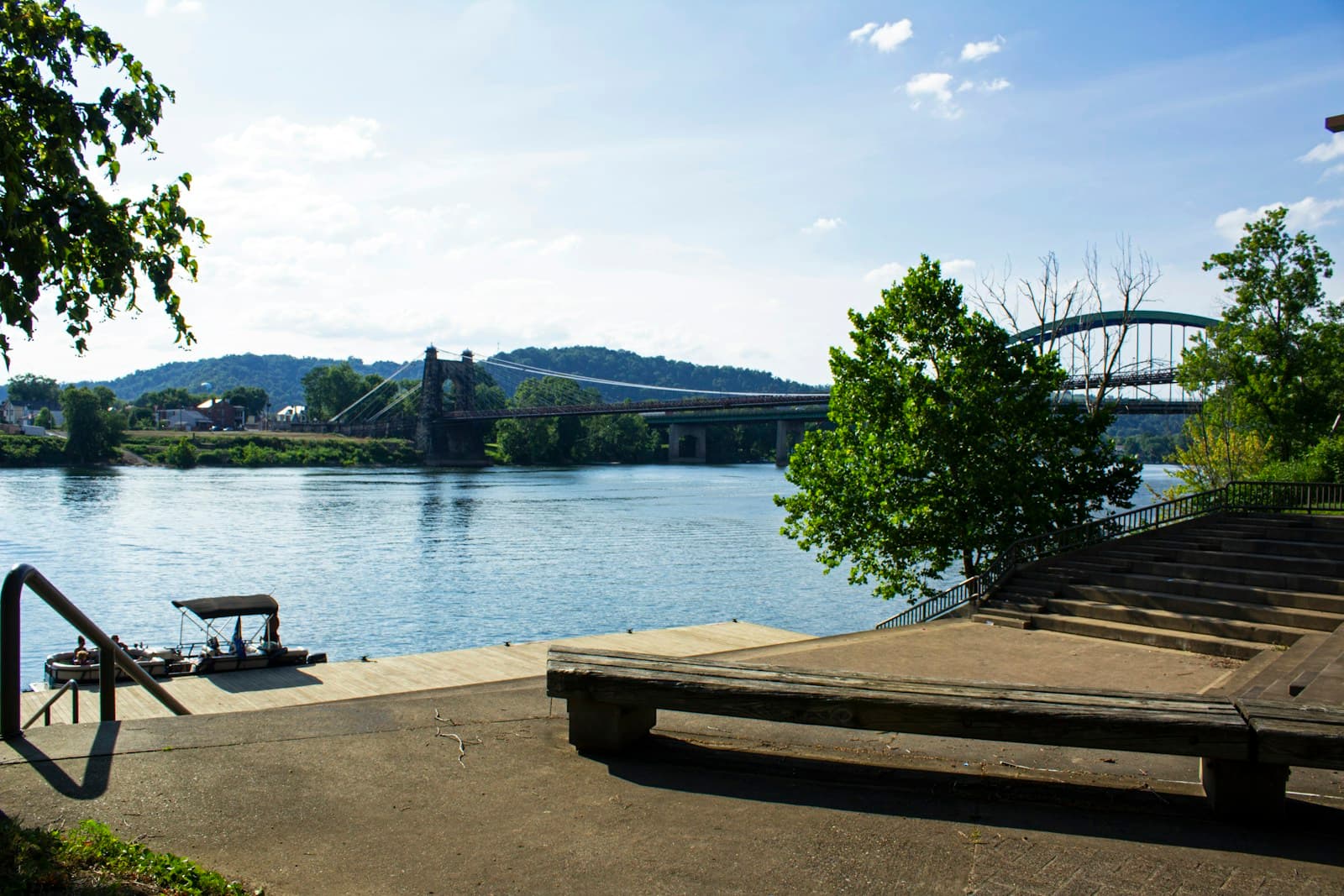
- Wheeling sits at the intersection of I-70 and the Fort Henry Bridge, creating concentrated commuter flow through a small urban core. First-time drivers often underestimate how rush-hour backups at bridge approaches increase rear-end collision frequency. This congestion, combined with Ohio commuters crossing state lines daily, pushes rates higher than West Virginia's rural counties.
- Wheeling's historic downtown features narrow one-way streets, parallel parking, and limited visibility at older intersections not designed for current traffic volumes. Vehicle theft and vandalism rates are elevated in the downtown corridor compared to hillside neighborhoods. Comprehensive coverage (which pays for theft, vandalism, and non-collision damage) becomes more relevant if you park on Market Street or near the riverfront regularly.
- Wheeling's steep topography creates winter driving challenges distinct from flatter West Virginia cities. Snow and ice on inclines lead to slide-offs and loss-of-control crashes, especially for drivers new to navigating hills in poor conditions. Collision coverage (which pays for damage to your car in an accident regardless of fault) protects you if you slide into a guardrail or parked car during a winter storm.
- Wheeling's location minutes from Ohio means higher exposure to cross-border commuters and traffic patterns. Insurers factor in regional claim frequency that includes the broader Ohio Valley corridor, not just Wheeling itself. This proximity elevates rates compared to isolated West Virginia cities even with similar populations.
Compare car insurance for first-time drivers
Rates are high for new drivers — but the right carrier and discounts can make a real difference.
Get Your Free QuoteCoverage Recommendations
Cost estimates are based on available industry data and vary by driver profile. These are not insurance quotes.
Liability Insurance
Critical on Wheeling's congested bridge approaches where rear-end collisions are common during commuter hours.
$65–$110/monthEstimated range only. Not a quote.
Full Coverage
Recommended for first-time drivers navigating Wheeling's tight downtown streets and winter hill conditions where accident risk is higher.
$145–$245/monthEstimated range only. Not a quote.
Comprehensive Coverage
More relevant if you park downtown near Market Street or the waterfront where vehicle break-ins occur more frequently than hillside neighborhoods.
$35–$60/monthEstimated range only. Not a quote.
Collision Coverage
Protects first-time drivers learning to handle Wheeling's steep hills in ice and snow, where slide-offs happen even to experienced locals.
$70–$115/monthEstimated range only. Not a quote.
Uninsured Motorist Coverage
West Virginia sees higher uninsured driver rates in small cities, and Wheeling's border location increases exposure to out-of-state drivers with varying coverage levels.
$25–$45/monthEstimated range only. Not a quote.