What Affects Rates in Twin Falls
- Blue Lakes Boulevard carries the majority of north-south traffic through Twin Falls, connecting I-84 exits to the canyon crossing and downtown core. First-time drivers using this corridor daily for work or college commutes see higher collision coverage costs because claim frequency is elevated along this route compared to residential neighborhoods like Morningside or Harrison. Insurers track accident data by zip code and commute route when calculating your premium.
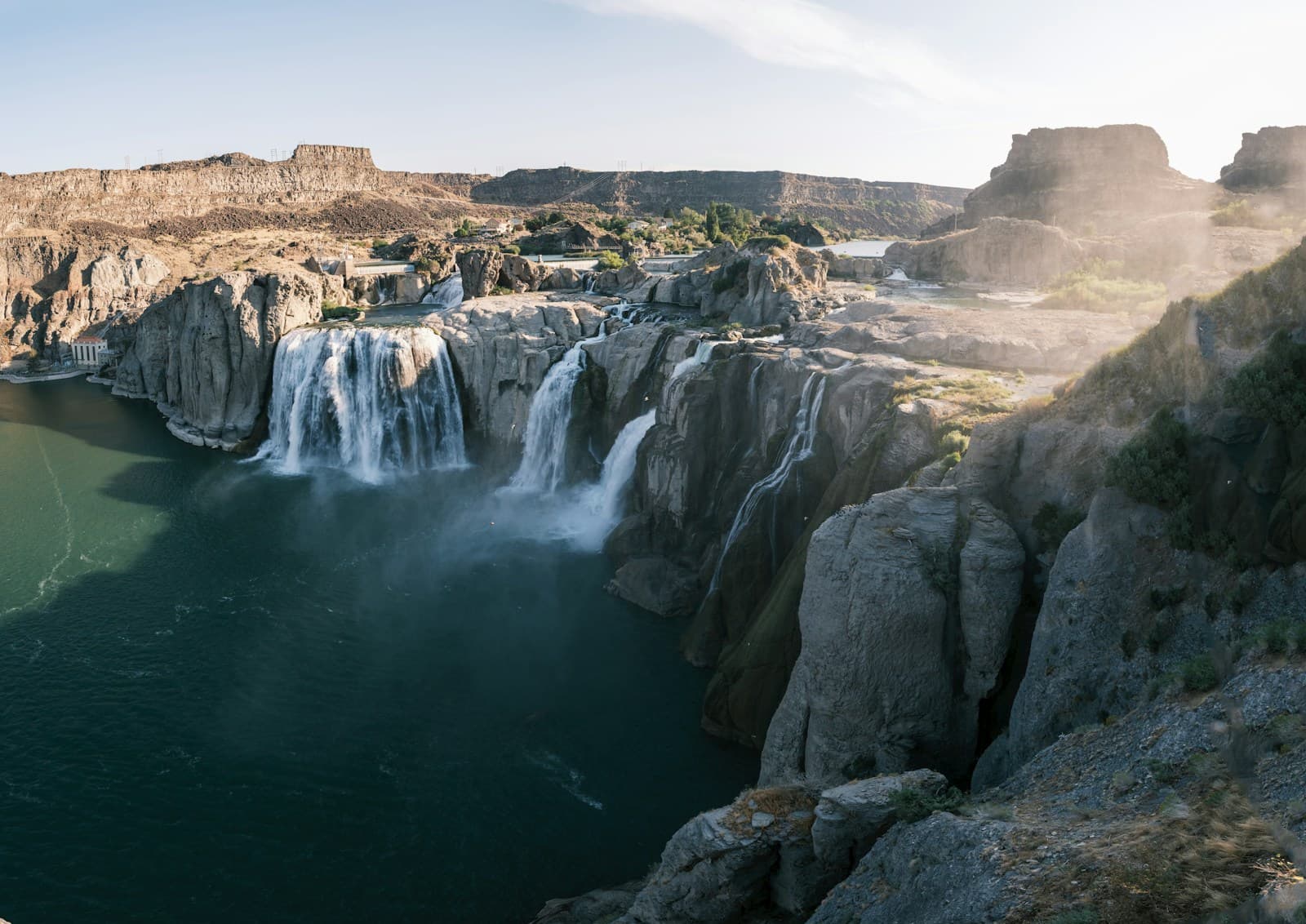
- The Perrine Bridge over the Snake River Canyon is the only crossing point for miles, creating a bottleneck during morning and evening commutes. Winter ice and wind gusts along the canyon rim increase accident risk from November through March. If you're a first-time driver crossing the bridge regularly, comprehensive coverage (which covers non-collision damage) and collision coverage both become more relevant because of these concentrated risk factors.
- CSI enrolls over 8,000 students, many of whom are first-time insurance buyers driving between campus on North College Road and downtown or residential areas. The concentration of young drivers in the 83301 zip code area affects base rates for anyone under 25. Parking lot incidents and inexperienced driver claims near campus create a measurable rate increase that appears in quotes for this area.
- Twin Falls sits in the heart of Idaho's Magic Valley agricultural region, meaning farm equipment regularly shares US-93 and county roads with passenger vehicles during planting and harvest seasons. First-time drivers unfamiliar with slow-moving equipment or wide loads face elevated collision risk on routes like Addison Avenue East and Kimberly Road. Liability insurance (which pays for damage you cause to others) becomes critical because collisions with agricultural equipment can result in expensive claims.
- Twin Falls averages 42 inches of snow annually, concentrated between December and February, with black ice common on canyon rim roads and bridges. First-time drivers without winter driving experience see higher comprehensive and collision claim rates during these months. Your deductible (the amount you pay before insurance covers the rest) matters more here because weather-related claims are predictable seasonal events, not rare occurrences.
Compare car insurance for first-time drivers
Rates are high for new drivers — but the right carrier and discounts can make a real difference.
Get Your Free QuoteCoverage Recommendations
Cost estimates are based on available industry data and vary by driver profile. These are not insurance quotes.
Liability Insurance
Critical on shared agricultural roads like Kimberly Road where collisions with farm equipment can generate expensive claims that exceed minimum coverage limits.
$45–$80/moEstimated range only. Not a quote.
Full Coverage
Recommended for first-time drivers crossing the Perrine Bridge daily or parking near CSI campus where collision and theft risk are elevated compared to residential neighborhoods.
$135–$225/moEstimated range only. Not a quote.
Comprehensive Coverage
Valuable in Twin Falls where winter ice damage and agricultural-area deer collisions on US-93 create predictable comprehensive claims each year.
$30–$55/moEstimated range only. Not a quote.
Collision Coverage
Particularly relevant on Blue Lakes Boulevard and canyon rim roads where traffic concentration and winter conditions increase fender-bender frequency for inexperienced drivers.
$65–$120/moEstimated range only. Not a quote.
Uninsured Motorist Coverage
Idaho has higher uninsured driver rates in agricultural areas surrounding Twin Falls, making this coverage relevant for routes beyond city limits.
$15–$30/moEstimated range only. Not a quote.