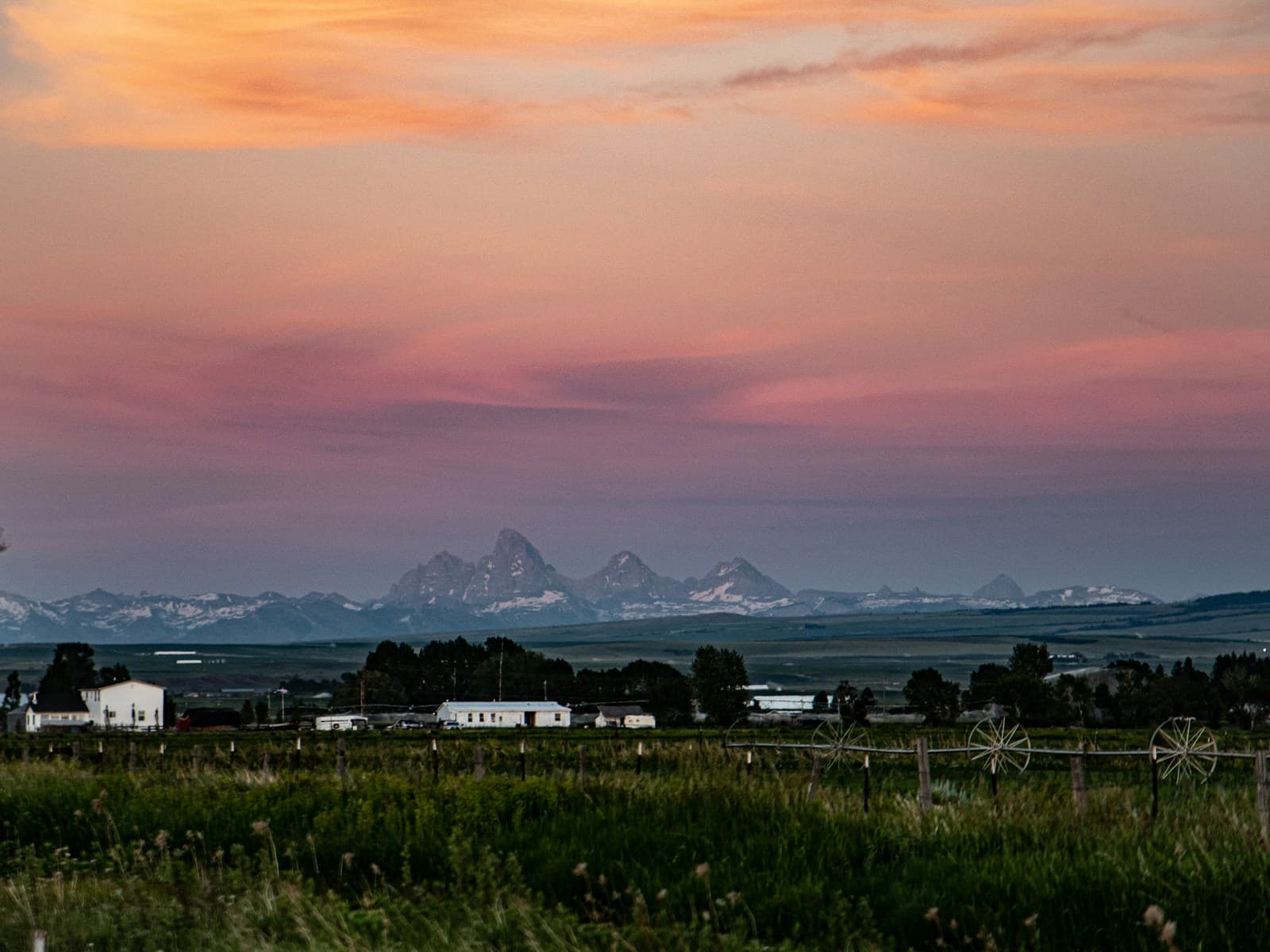
What Affects Rates in Idaho Falls
- Idaho Falls averages over 120 days with freezing temperatures and receives substantial snowfall between November and March. Black ice on the Broadway Bridge and along Sunnyside Road creates collision risks that make comprehensive coverage (which covers non-collision damage like hail) and collision coverage particularly important for new drivers. Insurers charge more here than in southern Idaho cities because winter claims are frequent and costly.
- US-20 west toward the Idaho National Laboratory carries thousands of daily commuters, creating morning and evening congestion unusual for a city this size. Higher traffic density along this corridor and at the I-15/US-20 interchange increases accident frequency, which raises liability insurance costs (the coverage that pays for damage you cause to others). If you commute to INL, expect insurers to ask about your annual mileage—higher miles mean higher rates.
- With Eastern Idaho Technical College and BYU-Idaho nearby in Rexburg, Idaho Falls has a significant population of drivers under 25. Statistically, young and first-time drivers cause more accidents, so insurers charge substantially more—often $140–$220/mo for full coverage compared to $95–$140/mo for experienced drivers. Living with parents and staying on their policy, if possible, usually costs less than buying your own until age 25.
- Rates vary across Idaho Falls based on theft and vandalism rates. Downtown and areas near Lindsay Boulevard typically see higher premiums than neighborhoods in Ammon or South Idaho Falls due to higher vehicle theft claims. When you get a quote, insurers use your exact garaging address—where you park overnight—to price your policy, so a few blocks can change your rate by $15–$30/mo.
- Eastern Idaho has higher uninsured motorist rates than the Boise metro area. Uninsured motorist coverage (which protects you if you're hit by someone without insurance) becomes especially important for first-time buyers who can't afford out-of-pocket costs after an accident. This optional coverage typically adds $8–$15/mo but covers medical bills and vehicle damage the at-fault driver can't pay.
Compare car insurance for first-time drivers
Rates are high for new drivers — but the right carrier and discounts can make a real difference.
Get Your Free QuoteCoverage Recommendations
Cost estimates are based on available industry data and vary by driver profile. These are not insurance quotes.
Liability Insurance
US-20 commute congestion and winter ice on Broadway make at-fault accidents common, so many Idaho Falls drivers choose 100/300/100 limits instead of state minimums.
$45–$85/moEstimated range only. Not a quote.
Full Coverage
Essential for financed vehicles and recommended for newer cars given Idaho Falls winter conditions—collision and comprehensive together typically cost $50–$95/mo beyond liability.
$95–$165/moEstimated range only. Not a quote.
Comprehensive Coverage
Idaho Falls sees hail storms in spring and early summer, and deer collisions are frequent on rural roads around the city, making this coverage valuable even for older paid-off vehicles.
$18–$35/moEstimated range only. Not a quote.
Uninsured Motorist Coverage
Eastern Idaho's higher uninsured driver rates make this optional coverage important for first-time buyers who lack savings to cover accident costs out-of-pocket.
$8–$15/moEstimated range only. Not a quote.
Collision Coverage
Winter ice and snow create frequent single-vehicle accidents on Idaho Falls roads—collision coverage with a $500 or $1,000 deductible protects you from repair bills that exceed your car's value.
$35–$70/moEstimated range only. Not a quote.