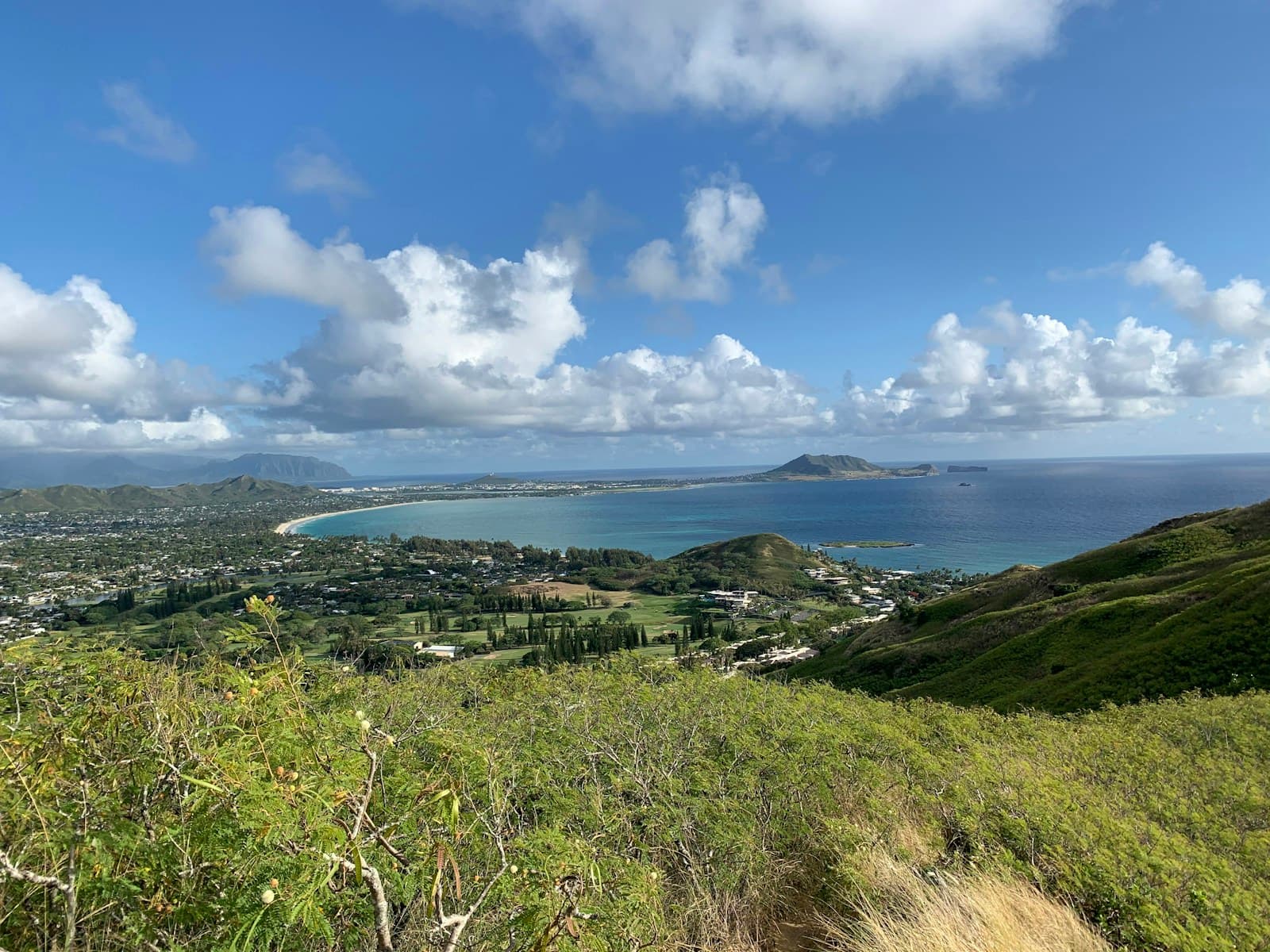
What Affects Rates in Kailua
- Most Kailua drivers commute to Honolulu via Pali Highway or Likelike Highway — narrow, winding two-lane routes with steep grades and frequent accidents during rain. These highways have no shoulders in many sections and limited escape routes, making collision coverage particularly relevant even for drivers with older vehicles. Morning fog and afternoon downpours create visibility challenges that contribute to higher accident rates than flat, urban routes.
- Kailua receives significantly more rain than Honolulu — often 75+ inches annually versus Honolulu's 17 inches — creating year-round wet road conditions. Comprehensive coverage (which covers non-collision damage like flood and wind) becomes more valuable here because parked cars face regular exposure to heavy rain, salt spray from ocean proximity, and occasional flash flooding in low-lying areas near Kawainui Marsh. Your deductible (the amount you pay before insurance kicks in) matters more when weather-related claims are frequent.
- Kailua Beach Park and Lanikai attract thousands of visitors weekly, creating crowded parking situations where door dings, shopping cart damage, and minor hit-and-runs are common. Comprehensive coverage protects against vandalism and theft, while collision coverage handles parking lot accidents regardless of fault. First-time drivers often underestimate how quickly minor damage accumulates in high-traffic beach parking areas.
- Unlike Honolulu, Kailua has minimal public transit, meaning most residents drive daily for work, shopping, and school. Higher annual mileage increases your exposure to accidents and often raises your premium (the monthly amount you pay for coverage). New drivers should report accurate mileage estimates — inflating commute distance to get lower rates can void coverage if you file a claim.
- Kailua High School and nearby neighborhoods have many teen and young adult drivers who typically face rates 2–3 times higher than drivers over 25 due to inexperience. Liability coverage (which pays for damage you cause to others) is legally required in Hawaii and typically the most expensive component for drivers under 25, because insurers view this group as higher risk for at-fault accidents.
Compare car insurance for first-time drivers
Rates are high for new drivers — but the right carrier and discounts can make a real difference.
Get Your Free QuoteCoverage Recommendations
Cost estimates are based on available industry data and vary by driver profile. These are not insurance quotes.
Liability Insurance
Essential for Kailua's Pali Highway commutes where multi-car pileups during rain can quickly exceed minimum coverage limits, leaving you personally responsible for the difference.
$95–$180/moEstimated range only. Not a quote.
Full Coverage
Recommended for Kailua drivers due to high rainfall causing hydroplaning accidents and salt air accelerating rust damage that comprehensive coverage addresses.
$180–$280/moEstimated range only. Not a quote.
Comprehensive Coverage
Particularly valuable in Kailua where flash flooding near Kawainui Marsh and frequent tropical storms create higher risk of weather-related vehicle damage than leeward communities.
$45–$75/moEstimated range only. Not a quote.
Collision Coverage
Critical for narrow Pali and Likelike highways where single-vehicle accidents (sliding off road, hitting barriers) are common during rain and you can't rely on another driver's insurance.
$70–$130/moEstimated range only. Not a quote.
Uninsured Motorist Coverage
Hawaii has moderate uninsured driver rates, and Kailua's tourist-heavy areas see occasional rental car accidents where coverage disputes delay payment.
$15–$30/moEstimated range only. Not a quote.