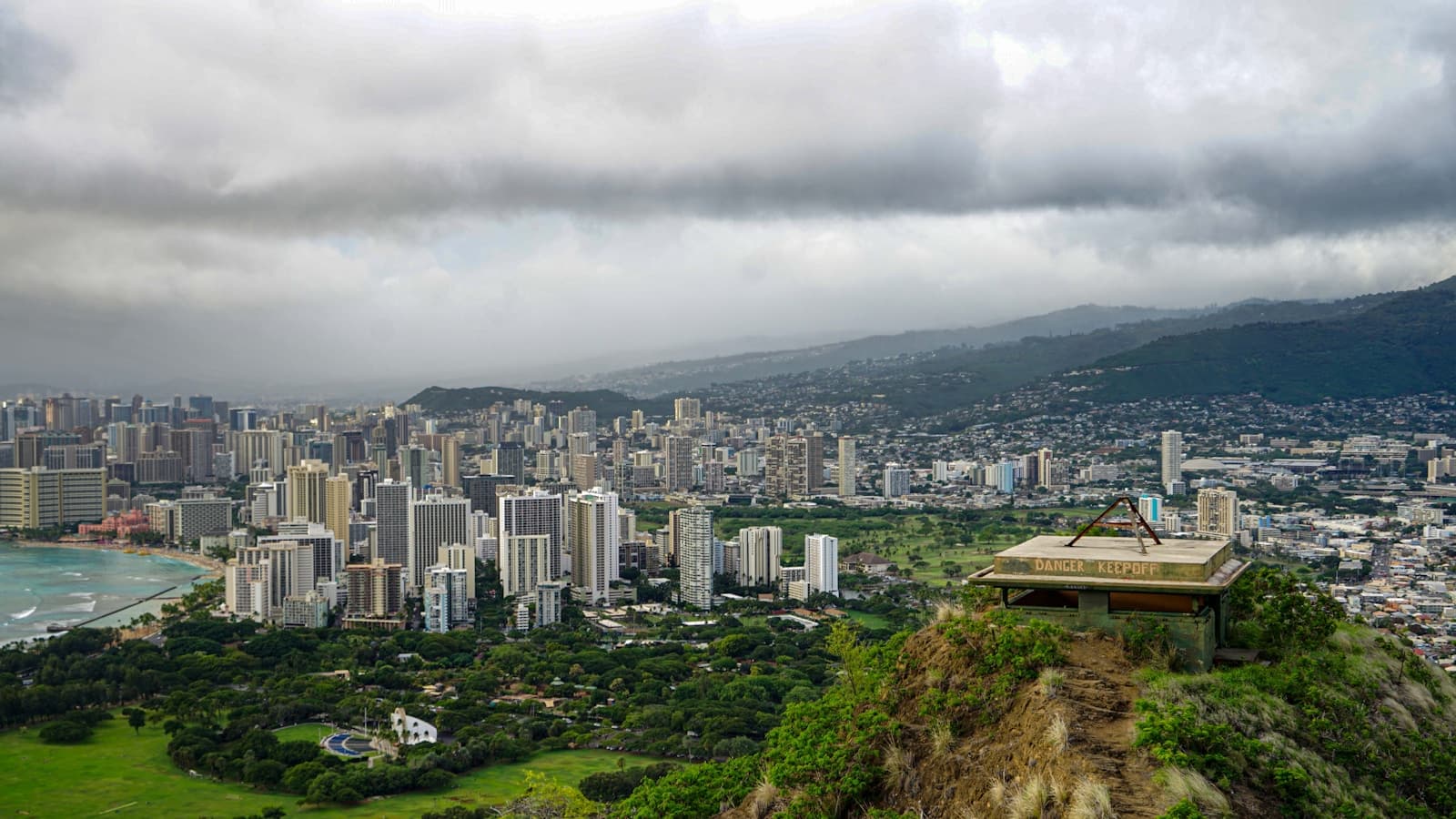
What Affects Rates in Honolulu
- The H-1 freeway is one of the nation's most congested routes, with stop-and-go traffic between Pearl City and downtown during morning and evening commutes. This density increases fender-bender frequency and comprehensive claims from parking lot incidents. If you commute daily on the H-1, insurers price in higher collision risk than drivers in less congested parts of the island.
- Honolulu consistently reports higher vehicle theft and break-in rates than the rest of Hawaii, particularly in urban neighborhoods like Kalihi, Chinatown, and near Ala Moana Center. Comprehensive coverage — which covers theft and vandalism — costs more here than in suburban areas like Kailua or Pearl City. For first-time buyers, this is the part of your policy that protects against non-collision damage.
- Heavy rains trigger flash flooding in low-lying neighborhoods near the Ala Wai Canal, Makiki, and parts of Manoa Valley, leading to water damage claims. Comprehensive coverage is essential if you park on the street or in areas with poor drainage. Deductibles — the amount you pay out-of-pocket before insurance kicks in — typically range from $500 to $1,000 for flood-related claims.
- Waikiki and the airport corridor see constant rental car traffic, which increases accident risk from unfamiliar drivers navigating narrow streets and crowded intersections. This contributes to higher collision and liability claim frequencies across the city. Liability coverage is what pays for damage you cause to others — Hawaii requires minimum limits, but first-time drivers should understand those minimums may not cover a serious accident.
- Insurers in Honolulu apply significant surcharges to drivers under 25 because statistically, younger drivers have higher accident rates. If you're a first-time buyer just off your parents' policy, expect rates 40-60% above what an experienced driver pays. The good news: rates drop as you build a clean driving record, usually decreasing noticeably after age 25 and again at 30.
Compare car insurance for first-time drivers
Rates are high for new drivers — but the right carrier and discounts can make a real difference.
Get Your Free QuoteCoverage Recommendations
Cost estimates are based on available industry data and vary by driver profile. These are not insurance quotes.
Liability Insurance
Honolulu's congested intersections and tourist-heavy corridors increase accident risk, making higher liability limits critical for first-time drivers navigating dense traffic.
$90-$180/monthEstimated range only. Not a quote.
Full Coverage
Essential in Honolulu given high vehicle theft rates in urban neighborhoods and flood risk near the Ala Wai Canal and Manoa Valley.
$180-$320/monthEstimated range only. Not a quote.
Comprehensive Coverage
Vehicle theft and break-ins are significantly more common in Honolulu than suburban areas, and flash flooding threatens cars parked in low-lying neighborhoods.
$60-$120/monthEstimated range only. Not a quote.
Collision Coverage
H-1 congestion and Waikiki's dense traffic increase fender-bender frequency, making collision coverage particularly valuable for first-time drivers still building defensive driving skills.
$80-$150/monthEstimated range only. Not a quote.
Uninsured Motorist Coverage
While Hawaii's uninsured rate is moderate, Honolulu's dense traffic and rental car presence increase the chance of accidents with drivers carrying minimal or out-of-state coverage.
$20-$50/monthEstimated range only. Not a quote.