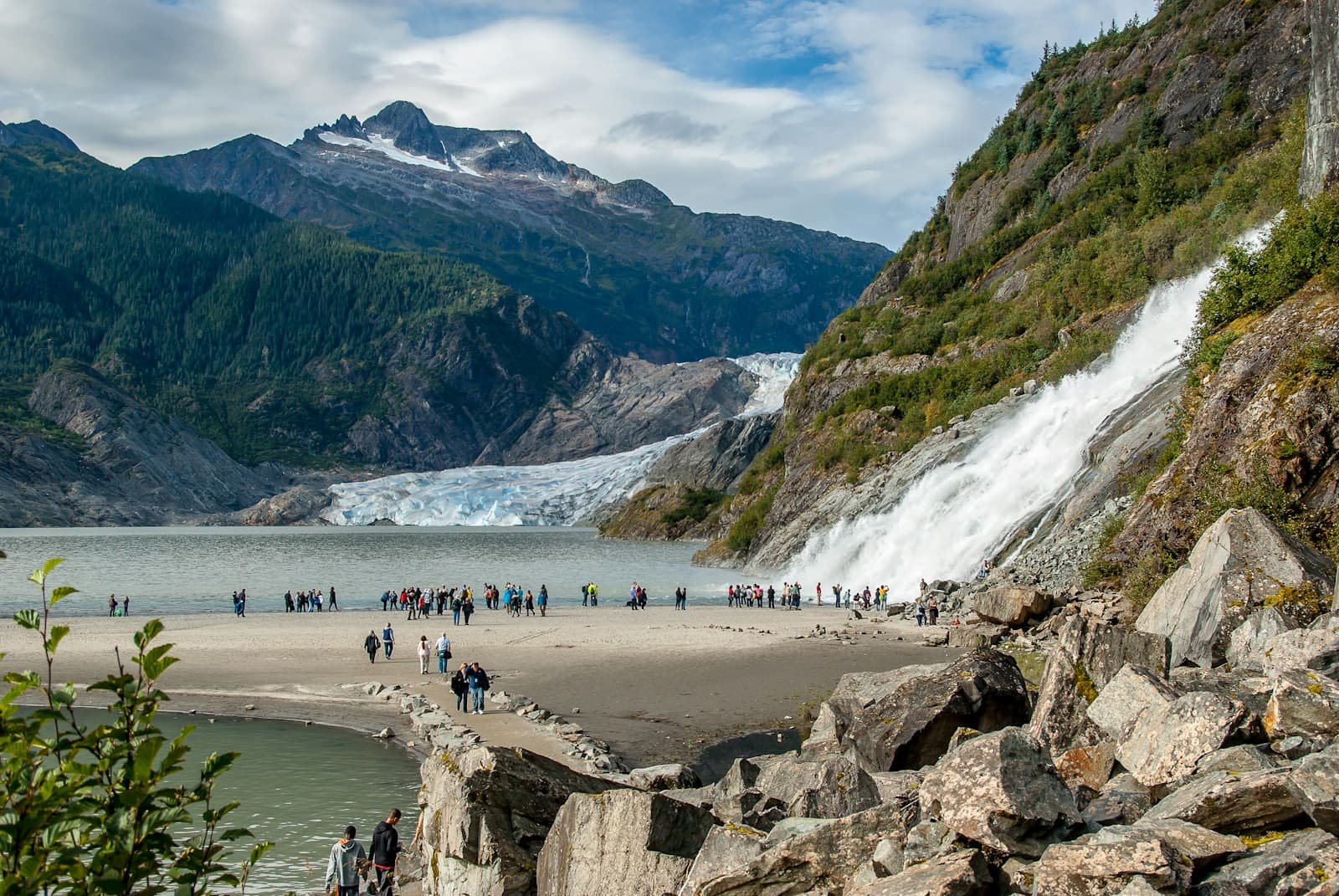
What Affects Rates in Juneau
- Juneau has no road connection to the rest of Alaska or North America. All vehicle parts must arrive by ferry or plane, extending repair timelines and costs. For young drivers filing claims, this can mean weeks without a vehicle and higher deductibles (the amount you pay before insurance kicks in) to offset insurer risk.
- Most commuters rely on Glacier Highway between downtown and the Mendenhall Valley, where heavy rain, black ice, and wildlife crossings create year-round hazards. Collision coverage (which pays to repair your car after an accident) is particularly valuable on this route, especially for inexperienced drivers navigating curves near Auke Bay. Winter months see frequent single-vehicle accidents on this corridor.
- With only a handful of certified body shops serving the entire Juneau area, insurers factor in higher labor costs and longer claim cycles. Comprehensive coverage (which pays for non-accident damage like vandalism, theft, or hitting a deer) becomes expensive here because even minor windshield damage from gravel trucks requires specialty glass shipped from Seattle.
- Juneau averages over 90 inches of rain annually, with heavy snowfall in higher elevations like Douglas Island. Young drivers learning on wet roads face steeper learning curves, and insurers price premiums accordingly. Comprehensive claims for weather-related damage — flood, fallen trees, ice dams — are common from October through March.
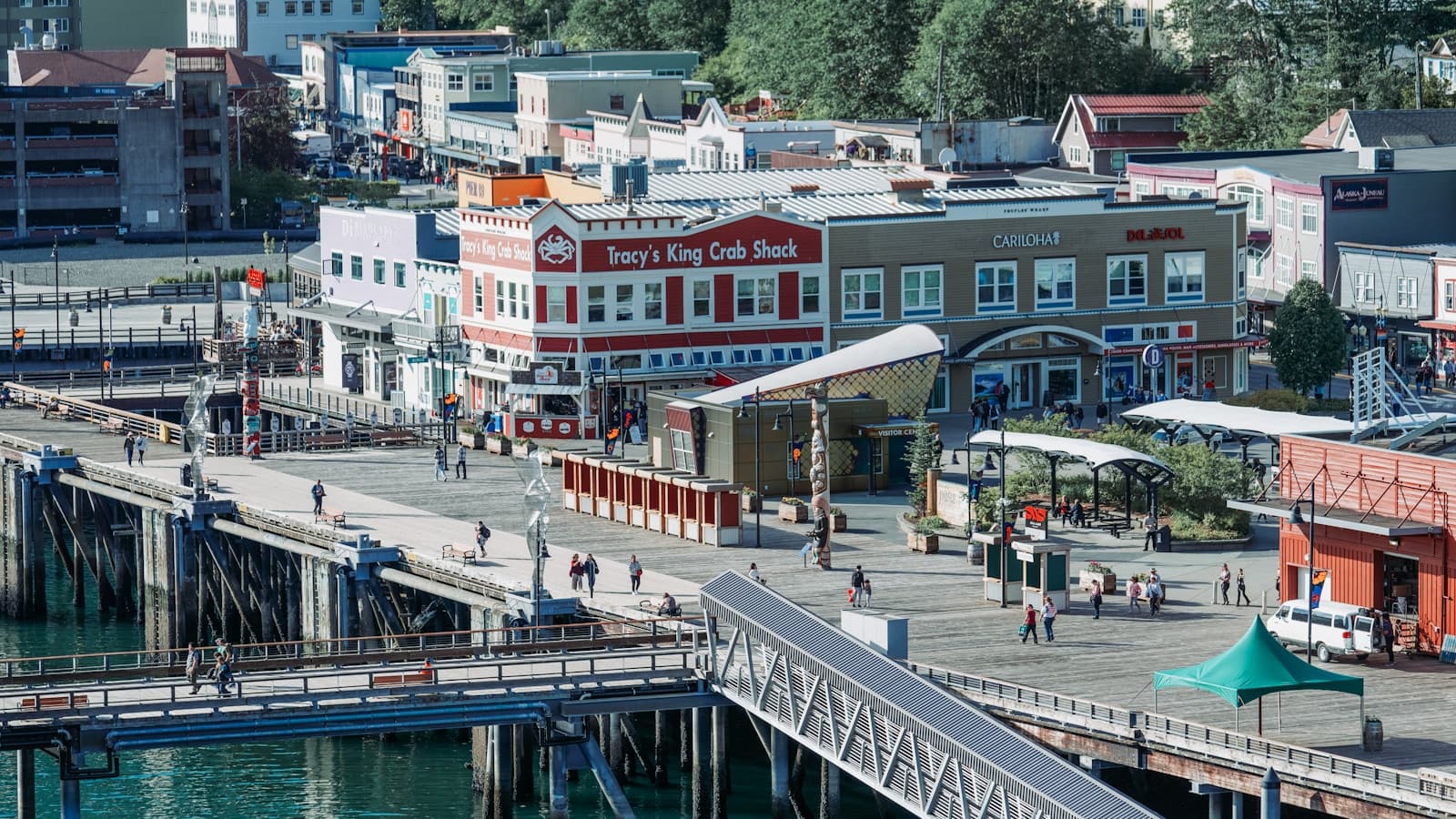
- Limited parking downtown and in the State Office Building area increases the risk of minor collision claims from tight lots and tourist-season congestion. First-time drivers parking near the cruise ship docks or Capitol area should consider collision coverage with a deductible they can afford, typically $500–$1,000.
Compare car insurance for first-time drivers
Rates are high for new drivers — but the right carrier and discounts can make a real difference.
Get Your Free QuoteCoverage Recommendations
Cost estimates are based on available industry data and vary by driver profile. These are not insurance quotes.
Liability Insurance
Essential on Glacier Highway where tourist traffic and narrow shoulders increase multi-vehicle collision risk, especially for inexperienced drivers.
$90–$150/moEstimated range only. Not a quote.
Full Coverage
Critical in Juneau where hitting a deer on Egan Drive or sliding on black ice are common first-year driver experiences.
$180–$280/moEstimated range only. Not a quote.
Comprehensive Coverage
Protects against Juneau's heavy rainfall, windstorms, and frequent wildlife encounters on North Douglas and out the road toward Echo Cove.
$60–$100/moEstimated range only. Not a quote.
Collision Coverage
Particularly valuable for new drivers learning winter handling on Glacier Highway's ice-prone curves near Auke Lake.
$80–$140/moEstimated range only. Not a quote.
Uninsured Motorist Coverage
Alaska does not require insurance to register a vehicle, making this coverage important in Juneau's smaller market where uninsured rates can be higher.
$30–$50/moEstimated range only. Not a quote.