What Connecticut Legally Requires
You're comparing quotes for your first Connecticut policy and every carrier shows the same base coverage you can't remove: bodily injury liability, property damage liability, and uninsured motorist coverage. The quote form won't let you uncheck uninsured motorist, and nothing on the screen explains why it's locked in.
Connecticut requires three coverage types to register a vehicle: $25,000 per person and $50,000 per accident in bodily injury liability, $25,000 in property damage liability, and uninsured motorist coverage at the same $25,000/$50,000 limits. The uninsured motorist requirement is mandatory, not optional, which distinguishes Connecticut from most states where it's offered but not required. These minimums satisfy the state's financial responsibility law, but understanding what each coverage actually pays for clarifies where the legal floor leaves exposure.
Compare car insurance for first-time drivers
Rates are high for new drivers — but the right carrier and discounts can make a real difference.
Get Your Free QuoteConnecticut Uninsured Motorists
11.8%
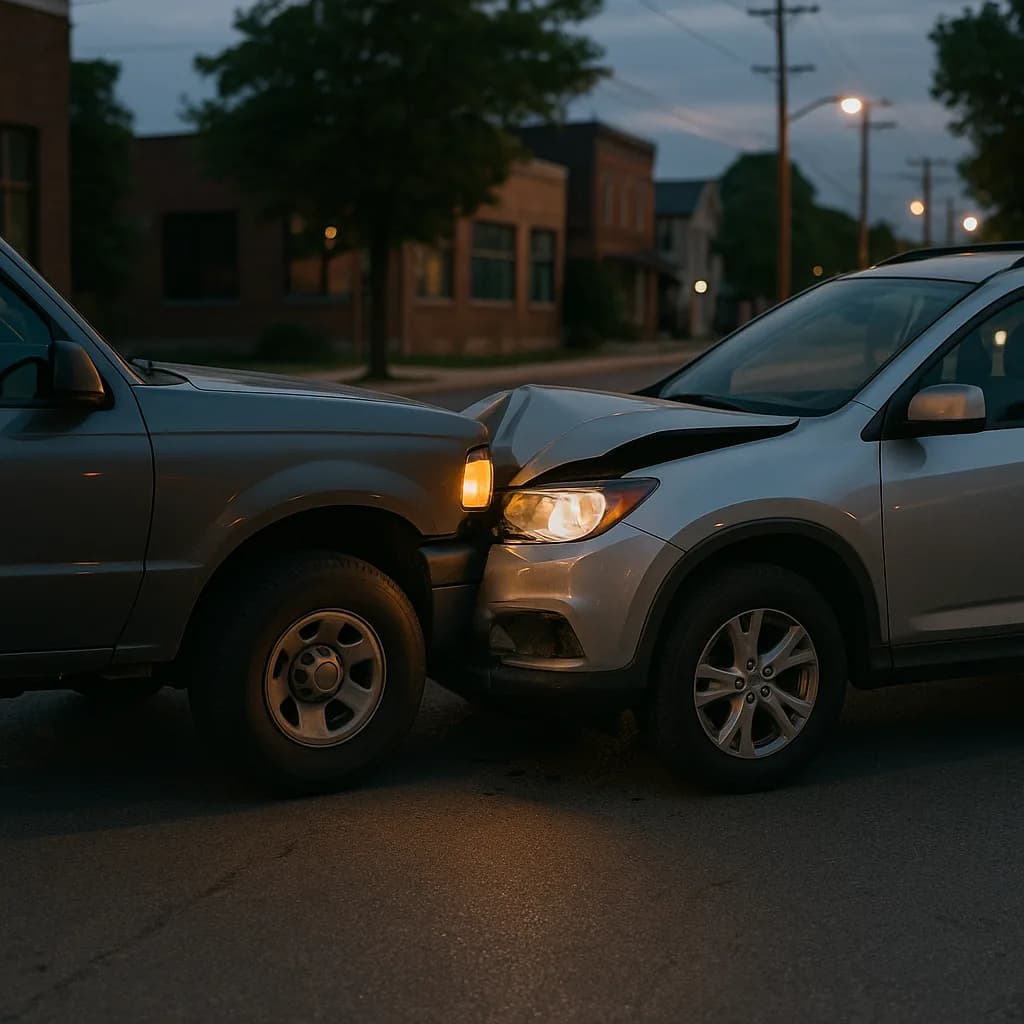
Nearly 12% of Connecticut drivers have no insurance, which means roughly one in nine vehicles on the road carries no coverage to pay for damage they cause. The mandatory uninsured motorist requirement exists because this percentage creates real collision exposure for drivers who carry only liability.
Insurance Research Council, 2023
What Each Required Coverage Actually Pays
Bodily injury liability pays medical bills, lost wages, and legal costs when you injure someone in an accident you caused. The $25,000 per-person limit covers one injured person's expenses up to that amount; the $50,000 per-accident limit is the total your policy pays when multiple people are hurt. If you rear-end someone and they need surgery, physical therapy, and miss two months of work, those costs add up quickly. A serious injury easily exceeds $25,000.
Property damage liability pays to repair or replace another person's vehicle or property when you're at fault. The $25,000 limit covers the other driver's car, a fence you hit, a guardrail, or any physical property you damage. Total a newer vehicle and the repair or replacement cost can exceed this limit, leaving you personally liable for the difference.
Uninsured motorist coverage pays your medical bills and lost wages when you're hit by a driver with no insurance. Connecticut requires this coverage at the same $25,000/$50,000 limits as bodily injury liability. It functions as a backup: if the at-fault driver has no policy, your uninsured motorist coverage steps in to pay your injury expenses up to the limit. Without it, you'd be left filing a lawsuit against someone who likely has no assets to collect from.
The $25,000 per-person bodily injury limit barely covers one emergency room visit, imaging, and follow-up care for a moderate injury. You're legally compliant at the minimum, but medically underinsured.
Where the State Minimums Leave Gaps
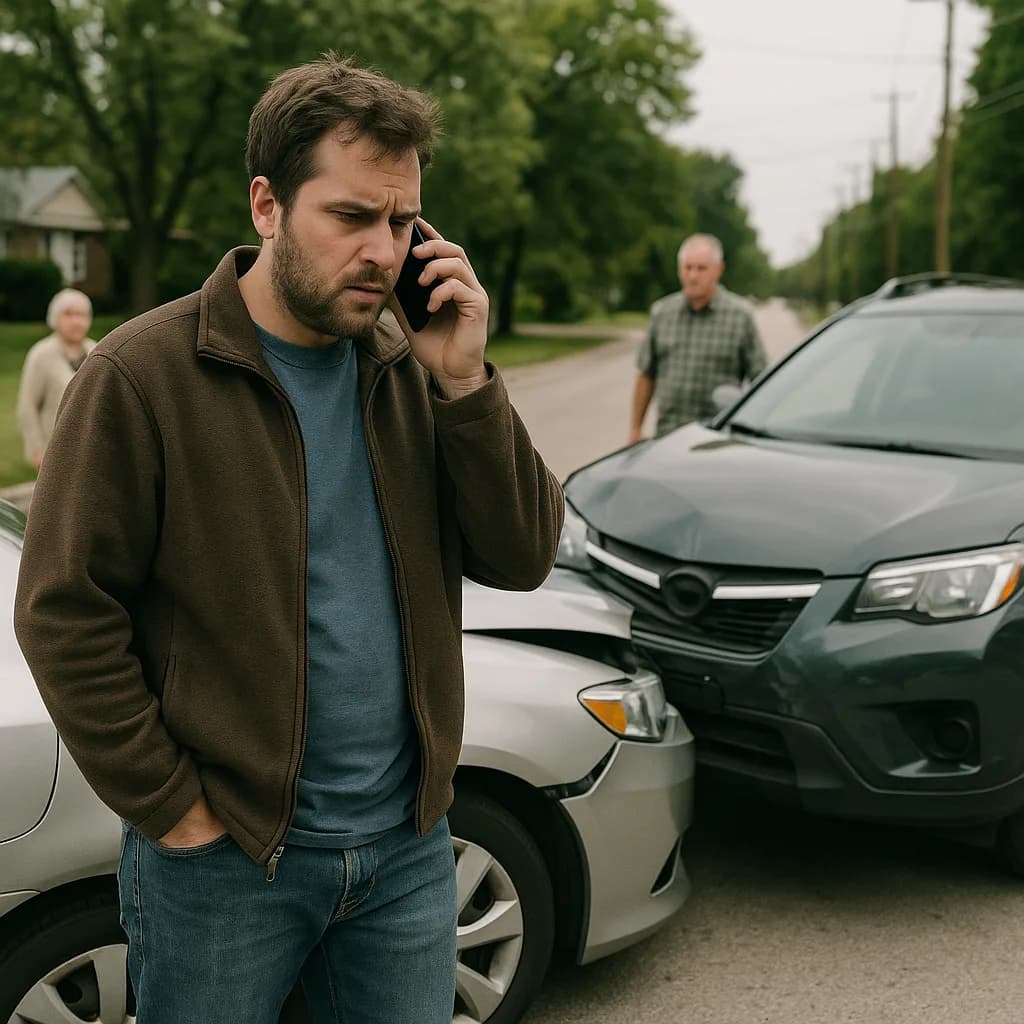
The bodily injury limit of $25,000 per person doesn't align with actual medical costs. A single ER visit, CT scan, and overnight observation can run $15,000 to $20,000 before any surgery or extended treatment. If you cause an accident that seriously injures someone, their medical bills and lost income will exceed $25,000, and you're personally liable for the remainder. Connecticut allows injured parties to sue for amounts above your policy limit, and a judgment follows you for years.
The uninsured motorist limit mirrors the bodily injury minimum, which means you're protected only up to $25,000 per person when hit by an uninsured driver. If your own injuries exceed that amount, you pay out of pocket or negotiate payment plans with hospitals. For a driver in their first year of independent coverage with no emergency fund built yet, a $40,000 injury bill after being hit by someone with no insurance creates immediate financial crisis.
Related Articles



How Lenders Change the Coverage Floor
If you financed or leased your car, the lender requires comprehensive and collision coverage in addition to Connecticut's state minimums. Comprehensive pays to repair or replace your car when it's damaged by something other than a collision: theft, vandalism, hail, fire, or hitting an animal. Collision pays to repair your car when you hit another vehicle, a guardrail, or roll the vehicle, regardless of fault.
Lenders require these coverages because the car secures the loan. If the car is totaled and you have no collision coverage, you still owe the full loan balance with no vehicle. The lender typically caps your deductible, often at $500 or $1,000; check your finance contract for the specific limit. Once the loan is paid off, comprehensive and collision become optional, and you decide based on the car's value and your ability to replace it out of pocket.
If you own your car outright, comprehensive and collision are optional from day one. The decision comes down to the car's value and your financial position. A $3,000 car with a $500 deductible and $80/month in collision premiums costs nearly as much to insure as the car is worth over two years. A $15,000 car you can't afford to replace makes collision coverage a structural necessity even when the state doesn't require it.
Carriers Writing Connecticut
25
At least 25 carriers write auto insurance in Connecticut, including standard-market carriers like State Farm, Geico, and Progressive, preferred-tier carriers like Amica and USAA, and non-standard carriers like The General and Dairyland. Most offer online quoting; a few require phone contact or broker placement.
Connecticut Insurance Department licensure records
Comparing Carriers on Coverage Fit
Carriers price the same coverage differently for first-time drivers, and the gap between the cheapest and most expensive quote for identical limits can exceed 100%. The state minimum is the floor every carrier must offer, but how they price it, what discounts they extend to drivers with thin history, and whether they offer telematics programs varies widely.
Request quotes at the state minimum first, then compare the cost to increase bodily injury liability to $50,000/$100,000 and uninsured motorist to match. The incremental cost from minimum to $50,000/$100,000 is often $15 to $30 per month, a smaller percentage increase than most first-time drivers expect. Some carriers price higher limits more favorably for young drivers because the risk pool at higher limits includes fewer high-risk drivers.
Telematics programs let you earn a discount based on actual driving behavior: mileage, hard braking, speed, and time of day. For a first-time driver with no claims history and no prior-insurance discount, telematics is one of the few levers you control immediately. Programs like Progressive's Snapshot, State Farm's Drive Safe & Save, and Geico's DriveEasy offer upfront participation discounts of 5% to 15%, with potential total discounts reaching 30% after the monitoring period. Enrollment locks you in for six months, so compare the telematics discount against your ability to shop at renewal.
Connecticut-Specific Compliance Details
Connecticut monitors insurance compliance electronically through the Online Insurance Verification System under state statute §14-112a. When your policy lapses or cancels, the carrier reports it to the DMV, and the DMV can suspend your registration immediately. You don't receive a grace period; the suspension is automatic.
If your license is suspended for a lapse, reinstatement requires proof of current insurance, payment of a $175 reinstatement fee, and a 10-business-day processing window. The lapse also starts a coverage-gap record that surfaces in future quotes. Carriers price continuous coverage as a rating factor, and even a short gap increases your premium at every renewal for the next three to five years. The removal date from a parent's policy and the effective date of your new policy must touch; a single day of gap triggers the same lapse consequences as a month-long gap.
Next Step
Request quotes from at least three carriers at Connecticut's required minimums, then compare the incremental cost to increase bodily injury and uninsured motorist limits to $50,000/$100,000. The state minimum satisfies registration, but the coverage gap between legal compliance and actual protection is structural, not theoretical. Ask each carrier about telematics enrollment, good student discounts if you're in school, and whether they offer a discount for completing a defensive driving course. Verify that your new policy's effective date meets or precedes any removal date from a parent's policy to avoid creating a lapse record that follows you into every future quote.