What Affects Rates in Arlington
- I-66 carries over 150,000 vehicles daily through Arlington, with stop-and-go conditions during morning and evening rush hours. Rear-end collisions and lane-change accidents are common, particularly near the Rosslyn exits and Ballston interchanges. First-time drivers navigating this corridor during peak hours face higher collision risk, which insurers factor into premiums.
- Arlington's 11 Metro stations—including Rosslyn, Ballston, Clarendon, and Pentagon City—attract concentrated parking that creates opportunities for vehicle break-ins and catalytic converter theft. Comprehensive coverage (which covers theft and vandalism) costs more in Arlington than suburban Virginia markets because claim frequency is higher near transit hubs. If you park regularly at a Metro station, comprehensive coverage becomes essential.
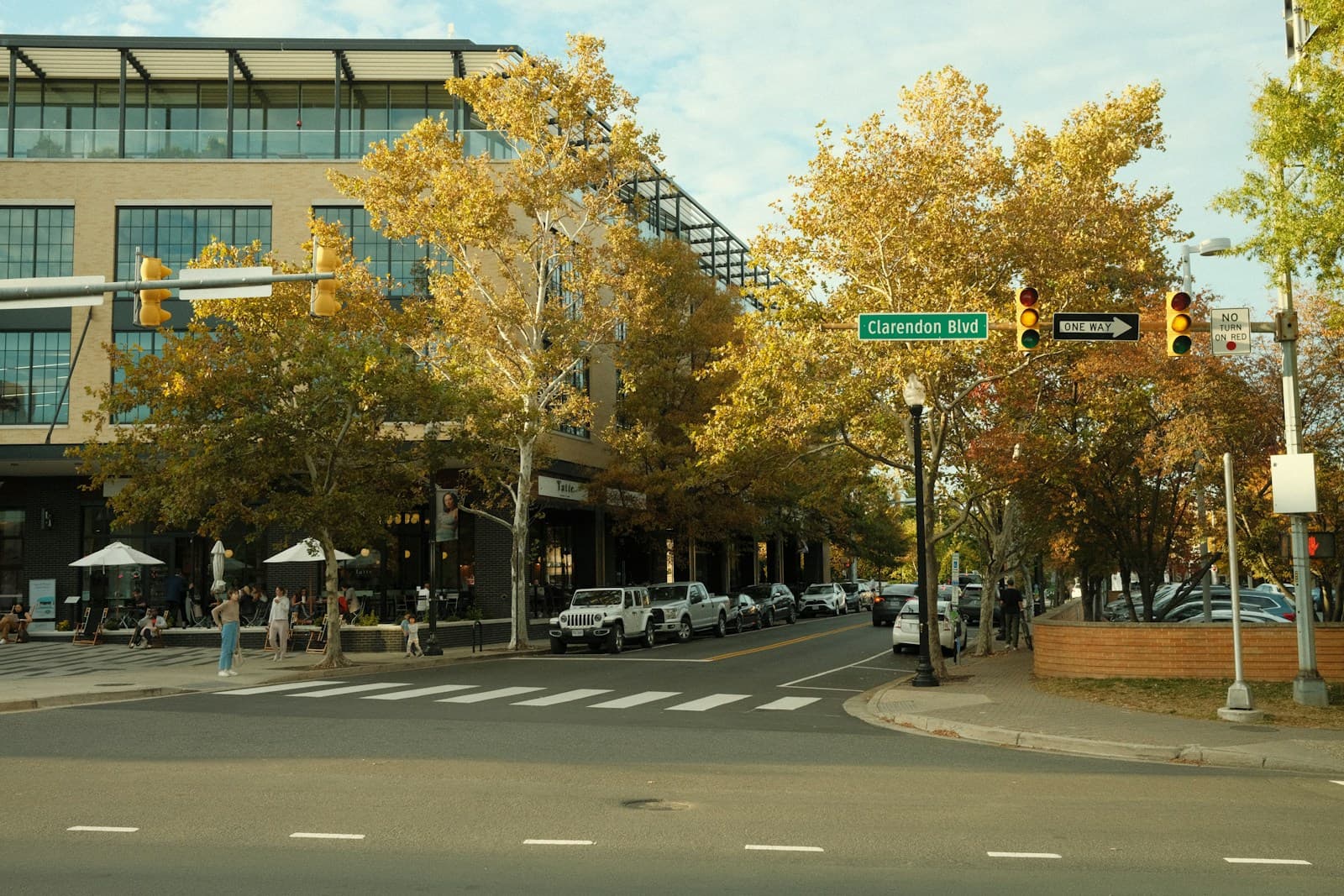
- Rosslyn, Ballston, Courthouse, and Crystal City pack residential towers, office buildings, and retail into compact blocks with tight parking and constant pedestrian activity. New drivers unfamiliar with parallel parking, garage navigation, and pedestrian crossings face higher minor accident rates in these neighborhoods. Insurers use your home ZIP code to assess density-related risk, which raises rates across all of Arlington's urban core.
- Route 50 (Arlington Boulevard) and Lee Highway run east-west through the county with frequent traffic lights, left-turn conflicts, and mixed commercial access points. These arterials see steady accident rates during weekday commutes and weekend shopping traffic. First-time drivers often misjudge turning gaps and following distances on these roads, contributing to higher claim rates.
- Drivers under 25 and those with less than three years of licensed driving history pay the highest rates in Arlington because insurers view inexperience as the single strongest predictor of claims. In dense urban markets like Arlington, the penalty is steeper—expect to pay 40–60% more than a driver over 25 with a clean record. Rates typically drop significantly after age 25 or three claim-free years.
Compare car insurance for first-time drivers
Rates are high for new drivers — but the right carrier and discounts can make a real difference.
Get Your Free QuoteCoverage Recommendations
Cost estimates are based on available industry data and vary by driver profile. These are not insurance quotes.
Liability Insurance
Virginia requires 25/50/20 minimums, but Arlington's heavy pedestrian traffic and congested intersections make higher limits (100/300/100) worth considering for first-time drivers.
$95–180/monthEstimated range only. Not a quote.
Full Coverage
Essential if you're financing a vehicle or parking near Metro stations—comprehensive claims for catalytic converter theft are common in Rosslyn, Ballston, and Pentagon City areas.
$180–310/monthEstimated range only. Not a quote.
Comprehensive Coverage
Arlington's Metro parking lots and street parking zones see frequent break-ins and converter thefts—comprehensive is critical if you park outdoors regularly.
$40–75/monthEstimated range only. Not a quote.
Collision Coverage
I-66 and Route 50 see high rear-end and lane-change collision rates during rush hours—collision coverage protects first-time drivers navigating congested Arlington roads.
$90–160/monthEstimated range only. Not a quote.
Uninsured Motorist Coverage
Virginia allows uninsured drivers to pay a $500 annual fee instead of carrying insurance, creating exposure on Arlington roads—this coverage fills that gap.
$15–35/monthEstimated range only. Not a quote.