What Affects Rates in Dallas
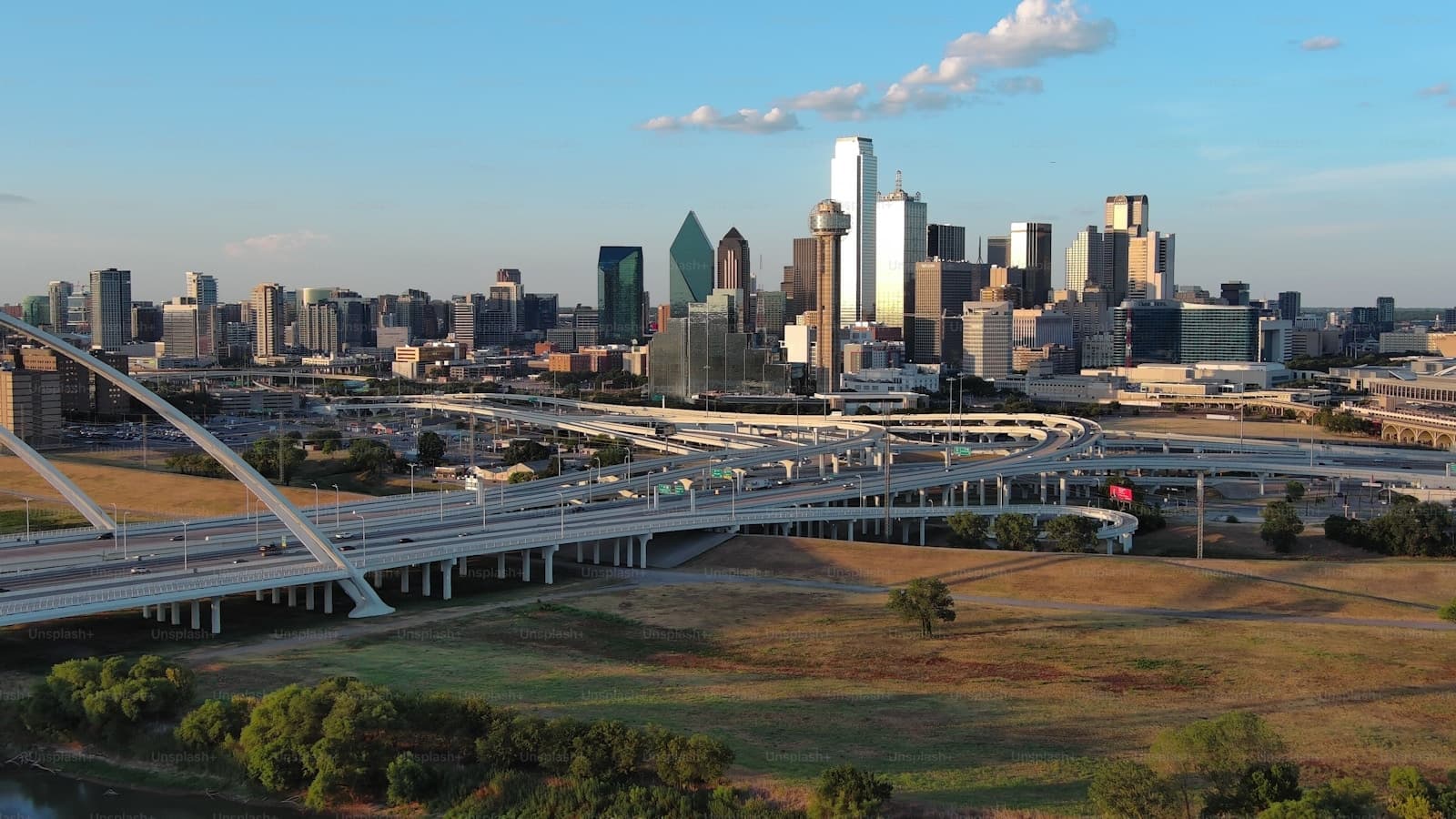
- The I-35E corridor through Downtown Dallas and the LBJ Freeway (I-635) loop see some of the highest collision frequencies in Texas, particularly during rush hours. First-time drivers commuting from suburbs like Richardson or Mesquite into the city face higher comprehensive and collision premiums because insurers price based on where your car is garaged and where you drive most often. Living near high-traffic interchanges like the I-35E/I-635 mixmaster increases your rate even if you're a cautious driver, because zip code collision data heavily influences pricing.
- Dallas sits in a hail belt that produces damaging storms nearly every spring, with particularly severe events in 2024 and 2025 that caused hundreds of millions in vehicle claims. Comprehensive coverage (which covers hail damage, theft, and vandalism) costs more here than in South Texas cities because of this predictable risk. If you're financing a car, your lender requires comprehensive coverage, and you'll see that reflected in higher monthly premiums — typically adding $50–$90/month for a first-time driver compared to liability-only.
- Certain Dallas neighborhoods — particularly parts of East Dallas, Oak Cliff, and areas near Love Field — show elevated vehicle theft and break-in rates that insurers incorporate into zip code pricing. If you're garaged in a higher-theft area, expect your comprehensive premium to increase even if you've never filed a claim. Parking in a locked garage versus street parking can sometimes qualify you for a small discount, which matters more in Dallas than in lower-crime suburban cities.
- Texas allows insurers to charge significantly higher rates for drivers under 25 or those without a prior policy history — and Dallas carriers use this pricing power aggressively in urban markets. If you're 22 and buying your first policy off your parents' coverage, your rate will be 60–100% higher than a 30-year-old with the same car and clean record. The gap narrows each year you stay claim-free, but expect the first year to be expensive regardless of how carefully you drive.
- Dallas County has a higher percentage of uninsured drivers than suburban counties — some estimates put it near 15–18% on certain corridors. This increases the importance of uninsured motorist coverage (which pays your costs if you're hit by someone without insurance), and insurers price that risk into base rates. For first-time drivers, this coverage is often inexpensive to add but critical given the odds of encountering an uninsured driver on I-30 or R.L. Thornton Freeway.

Compare car insurance for first-time drivers
Rates are high for new drivers — but the right carrier and discounts can make a real difference.
Get Your Free QuoteCoverage Recommendations
Cost estimates are based on available industry data and vary by driver profile. These are not insurance quotes.
Liability Insurance
Dallas's dense traffic on I-35E and Central Expressway increases collision risk, making higher liability limits (100/300/100) a smart choice for first-time drivers to protect future assets.
$85–$150/moEstimated range only. Not a quote.
Full Coverage
Full coverage in Dallas costs more than most Texas cities due to predictable hail damage every spring and higher theft rates in neighborhoods near Downtown and East Dallas.
$185–$310/moEstimated range only. Not a quote.
Comprehensive Coverage
Comprehensive is especially valuable in Dallas given near-annual hailstorms that caused over $400 million in vehicle damage in recent years; deductibles of $500–$1,000 are common.
$60–$110/moEstimated range only. Not a quote.
Collision Coverage
High collision frequencies on I-635 and I-30 make this coverage expensive for first-time Dallas drivers, but essential if you're financing a vehicle or drive daily in rush-hour traffic.
$90–$140/moEstimated range only. Not a quote.
Uninsured Motorist Coverage
Dallas County's estimated 15–18% uninsured driver rate makes this coverage critical — it's inexpensive to add and covers your medical bills and car damage when the at-fault driver can't pay.
$20–$40/moEstimated range only. Not a quote.