What Affects Rates in Arlington
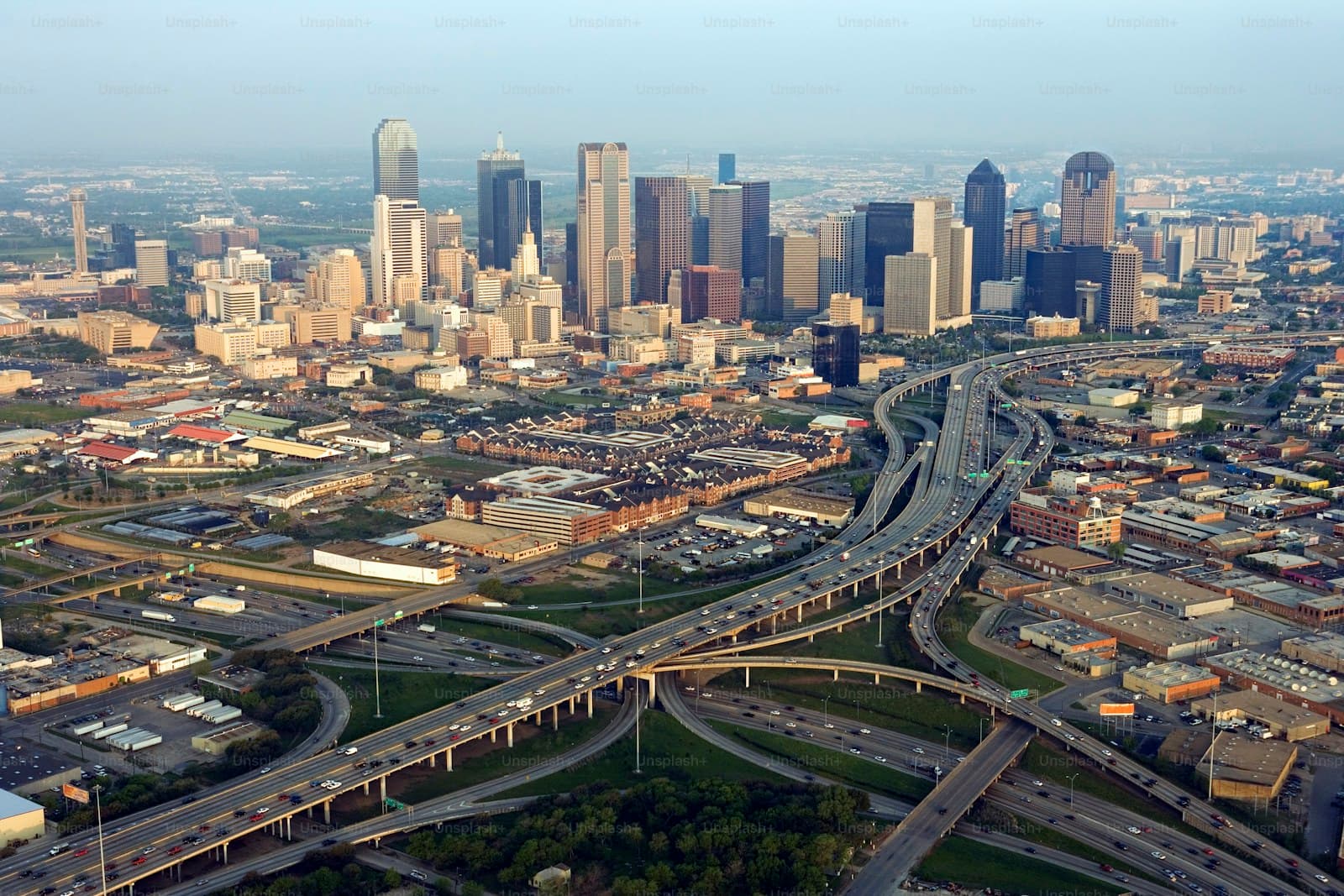
- Arlington's insurance rates are shaped by its location on two of North Texas's busiest highways. I-30 runs east-west through the city center, carrying DFW commuters through congested interchanges near Six Flags and the stadiums. I-20 curves along the southern edge, and State Highway 360 runs north-south, creating multiple high-speed merge zones where new drivers frequently file claims.
- Arlington is the largest U.S. city without a public transportation system, so every trip requires driving. This means young drivers here log more miles annually than peers in Dallas or Fort Worth who can use DART or Trinity Metro. Higher annual mileage directly increases collision risk and raises premiums for drivers under 25.
- Game days at AT&T Stadium and Globe Life Field create massive traffic surges in the Entertainment District along Randol Mill Road and Collins Street. If you live or commute near Arlington Highlands or the Parks Mall area, insurers factor these periodic congestion spikes into your risk profile, especially for newer drivers unfamiliar with navigating event crowds.
- Arlington sits in North Texas's hail belt, with spring storms frequently producing golf ball-sized hail along the I-30 corridor. Comprehensive coverage (the part of your policy that covers hail damage) is essential here, but your deductible choice matters—a $500 deductible means you pay the first $500 of repair costs before insurance covers the rest.
- The Arlington-Fort Worth area has higher uninsured motorist rates than suburban Plano or Frisco. Uninsured motorist coverage (UM) protects you if someone without insurance hits you, which is particularly important for first-time buyers who can't afford out-of-pocket repair costs after a not-at-fault accident.
Compare car insurance for first-time drivers
Rates are high for new drivers — but the right carrier and discounts can make a real difference.
Get Your Free QuoteCoverage Recommendations
Cost estimates are based on available industry data and vary by driver profile. These are not insurance quotes.
Liability Insurance
Essential on Arlington's high-speed highways where a single I-30 accident can involve multiple vehicles and exceed minimum limits quickly.
$85–$180/monthEstimated range only. Not a quote.
Full Coverage
Strongly recommended for Arlington drivers due to frequent hail events and higher theft rates near apartment complexes along Cooper Street and Matlock Road.
$180–$320/monthEstimated range only. Not a quote.
Comprehensive Coverage
Critical in Arlington's hail belt—spring storms regularly damage thousands of vehicles parked at apartments, stadiums, and shopping centers.
$45–$90/monthEstimated range only. Not a quote.
Uninsured Motorist Coverage
Recommended for first-time Arlington drivers given the city's higher uninsured rate compared to northern DFW suburbs.
$30–$65/monthEstimated range only. Not a quote.
Collision Coverage
Valuable for newer drivers navigating Arlington's congested highway interchanges at I-30/360 and I-20/Cooper where fender-benders are common.
$90–$170/monthEstimated range only. Not a quote.