What Affects Rates in Spartanburg
- The I-85 stretch through Spartanburg sees heavy commercial and commuter traffic between Charlotte and Atlanta, with frequent congestion near the I-26 interchange and Exit 72. Accident rates along this corridor are consistently higher than state rural highways, which insurers factor into premiums for anyone with a Spartanburg ZIP code. If you're commuting daily on I-85 for work or school, expect quotes to reflect that exposure.
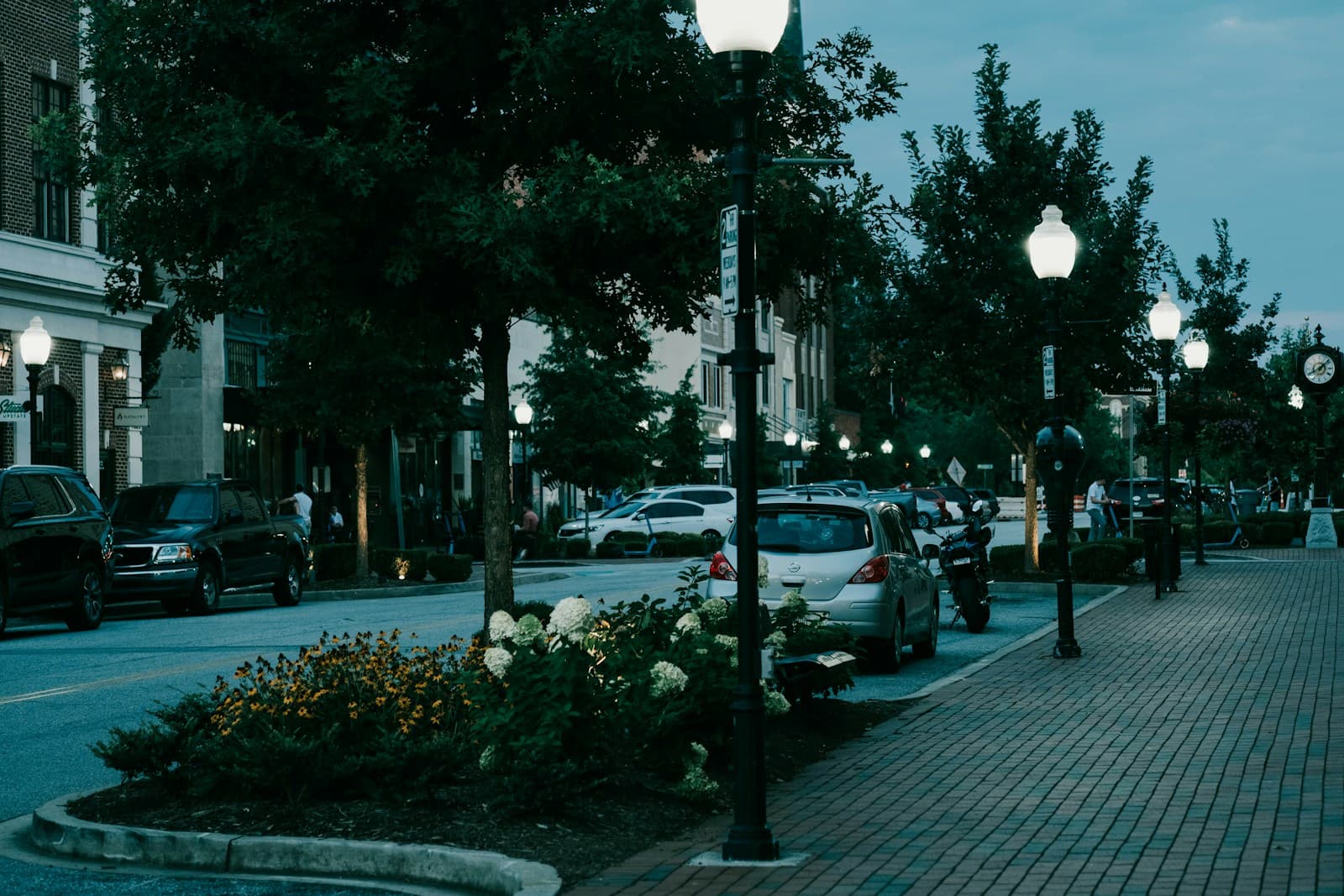
- Downtown Spartanburg and neighborhoods around Wofford College and USC Upstate see higher rates of vehicle break-ins and minor collision claims from street parking and student driver activity. Young drivers living or parking regularly in these areas will see comprehensive coverage costs (the part that covers theft and vandalism) priced higher than suburban Boiling Springs or Moore. Secure parking can genuinely lower your quote.
- Many Spartanburg residents commute from suburban areas along Highway 9, Highway 221, and into Greenville via I-85, adding 20–40 miles daily. Your annual mileage directly affects your premium—insurers ask during quoting because higher mileage means more exposure. If you're driving from Duncan or Chesnee into Spartanburg for work or college, that's a cost factor even if those areas themselves are lower-risk.
- Spartanburg sees ice storms and freezing rain in winter that make elevated roads and overpasses particularly hazardous, with I-26 near Inman seeing regular winter accidents. Summer thunderstorms bring hail risk, especially in western neighborhoods. Comprehensive coverage (which covers weather damage like hail) becomes relevant here—it's optional by law but may be required if you have a car loan.

Compare car insurance for first-time drivers
Rates are high for new drivers — but the right carrier and discounts can make a real difference.
Get Your Free QuoteCoverage Recommendations
Cost estimates are based on available industry data and vary by driver profile. These are not insurance quotes.
Liability Insurance
Critical on I-85 and I-26 where multi-vehicle accidents are common and medical costs from serious crashes can exceed minimum state limits quickly.
$95–$145/moEstimated range only. Not a quote.
Full Coverage
Recommended for first-time drivers financing vehicles or parking downtown where theft and collision risks are both elevated.
$210–$340/moEstimated range only. Not a quote.
Comprehensive Coverage
Spartanburg sees regular hail events and higher property crime near downtown and campus areas, making this coverage particularly relevant for street-parked vehicles.
$45–$85/moEstimated range only. Not a quote.
Collision Coverage
Valuable on congested corridors like I-85 and downtown Morgan Square where fender-benders and parking lot incidents are frequent.
$110–$180/moEstimated range only. Not a quote.
Uninsured Motorist Coverage
South Carolina's uninsured driver rate runs higher than the national average, particularly in rural areas surrounding Spartanburg where enforcement is lighter.
$25–$50/moEstimated range only. Not a quote.