What Affects Rates in Lancaster
- Route 30 (Lincoln Highway East/West) cuts directly through Lancaster and carries intense mixed traffic—commuters, delivery trucks, and tourists heading to Amish Country attractions. Rear-end collisions and merge-related accidents are common during rush hours, especially near the Park City Center and between the Route 222 and Route 283 interchanges. If you're commuting daily on this corridor, insurers factor in this elevated accident risk when calculating your premium (the amount you pay each month).
- Lancaster's downtown core around Prince and Queen Streets has frequent vehicle break-ins, particularly targeting cars parked overnight near apartment buildings and the Amtrak station. Comprehensive coverage (which pays for theft, vandalism, and non-collision damage) costs more here than in suburban areas, but it's essential if you park on the street. Your deductible (the amount you pay out-of-pocket before insurance covers the rest) typically ranges from $250 to $1,000—choosing a higher deductible lowers your monthly premium but increases what you'll pay if something happens.
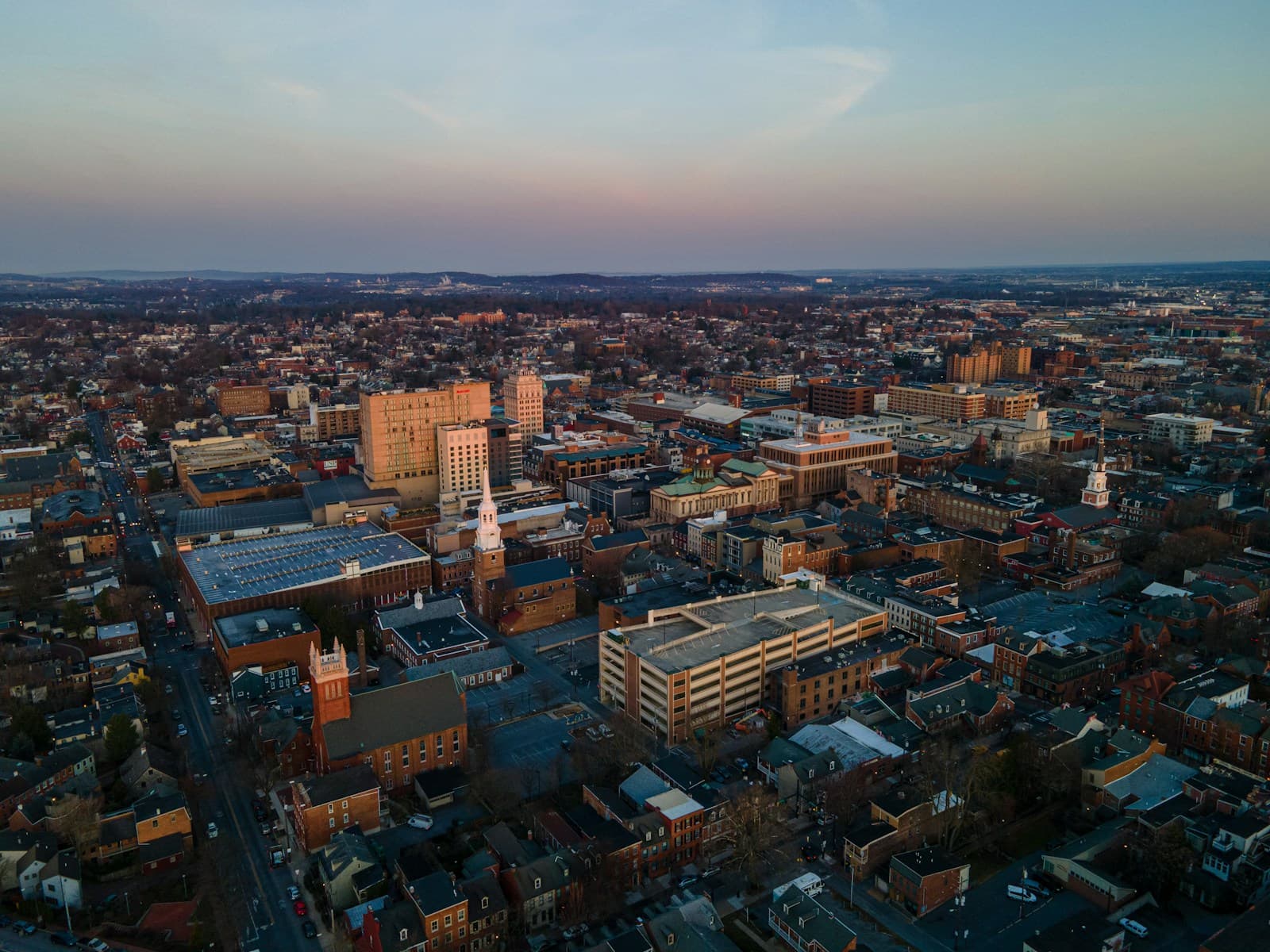
- The city of Lancaster sits within Lancaster County, but insurance rates inside the city limits run 20–30% higher than surrounding townships like Manheim or Lititz. This gap exists because the city's 59,000 residents live in a compact urban area with more intersections, pedestrian crossings, and parking challenges. Young and first-time drivers see the biggest rate difference—urban accident frequency affects your age group more heavily because you're already in a high-risk category.
- Franklin & Marshall College brings thousands of students to Lancaster, many with out-of-state registrations or temporary addresses. If you're a college student here, confirm whether you're still covered under a parent's policy or need your own—most insurers allow students away at school to stay on a family policy if the car remains at the parents' address, but if you keep a car in Lancaster year-round, you'll likely need a separate policy with Lancaster zip code pricing.
- Lancaster typically sees 20–30 inches of snow annually, with the city's Public Works Department prioritizing main arteries like Route 30 and King Street. Side streets and residential areas can remain slippery for hours after a storm, leading to winter slide-offs and low-speed collisions. Collision coverage (which pays to repair your car after an accident, regardless of fault) becomes especially important if you're driving an older car that you can't afford to replace out-of-pocket after a winter incident.
Compare car insurance for first-time drivers
Rates are high for new drivers — but the right carrier and discounts can make a real difference.
Get Your Free QuoteCoverage Recommendations
Cost estimates are based on available industry data and vary by driver profile. These are not insurance quotes.
Liability Insurance
Essential on Lancaster's congested downtown grid where rear-end collisions at intersections like King and Duke Streets are common during peak hours.
$75–$140/monthEstimated range only. Not a quote.
Full Coverage
Recommended if you're financing a car or parking on Lancaster's streets overnight where break-ins near the downtown core happen regularly.
$185–$285/monthEstimated range only. Not a quote.
Comprehensive Coverage
Vehicle theft rates in Lancaster's urban neighborhoods make this coverage critical if you park outside, and deer collisions spike on roads bordering rural Lancaster County.
$45–$75/monthEstimated range only. Not a quote.
Collision Coverage
Route 30's heavy truck traffic and frequent merge conflicts make collision coverage valuable, especially during winter when PennDOT salt trucks can't keep every lane clear.
$95–$160/monthEstimated range only. Not a quote.
Uninsured Motorist Coverage
Lancaster's urban areas see higher uninsured driver rates than suburban townships, particularly in high-density residential blocks near the city's east and south sides.
$25–$50/monthEstimated range only. Not a quote.