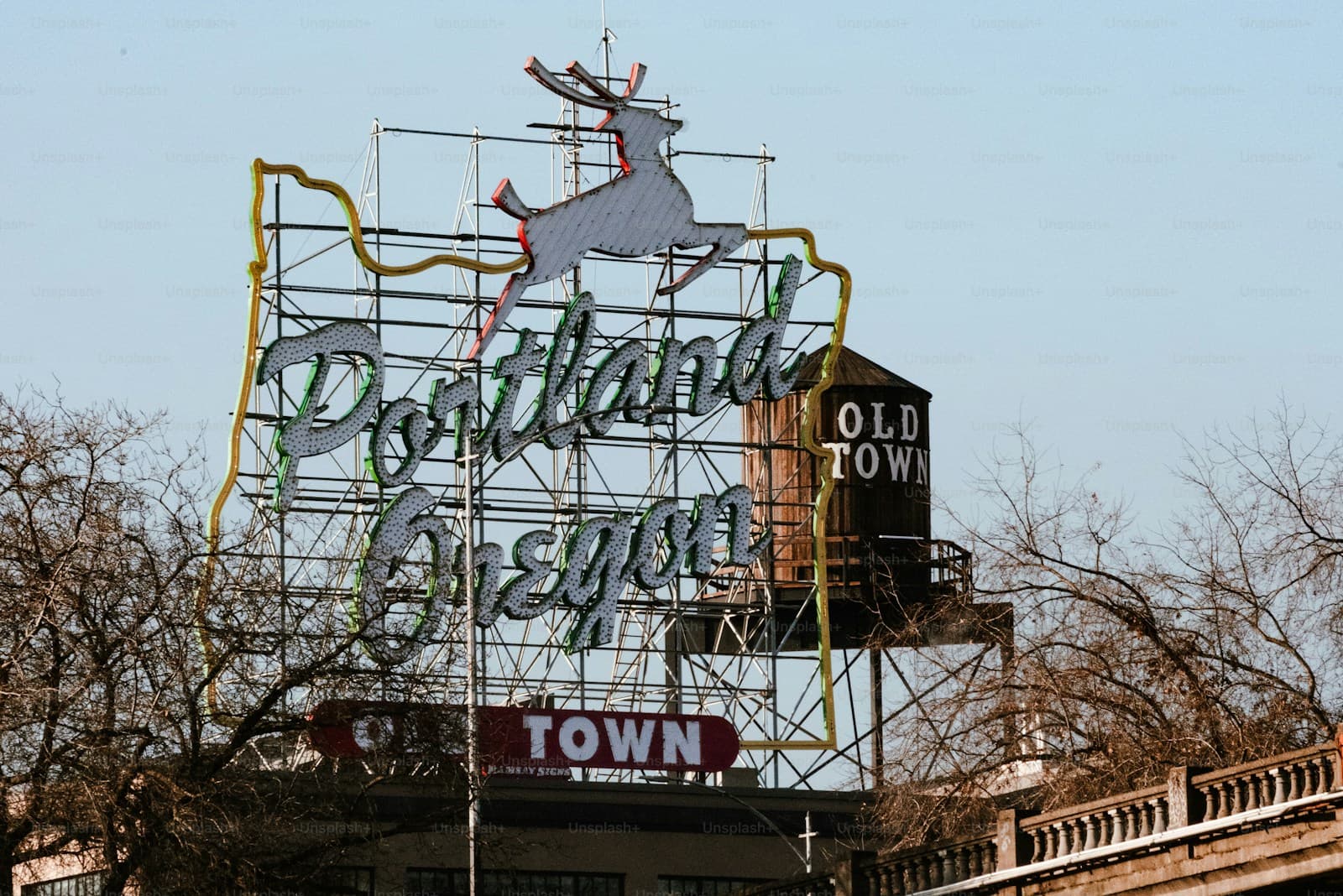
What Affects Rates in Portland
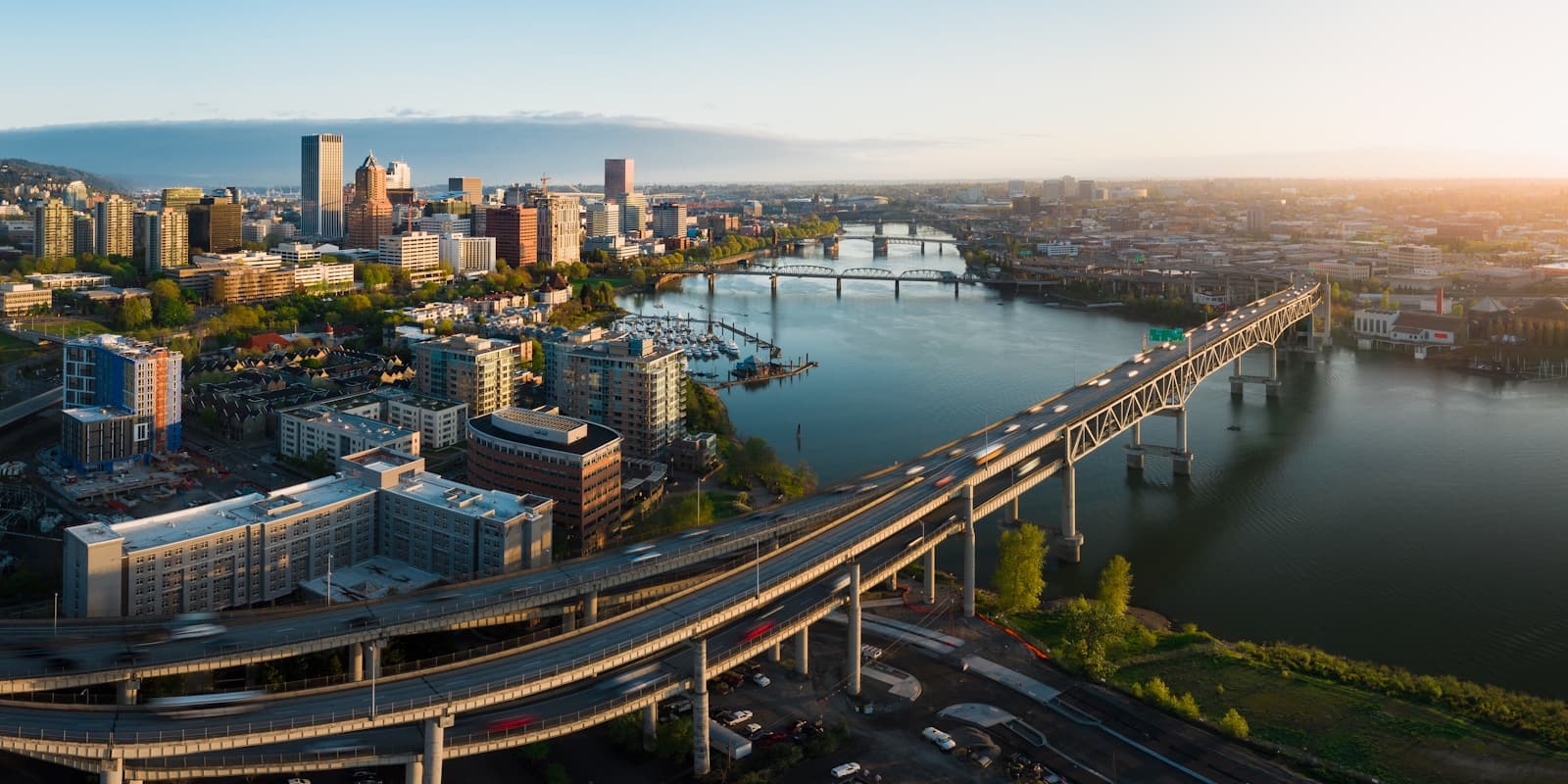
- Portland ranks among the most congested metros on the West Coast, with I-5 through downtown and the I-5/I-84 interchange seeing stop-and-go traffic during morning and evening rush hours. Rear-end collisions and merging accidents are common on the Marquam Bridge and through the Rose Quarter. Insurers price higher premiums for drivers commuting these corridors daily because accident frequency drives claim costs.
- Vehicle theft rates vary widely across Portland, with East Portland neighborhoods like Lents, Powellhurst-Gilbert, and Parkrose experiencing significantly higher break-in and theft claims than inner Southeast or Northwest districts. Comprehensive coverage (the part of your policy that pays for theft and vandalism) costs more if you park overnight in high-theft ZIP codes. Older Honda and Kia models are targeted most frequently.
- Portland's numerous bridges — including the Fremont, Morrison, and Sellwood — create bottlenecks where accidents spike during wet conditions from fall through spring. Rain on oil-slicked pavement reduces traction, and first-time drivers unfamiliar with wet-weather braking contribute to higher collision rates. Insurers account for Portland's 36 inches of annual rain when calculating risk, especially for younger drivers without experience in slippery conditions.
- Drivers in inner Portland neighborhoods (Pearl District, Goose Hollow, Hawthorne) pay premiums 20–30% higher than those in suburban Gresham or Hillsboro due to parking density, pedestrian traffic, and collision frequency. If you live in a walkable urban core, expect higher comprehensive and collision costs because your car is exposed to more risk per mile driven. Moving even 10 miles east can lower your monthly bill significantly.
- First-time drivers under 25 in Portland face steep premiums — often $250–$350/month for full coverage — because insurers combine your age and inexperience with Portland's urban risk factors. Completing a state-approved driver education course and staying on a parent's policy if possible can reduce costs. Once you turn 25 and build three years of claims-free history, rates typically drop 25–40%.
Compare car insurance for first-time drivers
Rates are high for new drivers — but the right carrier and discounts can make a real difference.
Get Your Free QuoteCoverage Recommendations
Cost estimates are based on available industry data and vary by driver profile. These are not insurance quotes.
Liability Insurance
With heavy pedestrian and cyclist traffic in inner Portland, liability claims from crosswalk and bike lane accidents are common — consider raising limits beyond state minimums.
$80–$140/moEstimated range only. Not a quote.
Full Coverage
Essential in Portland given high theft rates in neighborhoods like Lents and frequent rain-related collisions on I-5 and bridge corridors.
$180–$320/moEstimated range only. Not a quote.
Comprehensive Coverage
Portland's vehicle theft rates, especially for older Hondas and Kias in East Portland, make comprehensive coverage critical if you can't afford to replace your car out-of-pocket.
$60–$110/moEstimated range only. Not a quote.
Collision Coverage
Congestion on the Marquam Bridge and I-84 through the Rose Quarter creates frequent fender-benders, making collision coverage valuable even for used vehicles.
$90–$160/moEstimated range only. Not a quote.
Uninsured Motorist Coverage
Oregon has one of the West Coast's higher uninsured driver rates, especially in metro areas, so this coverage fills critical gaps if you're hit by someone without a policy.
$25–$50/moEstimated range only. Not a quote.