
What Affects Rates in Broken Arrow
- Most Broken Arrow residents drive northwest on US-51 or the BA Expressway (State Highway 51 Bypass) to reach Tulsa for work or college. These routes see heavy congestion during morning and evening commutes, which increases accident frequency and raises rates for drivers under 25. If you're commuting to TCC or University of Tulsa, expect insurers to factor in these high-traffic corridors when calculating your premium (the amount you pay each month).
- Broken Arrow sits in the heart of Oklahoma's tornado corridor, with peak severe weather from April through June. Hailstorms frequently damage vehicles parked at home or at work, which makes comprehensive coverage (protection against non-collision damage like hail, theft, and vandalism) more valuable here than in calmer climates. Your deductible (the amount you pay out-of-pocket before insurance covers a claim) directly affects your premium — a $500 deductible costs more monthly than a $1,000 deductible, but you'll pay less if hail dents your car.
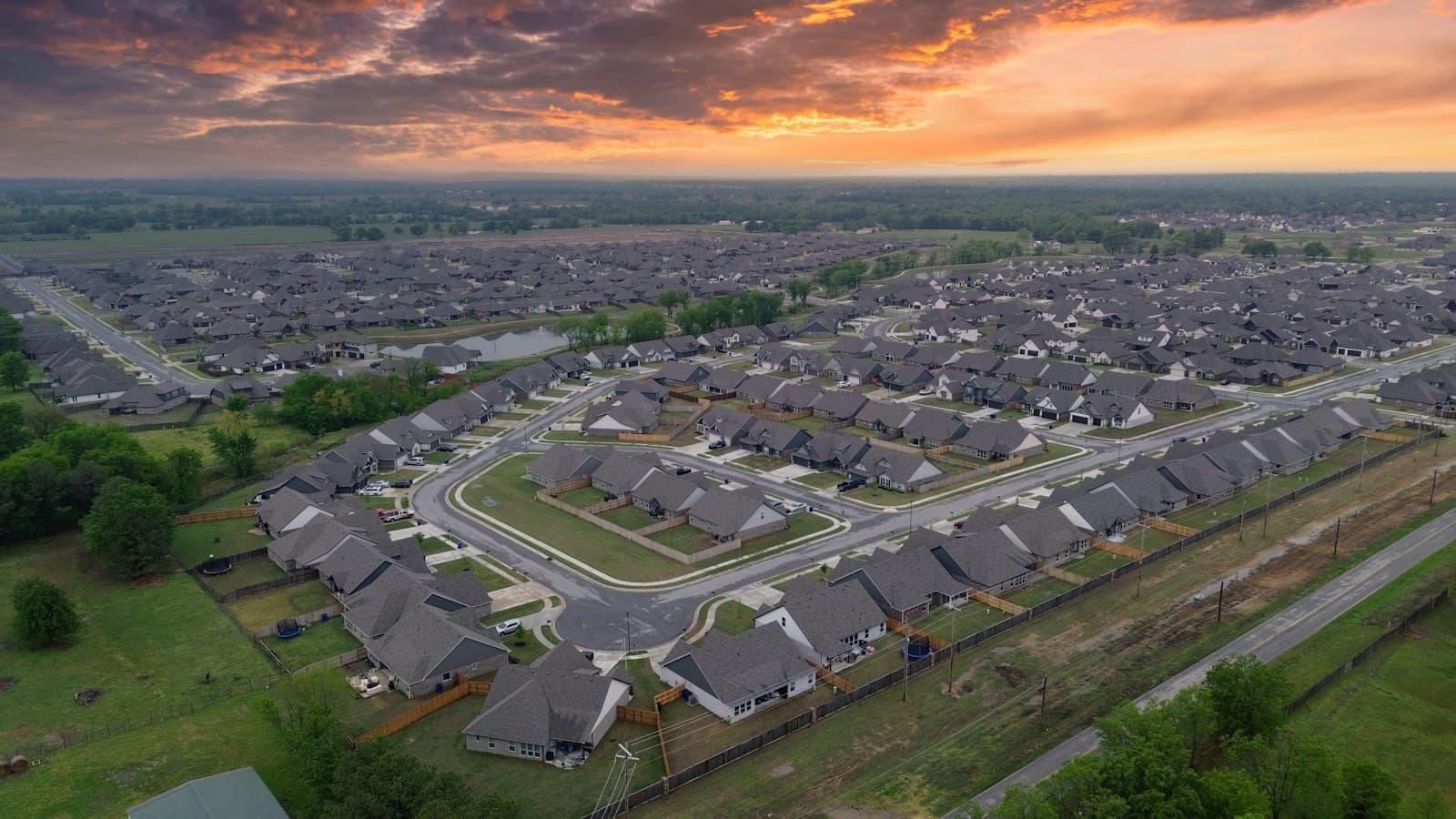
- Rates vary across Broken Arrow's neighborhoods based on theft and claim history. Areas near South Elm Place and downtown see slightly higher rates due to higher traffic density and vehicle break-ins, while newer developments along the south side near 101st Street tend to show lower claim frequency. First-time drivers often don't realize that your home address affects your rate as much as your driving record does.
- If you're under 25 or buying your first policy, Broken Arrow insurers charge significantly more because statistically, first-time drivers have higher accident rates. Expect to pay 60–100% more than a 35-year-old driver with the same coverage. This gap narrows as you build a clean driving record — your rate typically drops noticeably at age 25, and again when you hit three years of claim-free driving.
Compare car insurance for first-time drivers
Rates are high for new drivers — but the right carrier and discounts can make a real difference.
Get Your Free QuoteCoverage Recommendations
Cost estimates are based on available industry data and vary by driver profile. These are not insurance quotes.
Liability Insurance
Essential for first-time drivers commuting on Highway 51 and the BA Expressway, where rear-end collisions are common during rush hour.
$80–$140/moEstimated range only. Not a quote.
Full Coverage
Recommended for Broken Arrow drivers due to spring hailstorms and higher theft rates near commercial districts along Elm Place.
$180–$310/moEstimated range only. Not a quote.
Comprehensive Coverage
Particularly valuable in Broken Arrow, where severe thunderstorms and tornadoes frequently cause hail damage from April through June.
$40–$75/moEstimated range only. Not a quote.
Collision Coverage
Important if you're financing a vehicle and commuting daily into Tulsa, where congested merges on I-44 and the BA lead to frequent fender-benders.
$90–$160/moEstimated range only. Not a quote.
Uninsured Motorist Coverage
Oklahoma has higher-than-average uninsured driver rates, making this coverage a smart addition for young drivers navigating busy Broken Arrow intersections.
$15–$35/moEstimated range only. Not a quote.