What Affects Rates in Fargo
- Most Fargo drivers use I-94 or I-29 daily, whether commuting to West Fargo, Moorhead, or across the metro. These high-speed corridors see frequent winter pileups and rear-end collisions during morning and evening rush periods. Insurers price policies higher for drivers with regular interstate exposure compared to those commuting on surface streets like 13th Avenue or 45th Street.
- Fargo averages 50 inches of snow annually, with black ice and whiteout conditions from November through March creating predictable claim spikes. First-time drivers without winter driving experience face significantly higher risk during this period. Comprehensive coverage (which covers weather damage like hail and ice) and collision coverage both cost more here than in temperate climates due to this seasonal pattern.
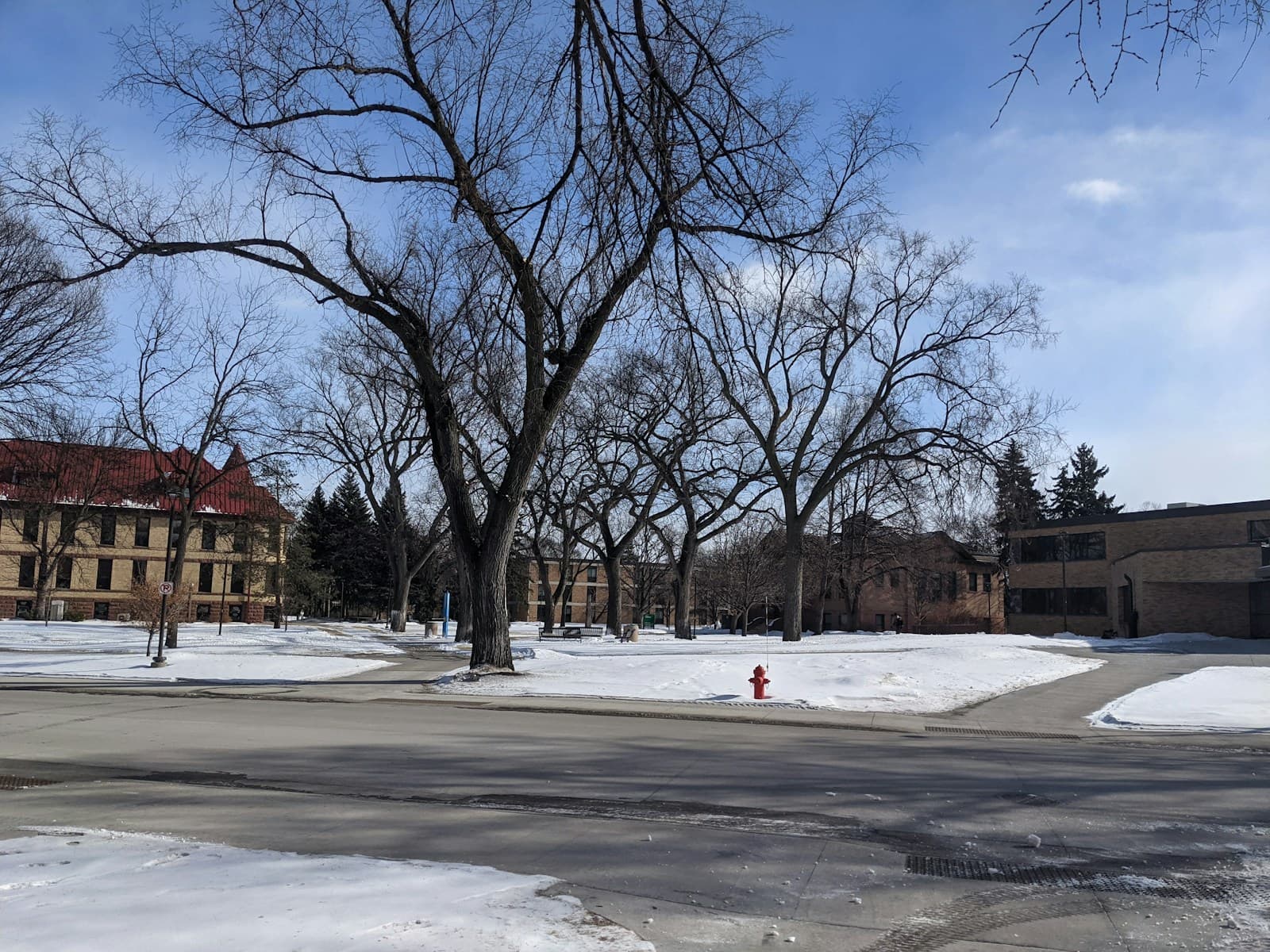
- North Dakota State University brings over 14,000 students to Fargo, many driving for the first time without parental supervision. Insurers view zip codes near campus (58102, 58103) as higher risk due to inexperienced driver density and parking lot incidents. If you're under 25, expect your premium—the amount you pay monthly—to run 1.8 to 2.2 times the base rate until you turn 25 and establish a clean driving record.
- South Fargo neighborhoods near 52nd Avenue see lower theft and vandalism rates compared to older north Fargo areas near downtown. Where you park overnight affects your comprehensive premium directly—a car garaged in south Fargo typically costs 10-15% less to insure than one street-parked near Broadway. This variation matters more for first-time buyers choosing apartments without secured parking.
- While North Dakota requires liability insurance, enforcement gaps mean roughly 8-10% of Fargo drivers operate uninsured, particularly during economic downturns. Uninsured motorist coverage protects you if someone without insurance hits you—it's optional but recommended in Fargo given the exposure on I-94 and I-29 where you encounter drivers from across the region. This coverage typically adds $15-25/month to your premium.
Compare car insurance for first-time drivers
Rates are high for new drivers — but the right carrier and discounts can make a real difference.
Get Your Free QuoteCoverage Recommendations
Cost estimates are based on available industry data and vary by driver profile. These are not insurance quotes.
Liability Insurance
I-94 and I-29 see multi-vehicle winter pileups where minimum limits get exhausted quickly—consider 100/300/100 limits if you can afford the extra $30-50/month.
$65-$110/monthEstimated range only. Not a quote.
Full Coverage
Essential for first-time drivers financing a vehicle in Fargo—lenders require it, and winter hail storms plus I-94 collision risk make it financially prudent even if you own your car outright.
$180-$285/monthEstimated range only. Not a quote.
Comprehensive Coverage
Fargo's 50-inch annual snowfall and summer hail storms make comprehensive essential—a single hail event can cause $3,000-$5,000 in vehicle damage that comprehensive covers after your deductible.
$45-$85/monthEstimated range only. Not a quote.
Collision Coverage
Winter black ice on I-94 and I-29 causes frequent single-vehicle accidents where collision coverage is your only financial protection if you slide into a median or guardrail.
$70-$120/monthEstimated range only. Not a quote.
Uninsured Motorist Coverage
With 8-10% of Fargo drivers operating uninsured, this coverage prevents you from paying out-of-pocket after an accident caused by someone without insurance on I-94 or 13th Avenue.
$15-$25/monthEstimated range only. Not a quote.