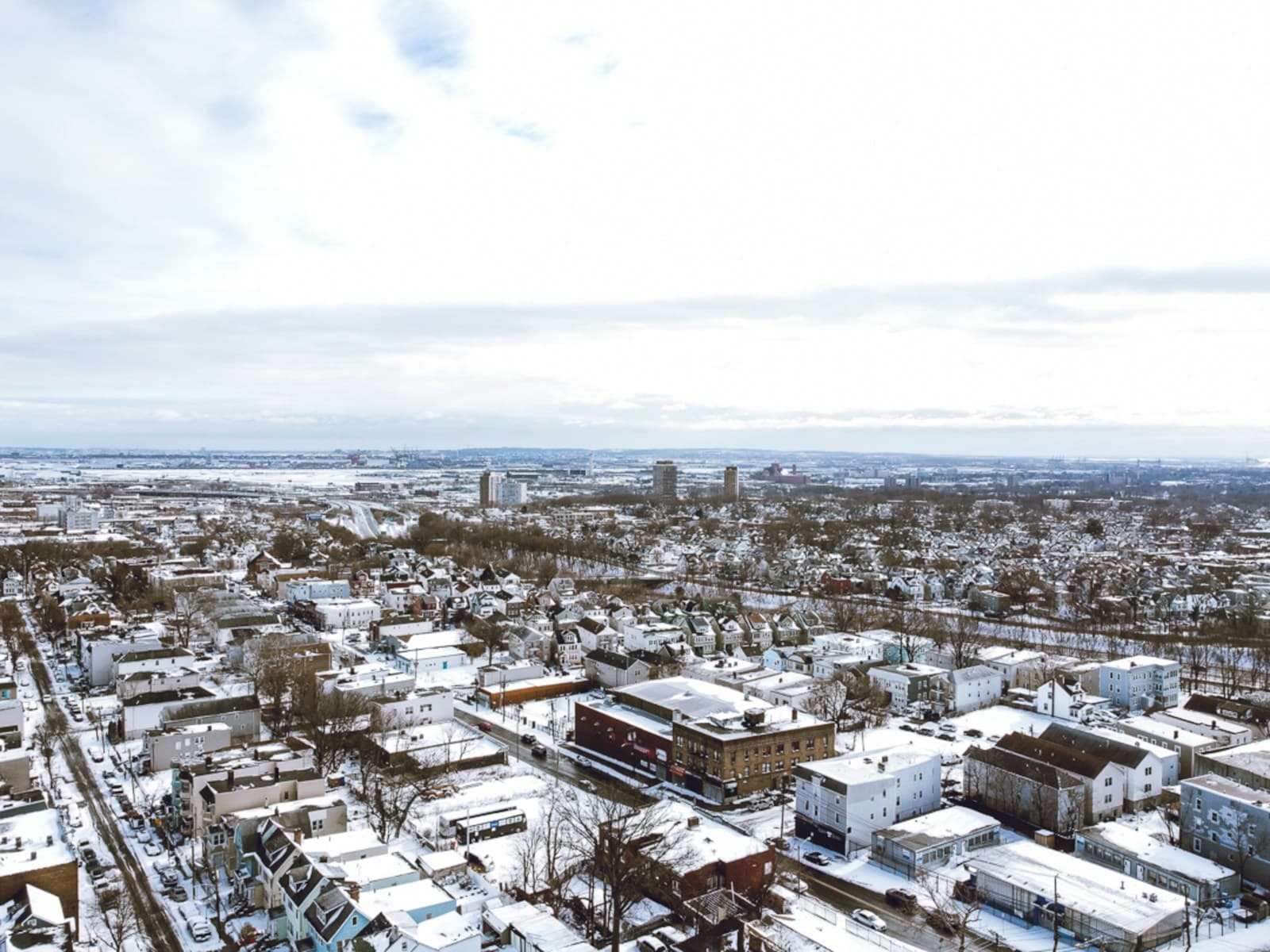
What Affects Rates in Newark
- Daily backups on I-78 through downtown, I-280 approaching the Lincoln Tunnel, and surface traffic on Broad Street and McCarter Highway create frequent low-speed collisions. Routes 1 & 9 through the North and East wards see constant merging accidents, especially near Newark Airport exits. First-time drivers navigating these corridors face higher collision risk, which insurers price into premiums—expect rates 25–35% above suburban New Jersey averages.
- Newark consistently ranks among New Jersey's highest cities for auto theft, affecting neighborhoods from University Heights to the Central Ward. Comprehensive coverage (which pays for theft, not just accidents) costs more here than in Edison or Summit, but it's essential if you're financing a vehicle. Garaging your car in a secured lot versus street parking can reduce comprehensive premiums by 10–15%.
- If you're under 25 or getting your first policy, Newark's baseline rates multiply—insurers often charge drivers under 25 twice the standard premium due to inexperience combined with urban risk. A 22-year-old driver in Newark might pay $400–$520/mo for full coverage, while the same driver in Montclair pays $300–$380/mo. These rates drop significantly after three years of clean driving.
- The area surrounding Penn Station and Broad Street experiences heavy pedestrian and cyclist traffic, increasing liability exposure for newer drivers unfamiliar with urban navigation. Accidents involving pedestrians in crosswalks near Military Park or Mulberry Commons can trigger liability claims well above New Jersey's minimum 15/30 limits, making higher liability coverage critical for first-time buyers.
- The Pulaski Skyway and Route 21 bridge over the Passaic River ice over quickly in winter, creating hazardous conditions for inexperienced drivers. Comprehensive coverage covers weather-related damage like hail or flooding from Passaic River overflow, while collision coverage handles accidents on icy overpasses—both matter more in Newark's infrastructure-heavy landscape than rural areas.
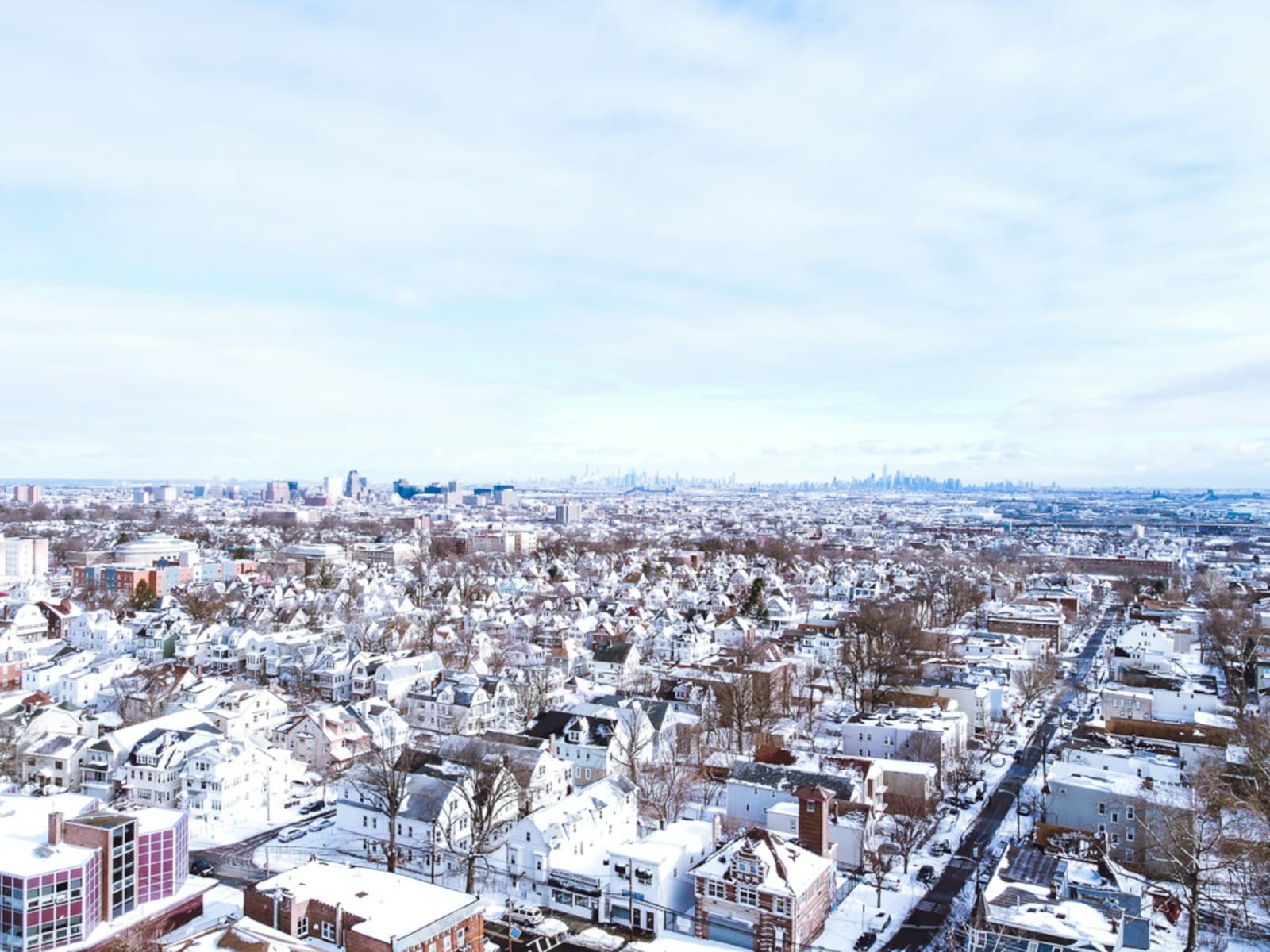
Compare car insurance for first-time drivers
Rates are high for new drivers — but the right carrier and discounts can make a real difference.
Get Your Free QuoteCoverage Recommendations
Cost estimates are based on available industry data and vary by driver profile. These are not insurance quotes.
Liability Insurance
Newark's pedestrian-heavy zones near Penn Station and the Ironbound make liability claims common; consider 100/300 limits instead of New Jersey's 15/30 minimum to protect against lawsuits.
$110–$180/moEstimated range only. Not a quote.
Full Coverage
Essential for financed vehicles in Newark given high theft rates citywide and frequent accidents on I-78 and the Pulaski Skyway; most lenders require it until you pay off the loan.
$220–$380/moEstimated range only. Not a quote.
Comprehensive Coverage
Newark's elevated auto theft risk makes comprehensive critical even for older vehicles; street parking in the Central or West wards increases claim likelihood significantly.
$70–$130/moEstimated range only. Not a quote.
Collision Coverage
Heavy congestion on McCarter Highway and Route 21 leads to frequent fender-benders; collision coverage with a $500 deductible (the amount you pay before insurance kicks in) balances cost and protection for first-time drivers.
$95–$160/moEstimated range only. Not a quote.
Uninsured Motorist Coverage
Urban areas like Newark see higher uninsured driver rates than suburban towns; this coverage pays your medical bills and car repairs when the at-fault driver can't.
$25–$45/moEstimated range only. Not a quote.