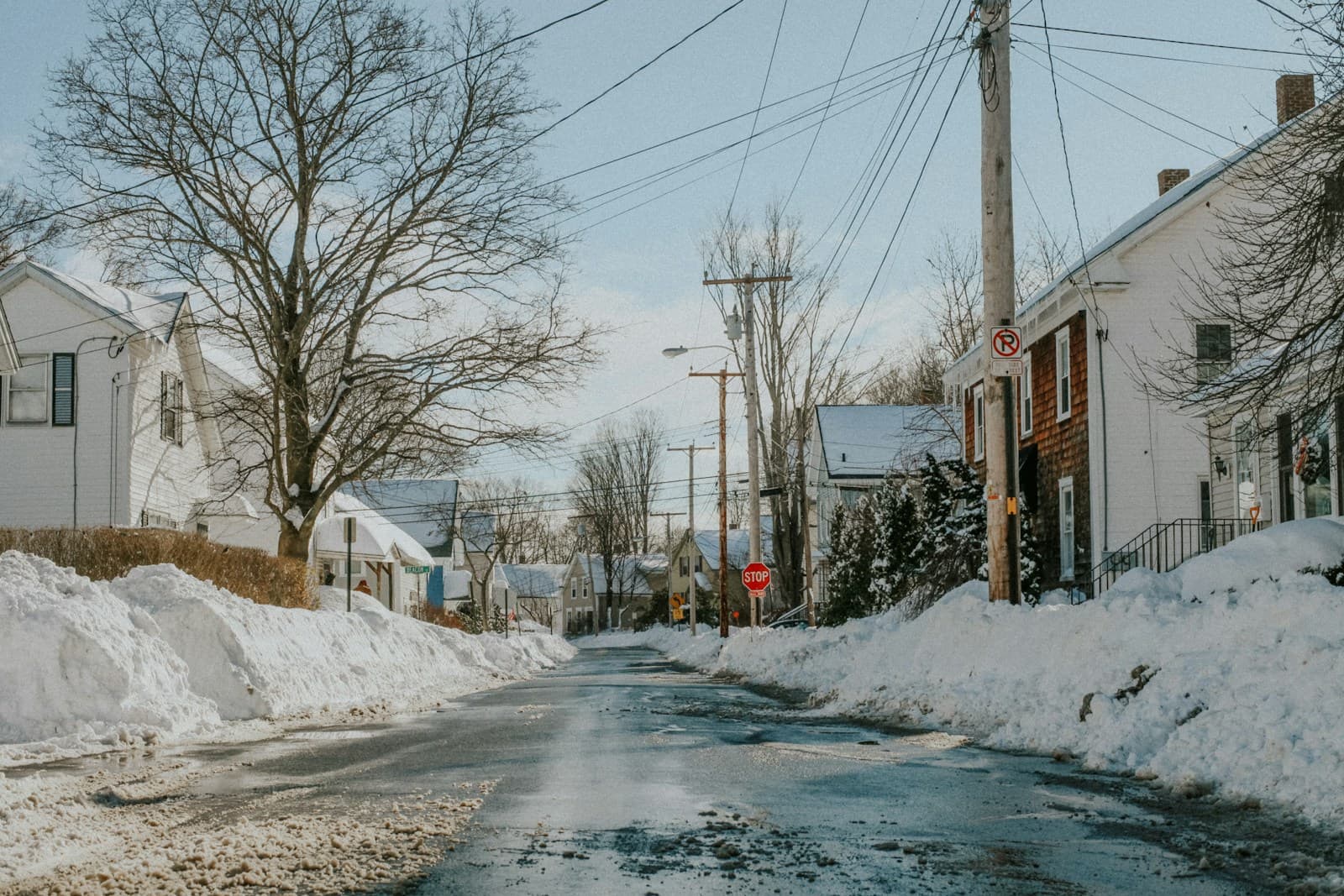
Minimum Coverage Requirements in New Hampshire
New Hampshire operates as a tort state and does not mandate auto insurance for drivers who can demonstrate financial responsibility — typically $25,000 per person/$50,000 per accident for bodily injury and $25,000 for property damage. However, if you cause an accident and cannot pay damages out of pocket, the New Hampshire Department of Safety can suspend your license and require proof of insurance for up to three years. For first-time drivers without savings to cover potential claims, voluntary coverage is the only practical protection.

Meeting the state minimum keeps you legal. See whether it's enough — get your New Hampshire quote.
Get your New Hampshire quoteHow Much Does Car Insurance Cost in New Hampshire?
New Hampshire auto insurance rates are influenced by the state's optional insurance system, high uninsured driver percentage, and severe winter weather that increases accident frequency. First-time drivers and those under 25 face significantly higher premiums — typically 60–90% above the state average — due to lack of driving history and statistically higher accident rates.
What Affects Your Rate
- New Hampshire's optional insurance law results in approximately 10–12% of drivers carrying no coverage, raising uninsured motorist claim risk.
- First-time drivers under 25 pay 60–90% more than experienced drivers due to higher accident rates — a 20-year-old pays nearly double the premium of a 30-year-old for identical coverage.
- Winter driving conditions from November through March increase accident frequency statewide, particularly for inexperienced drivers unfamiliar with black ice and whiteout conditions.
- Manchester, Nashua, and Concord show higher rates than rural areas due to traffic density and higher theft rates — urban first-time drivers can expect premiums $30–$50/mo above state averages.
- A clean driving record for three consecutive years can reduce first-time driver premiums by 20–30%, making early safe driving habits financially significant.
- Choosing a higher deductible (the amount you pay out of pocket before insurance covers a claim) — such as $1,000 instead of $500 — can lower monthly premiums by 15–25%, but requires having savings to cover that deductible in an emergency.
Compare car insurance for first-time drivers
Rates are high for new drivers — but the right carrier and discounts can make a real difference.
Get Your Free QuoteCoverage Types
Liability Insurance
Covers injuries and property damage you cause to others in an at-fault accident. This is your protection against lawsuits and personal financial ruin — without it, you're personally responsible for all damages, which can mean wage garnishment and asset seizure.
Full Coverage
Combines liability, collision, and comprehensive coverage — protects both your legal liability and your own vehicle from accidents, theft, weather, and animal strikes. Required by lenders if you finance or lease a car.
Comprehensive Coverage
Pays to repair or replace your vehicle after non-collision damage — theft, vandalism, hail, falling objects, fire, flooding, and animal strikes. You pay a deductible (typically $500–$1,000), then insurance covers the rest up to your vehicle's actual cash value.
Uninsured Motorist Coverage
Protects you when you're hit by a driver with no insurance or not enough coverage to pay your medical bills and vehicle damage. This coverage steps in to pay your costs when the at-fault driver can't.
Collision Coverage
Pays to repair or replace your vehicle after a crash with another car or object, regardless of who caused the accident. You choose a deductible amount, and insurance covers repair costs above that.