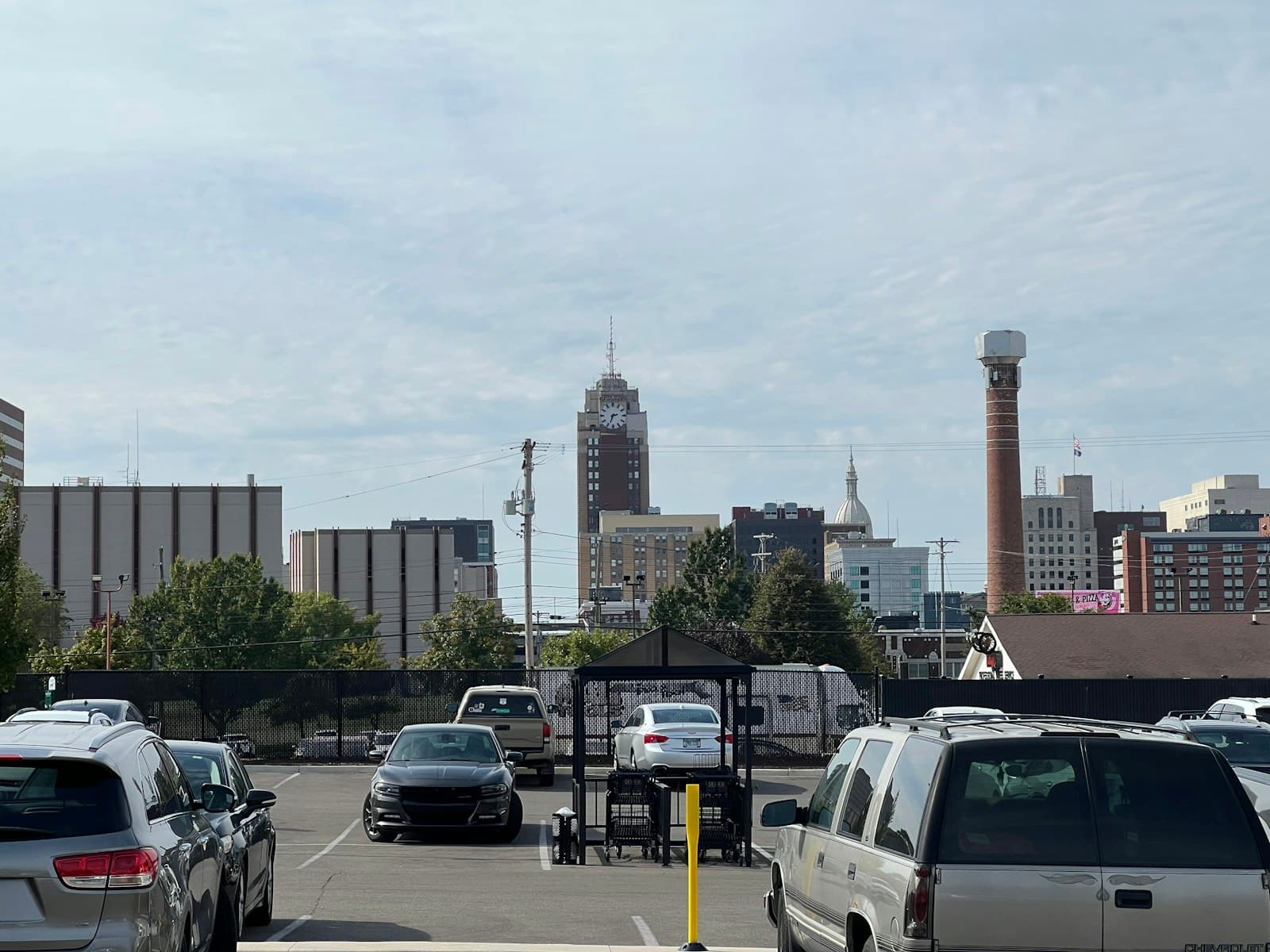
What Affects Rates in Lansing
- I-496 cutting through downtown sees heavy weekday traffic as state employees and lobbyists converge on the Capitol complex between 7–9 AM and 4–6 PM. Rear-end collisions spike along the Washington Avenue exits and on southbound US-127 approaching Kalamazoo Street during evening rush. Collision coverage claims in these corridors cost insurers more, which translates to higher premiums for drivers commuting through or near the Capitol district.
- The I-96/I-69 interchange on Lansing's east side is one of mid-Michigan's busiest merge zones, with trucks hauling between Detroit and Grand Rapids mixing with local commuters heading to Eastwood Towne Center and Frandor. Multi-vehicle accidents here are common during winter weather, and comprehensive claims for road debris damage increase during spring thaw. If you live or work near this interchange, expect insurers to price in the elevated collision risk.
- Auto theft and vandalism rates differ significantly across Lansing's neighborhoods. The Eastside and portions of the central city near Miller Road see higher comprehensive claims for break-ins and stolen vehicles, while westside subdivisions near Waverly and Delta Township report far fewer incidents. Insurers map these theft zones closely—your street address can shift your comprehensive coverage cost by $30–$60/mo even within the same ZIP code.
- Lansing averages 51 inches of snow annually, and the first freeze in November typically triggers a surge in single-vehicle accidents as drivers adjust to black ice on M-43, Saginaw Highway, and Grand River Avenue. Comprehensive claims for ice-related windshield damage and parking lot slide-offs peak December through February. Collision and comprehensive deductibles—the amount you pay before insurance kicks in—matter more here than in warmer climates.
- If you're under 25 or getting your first policy, expect Lansing insurers to charge significantly more—often 60–90% above the base rate—because young drivers statistically have more accidents. Adding yourself to a parent's policy if you still live at home usually costs less than buying your own standalone policy. Some insurers offer discounts if you complete a defensive driving course or maintain a 3.0 GPA, which can shave $20–$40/mo off your bill.
Compare car insurance for first-time drivers
Rates are high for new drivers — but the right carrier and discounts can make a real difference.
Get Your Free QuoteCoverage Recommendations
Cost estimates are based on available industry data and vary by driver profile. These are not insurance quotes.
Liability Insurance
Critical on Lansing's busy corridors like I-496 and Michigan Avenue, where rear-end collisions during rush hour can result in expensive injury claims against you.
$95–$160/moEstimated range only. Not a quote.
Full Coverage
Recommended for first-time drivers financing a car or living in higher-theft neighborhoods like the Eastside, where comprehensive claims are more common.
$210–$345/moEstimated range only. Not a quote.
Comprehensive Coverage
Particularly valuable in Lansing due to elevated auto theft rates in central neighborhoods and frequent winter ice damage to windshields and body panels.
$55–$95/moEstimated range only. Not a quote.
Collision Coverage
Important on I-96, I-69, and US-127 where multi-vehicle pileups during winter storms and congested merge zones lead to frequent collision claims.
$75–$130/moEstimated range only. Not a quote.
Uninsured Motorist Coverage
Useful in Lansing where uninsured driver rates are higher in economically stressed neighborhoods, increasing your chance of being hit by someone without coverage.
$30–$55/moEstimated range only. Not a quote.