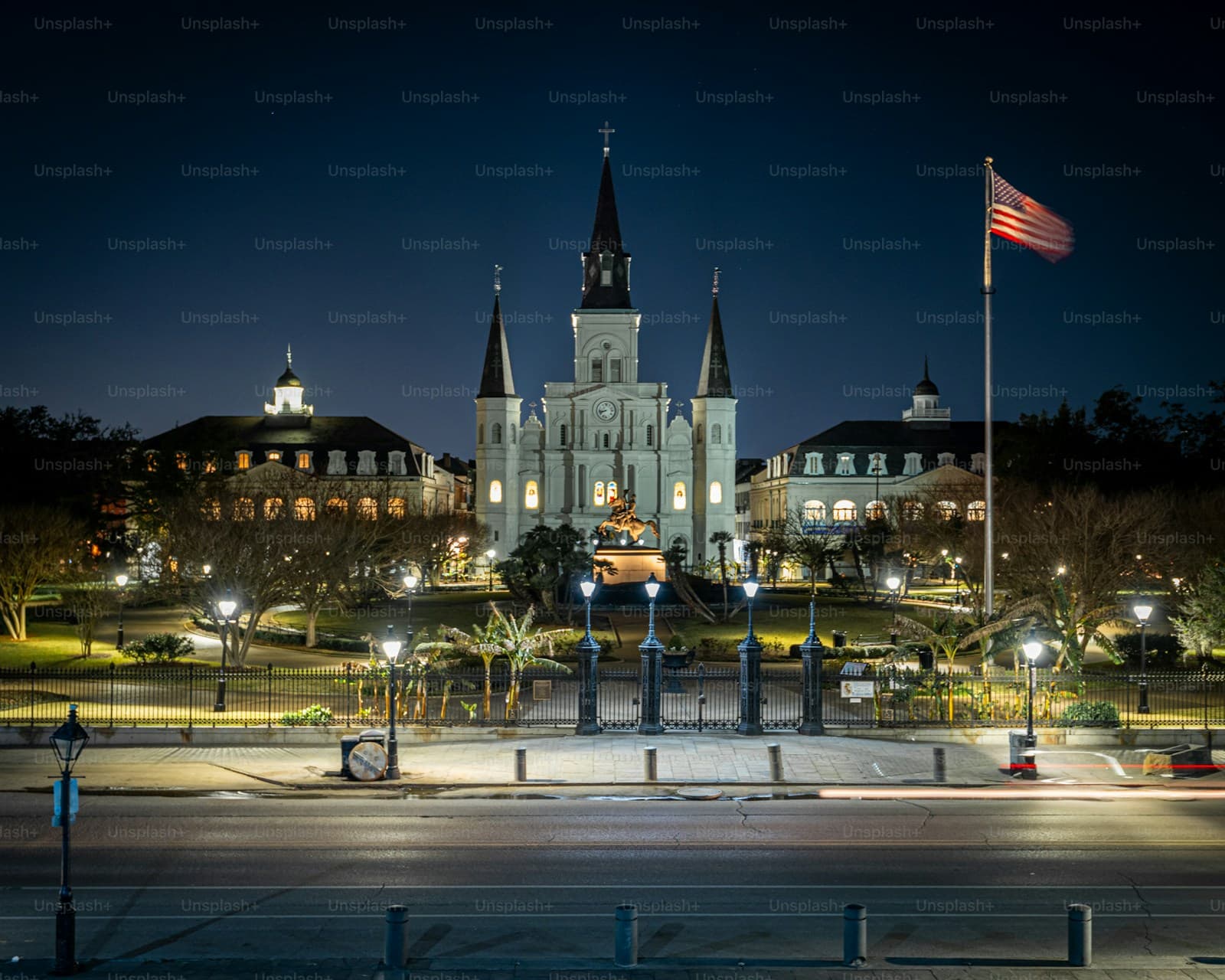
What Affects Rates in New Orleans
- New Orleans sits below sea level with vulnerable drainage infrastructure, making comprehensive coverage (which pays for flood and storm damage to your car) essential even if your loan doesn't require it. Heavy rainfall can flood underpasses along I-10 and Canal Street within minutes, damaging engines and electronics. Standard liability-only policies won't cover this damage — you need comprehensive to protect against water-related losses.
- The I-10 corridor through downtown and the I-610 loop see daily backups during morning and evening commutes, increasing rear-end collision risk for new drivers unfamiliar with sudden stops. Liability insurance (coverage that pays for damage you cause to others) is required by Louisiana law, but collision coverage (which pays to repair your own car after an accident) becomes critical on these high-traffic routes. First-time drivers face higher premiums here because congestion correlates with more frequent claims.
- New Orleans has elevated auto theft rates, particularly in the French Quarter, Mid-City, and near tourist corridors where out-of-state plates and rental cars are common. Comprehensive coverage protects against theft and break-ins — incidents that happen even when you're not driving. Young drivers often park on streets without gated access, making this coverage especially relevant if you're renting an apartment in Bywater, Marigny, or Uptown.
- Hurricane season runs June through November, and New Orleans faces mandatory evacuation orders that can leave vehicles exposed to wind and flooding. Comprehensive coverage pays for hurricane damage, but your deductible (the amount you pay out-of-pocket before insurance kicks in) matters — a $1,000 deductible means lower monthly premiums but higher upfront cost if a storm hits. First-time buyers should balance monthly affordability against storm season risk.
- Your ZIP code significantly impacts your rate: drivers in Lakeview and Algiers typically pay less than those in Central City or the Lower Ninth Ward due to historical claim frequency and theft data. When comparing quotes, use your exact address — a few blocks can shift your premium by $30–$50/month. This variation is especially pronounced for drivers under 25, who already face higher base rates.

Compare car insurance for first-time drivers
Rates are high for new drivers — but the right carrier and discounts can make a real difference.
Get Your Free QuoteCoverage Recommendations
Cost estimates are based on available industry data and vary by driver profile. These are not insurance quotes.
Liability Insurance
Critical on congested I-10 and Claiborne Avenue corridors where rear-end collisions are common during rush hour.
$90–$140/monthEstimated range only. Not a quote.
Comprehensive Coverage
Essential in New Orleans due to below-sea-level flood risk, hurricane exposure, and elevated theft rates in tourist-heavy neighborhoods.
$50–$85/monthEstimated range only. Not a quote.
Collision Coverage
Valuable for first-time drivers navigating tight parking in the French Quarter and congested merge lanes on I-610.
$70–$110/monthEstimated range only. Not a quote.
Uninsured Motorist Coverage
Louisiana has a higher-than-average uninsured driver rate, making this coverage important for young drivers who can't afford out-of-pocket repair costs.
$25–$45/monthEstimated range only. Not a quote.
Full Coverage
Recommended for New Orleans drivers given flood risk, theft rates, and congested traffic conditions that increase accident likelihood.
$185–$290/monthEstimated range only. Not a quote.