
What Affects Rates in Indianapolis
- The I-465 loop carries heavy commuter traffic from all directions, with particularly dense morning and evening flows at the I-70 and I-65 interchanges on the north and south sides. Accident rates climb during rush hours, especially at merges near Castleton and on the northwest side approaching the I-65 split. First-time drivers navigating this loop face higher collision risk, which insurers price into premiums.
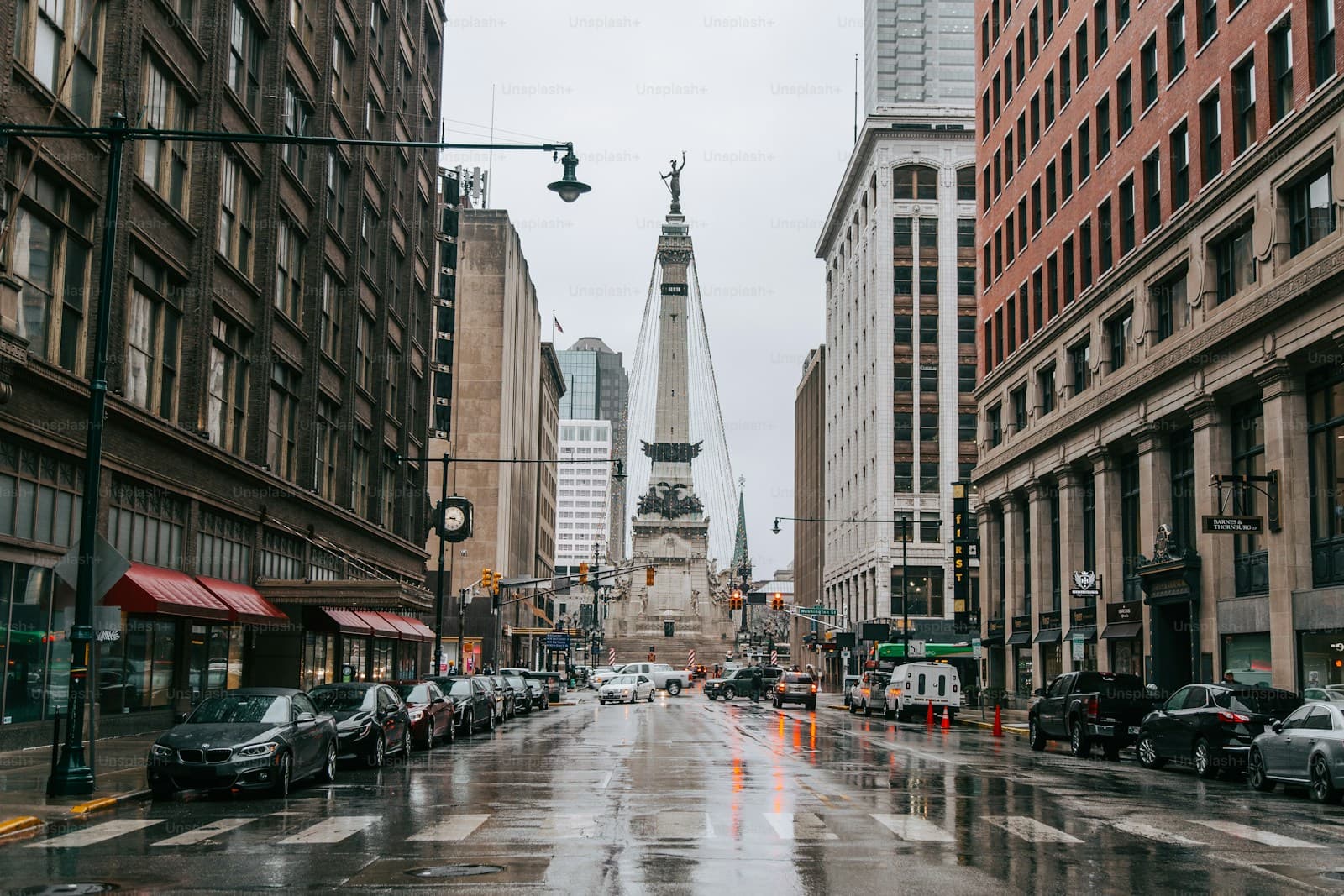
- Downtown Indianapolis and neighborhoods like Broad Ripple, Mass Ave, and Fountain Square see concentrated pedestrian traffic, parallel parking, and frequent stop-and-go conditions. Vehicle theft rates are higher in urban cores and near entertainment districts compared to suburban areas like Carmel or Fishers. Comprehensive coverage (which covers theft and vandalism) becomes especially relevant if you park on-street or in public lots regularly.
- Indianapolis winters bring freezing rain and black ice, particularly dangerous on elevated sections of I-70 and bridges across the White River. First-time drivers unfamiliar with winter braking distances experience higher collision rates during December through February. Comprehensive coverage also addresses hail damage from spring and summer storm cells that move quickly across Central Indiana, often with little warning.
- Many Indianapolis residents commute from suburbs like Greenwood, Lawrence, and Avon along I-65, I-70, and US-31, creating long stretches of highway dependency. Higher annual mileage from these commutes increases your rate, especially as a new driver. Insurers view longer commutes as higher exposure, and accidents on high-speed interstate segments carry more severe injury risk than city street collisions.
- Indiana has moderate uninsured motorist rates, and urban areas like Indianapolis see higher concentrations of uninsured drivers than surrounding counties. If an uninsured driver hits you, uninsured motorist coverage (UM) pays for your injuries and damages. This coverage is especially important for first-time drivers who may not have savings to cover out-of-pocket costs after an at-fault uninsured driver flees or cannot pay.
Compare car insurance for first-time drivers
Rates are high for new drivers — but the right carrier and discounts can make a real difference.
Get Your Free QuoteCoverage Recommendations
Cost estimates are based on available industry data and vary by driver profile. These are not insurance quotes.
Liability Insurance
Required by Indiana law and critical for Indianapolis drivers navigating heavy I-465 and downtown traffic where multi-car pileups and rear-end collisions are common.
$90–$180/monthEstimated range only. Not a quote.
Full Coverage
Recommended for Indianapolis drivers with financed or leased vehicles, especially if you park downtown or in Broad Ripple where theft and break-in rates are elevated.
$180–$320/monthEstimated range only. Not a quote.
Comprehensive Coverage
Valuable in Indianapolis due to higher vehicle theft downtown and frequent hail from spring and summer storms that can shatter windshields and dent hoods citywide.
$40–$80/monthEstimated range only. Not a quote.
Uninsured Motorist Coverage
Important for Indianapolis first-time drivers because urban areas see higher uninsured driver rates, and a hit-and-run or uninsured crash can leave you with large bills.
$15–$35/monthEstimated range only. Not a quote.
Collision Coverage
Essential for navigating Indianapolis rush-hour traffic on I-465 and I-70, where stop-and-go conditions and sudden lane changes lead to frequent fender-benders.
$80–$150/monthEstimated range only. Not a quote.