
What Affects Rates in New Haven
- I-95 runs straight through New Haven, carrying thousands of daily commuters between Bridgeport and Hartford. This corridor sees frequent rear-end collisions during rush hour, especially near Exit 44–47 where merging traffic bottlenecks. Insurers track accident frequency by zip code, so living or commuting along this stretch raises your premium—often by 10–20% compared to neighborhoods farther from the interstate.
- Vehicle theft and break-ins cluster around downtown parking garages and surface lots near Union Station and the Broadway commercial district. If you're parking overnight in these areas without a garage, expect higher comprehensive coverage costs (the coverage that pays if your car is stolen or vandalized). Insurers use localized crime data, and New Haven's downtown theft rates are among the highest in Connecticut.
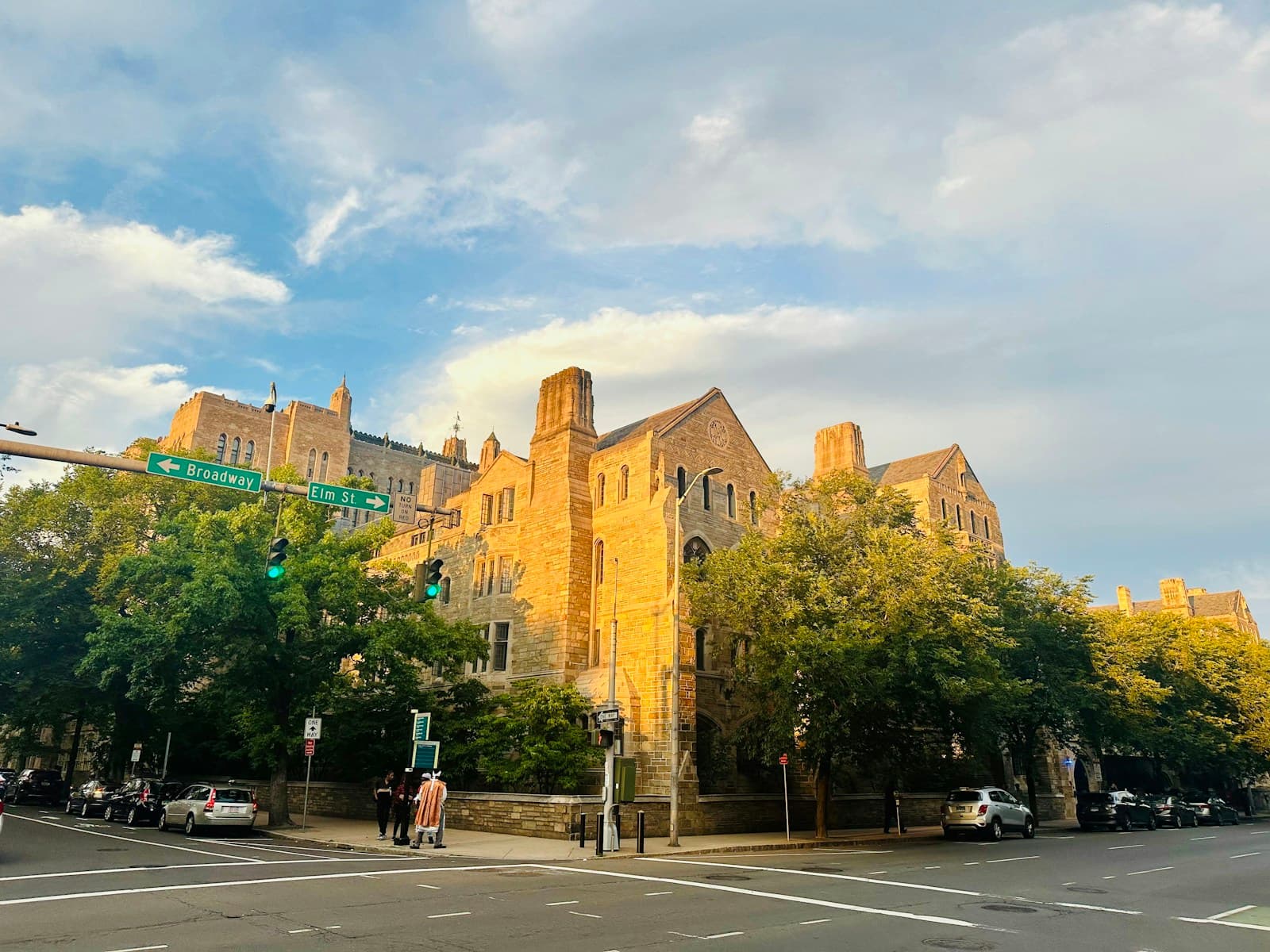
- Yale's campus generates heavy pedestrian and bike traffic on streets like Chapel, College, and Elm. Fender-benders and low-speed collisions are common in these zones, especially for new drivers unfamiliar with tight parallel parking and constant crosswalk activity. This contributes to higher collision claim frequency, which insurers factor into zip-code-level pricing.
- New Haven sees 30–40 inches of snow annually, and salt-damaged roads combined with potholes create spring hazards. Tire blowouts and undercarriage damage spike after freeze-thaw cycles, particularly on older streets in Fair Haven and Newhallville. Comprehensive coverage (which covers non-collision damage) becomes more valuable if you're driving an older car through harsh winters.
- If you're under 25 or buying insurance for the first time, insurers view you as a higher risk—you have no claims history to prove you're a safe driver. In New Haven's urban environment, this surcharge is steeper because base rates are already elevated. Expect to pay 40–70% more than an experienced driver with a clean record. Adding yourself to a parent's policy often costs less than buying your own until you turn 25.
Compare car insurance for first-time drivers
Rates are high for new drivers — but the right carrier and discounts can make a real difference.
Get Your Free QuoteCoverage Recommendations
Cost estimates are based on available industry data and vary by driver profile. These are not insurance quotes.
Liability Insurance
Critical in New Haven's tight downtown streets where fender-benders with parked cars and pedestrian incidents are common near Yale's campus.
$95–$160/moEstimated range only. Not a quote.
Full Coverage
Recommended if you're financing a car or parking in downtown New Haven, where theft and collision risks are both elevated.
$175–$295/moEstimated range only. Not a quote.
Comprehensive Coverage
Especially valuable in New Haven due to high vehicle break-in rates near Union Station and downtown parking lots.
$45–$75/moEstimated range only. Not a quote.
Collision Coverage
Worthwhile for new drivers navigating congested I-95 exits and dense campus traffic where low-speed crashes are frequent.
$80–$130/moEstimated range only. Not a quote.
Uninsured Motorist Coverage
Connecticut has a moderate uninsured driver rate, but New Haven's urban environment increases hit-and-run risk in crowded parking areas.
$20–$40/moEstimated range only. Not a quote.