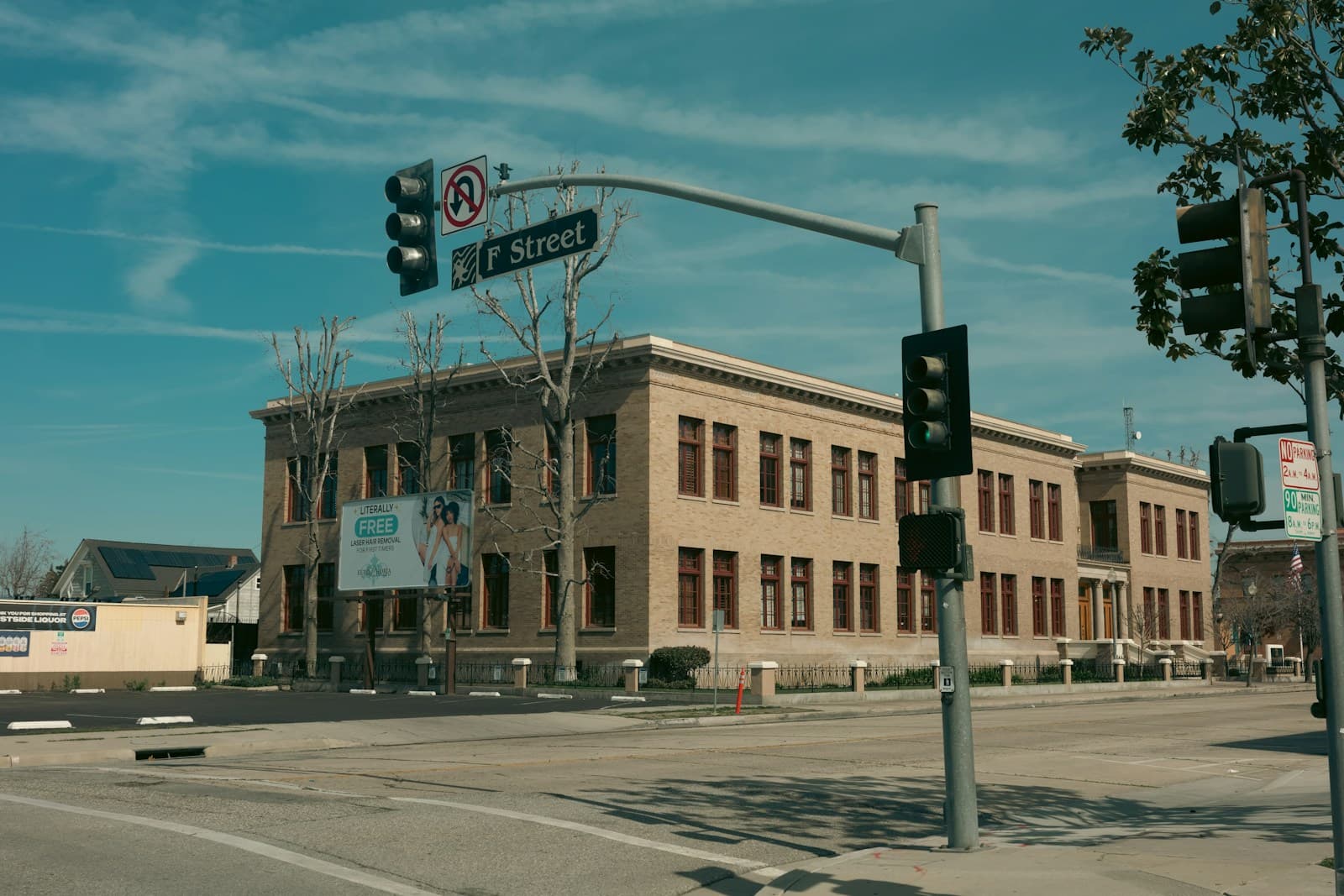
What Affects Rates in Bakersfield
- Highway 99 runs straight through Bakersfield and carries intense commuter and commercial truck traffic between the central valley's agricultural hubs and Southern California. Rear-end collisions and merge accidents spike during morning and evening rush hours, particularly near the Ming Avenue and California Avenue interchanges. Insurers treat the 99 corridor as a high-frequency loss zone, which directly raises premiums for drivers who live or work near it.
- East Bakersfield and downtown neighborhoods report some of the state's highest auto theft rates, with older Honda and Toyota models frequently targeted. Comprehensive coverage (which pays if your car is stolen) costs more here than in surrounding Kern County towns. If you're parking on the street overnight in these areas, expect insurers to quote higher comp premiums or recommend higher deductibles to offset the risk.
- Bakersfield regularly exceeds 100°F from June through September, which accelerates tire blowouts, battery failures, and cooling system breakdowns on Highway 58 and rural county roads. While this doesn't raise liability premiums directly, it increases the likelihood of roadside breakdowns that can lead to secondary collisions. First-time drivers should budget for roadside assistance add-ons, which typically cost $5–$10/month.
- Kern County has a measurably higher uninsured motorist rate than California's coastal metros, particularly among agricultural workers commuting on rural highways. Uninsured motorist coverage (UM) protects you if you're hit by someone without insurance, and it's critical here. Many first-time buyers skip UM to save money, but a single hit-and-run on Highway 99 can leave you covering repair costs out of pocket.
- Bakersfield's economy centers on oil extraction and agriculture, which means heavy truck traffic on State Route 58, 178, and county roads leading to oilfields west of town. Collisions involving commercial trucks result in more expensive claims, and insurers price that risk into premiums for all drivers in the metro. Routes like 58 between downtown and McKittrick see frequent truck-involved accidents.
Compare car insurance for first-time drivers
Rates are high for new drivers — but the right carrier and discounts can make a real difference.
Get Your Free QuoteCoverage Recommendations
Cost estimates are based on available industry data and vary by driver profile. These are not insurance quotes.
Liability Insurance
Highway 99's congestion and truck traffic make rear-end and merge collisions common, and liability claims here often exceed state minimums.
$95–$180/moEstimated range only. Not a quote.
Full Coverage
Essential for first-time drivers financing a car in Bakersfield, where theft risk in east Bakersfield and downtown neighborhoods makes comprehensive a practical necessity.
$180–$320/moEstimated range only. Not a quote.
Comprehensive Coverage
Bakersfield's auto theft rate is well above the state average, particularly for older Hondas and Toyotas parked in downtown and east-side neighborhoods.
$60–$110/moEstimated range only. Not a quote.
Uninsured Motorist Coverage
Kern County has a higher uninsured driver rate than coastal California metros, making UM coverage a critical safety net on Highway 99 and rural county roads.
$25–$50/moEstimated range only. Not a quote.
Collision Coverage
Heavy truck traffic on Highway 58 and 99 increases the chance of multi-vehicle accidents, and collision coverage ensures you're not covering repair costs out of pocket.
$80–$150/moEstimated range only. Not a quote.