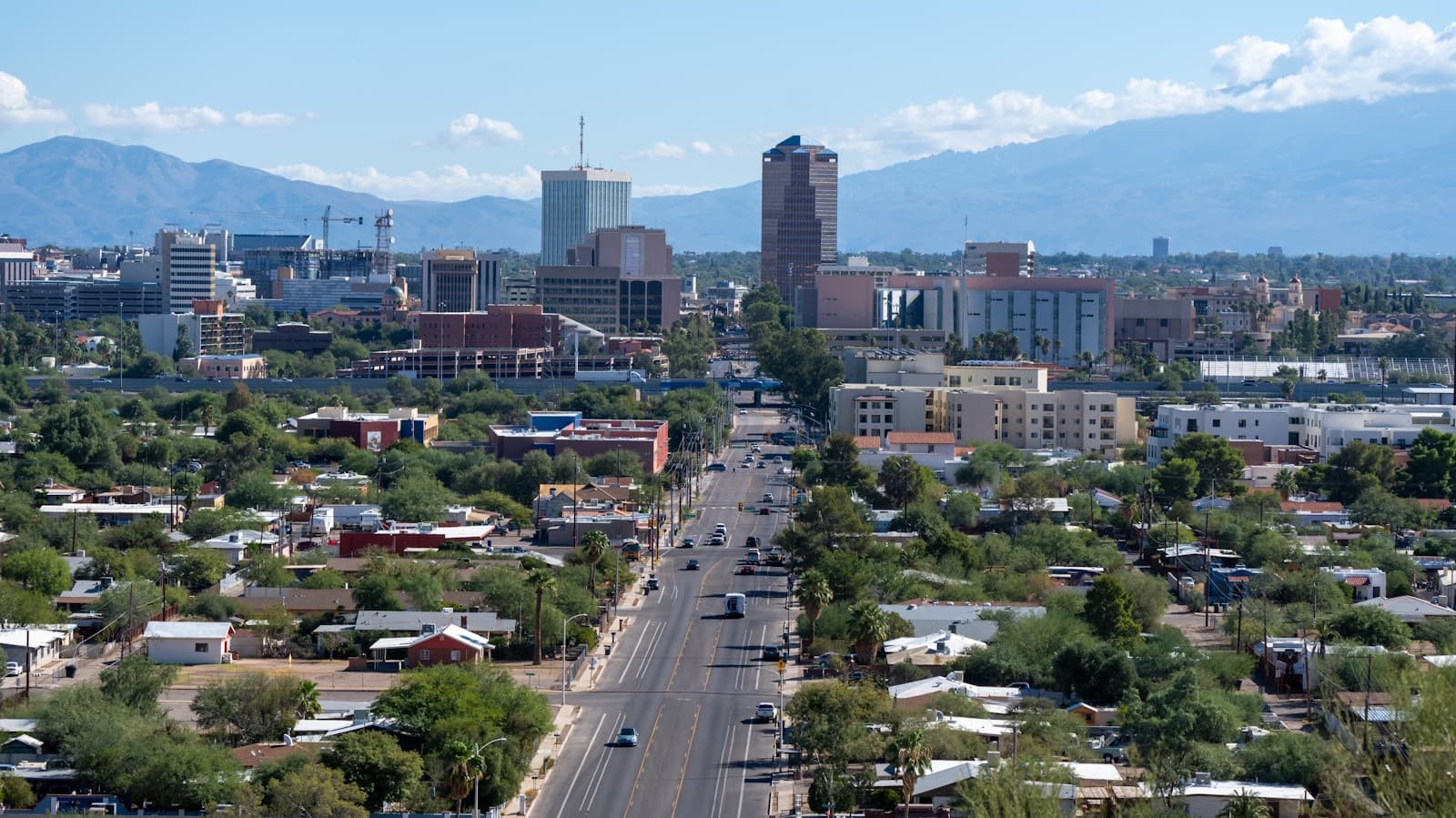
What Affects Rates in Tucson
- The I-10 corridor through central Tucson carries over 200,000 vehicles daily, creating stop-and-go conditions during morning and evening rush hours. Accidents along the Speedway to 22nd Street stretch are frequent, which drives up collision claim rates and premiums for drivers commuting through this zone. If you live near the university or midtown and use I-10 regularly, insurers factor this higher accident exposure into your rate.
- Tucson consistently ranks among Arizona's highest cities for auto theft, particularly in south-side neighborhoods and areas near major transit points like the I-10/I-19 interchange. Comprehensive coverage—which covers theft—costs more here than in suburban Gilbert or Chandler because claim frequency is higher. Older pickups and SUVs are frequent targets, so if you're insuring a used truck, expect comprehensive premiums to reflect this risk.
- Summer monsoon storms bring flash flooding, hail, and blowing dust that reduce visibility and cause multi-vehicle pileups, especially on open highways like I-19 toward Nogales. Comprehensive coverage pays for hail and flood damage, while collision covers accidents during low-visibility dust storms. These seasonal weather events increase claim activity from June through September, contributing to Tucson's higher-than-average rates year-round.
- Drivers in central Tucson neighborhoods like Sam Hughes or El Presidio pay 20–30% more than those in northwest suburban areas like Oro Valley or Marana due to higher traffic density and theft. Your ZIP code matters—insurers use neighborhood-level data on accidents, vandalism, and theft when calculating your premium. Moving just a few miles from downtown to a quieter edge of the metro can lower your rate significantly.
- If you're under 25 or getting your first solo policy, Tucson insurers view you as higher risk due to lack of driving history and higher accident rates among new drivers in dense urban traffic. Expect rates 40–60% above what an experienced driver pays, even with the same coverage. Many carriers offer discounts for completing defensive driving courses or maintaining continuous coverage for six months, which can help reduce costs over time.
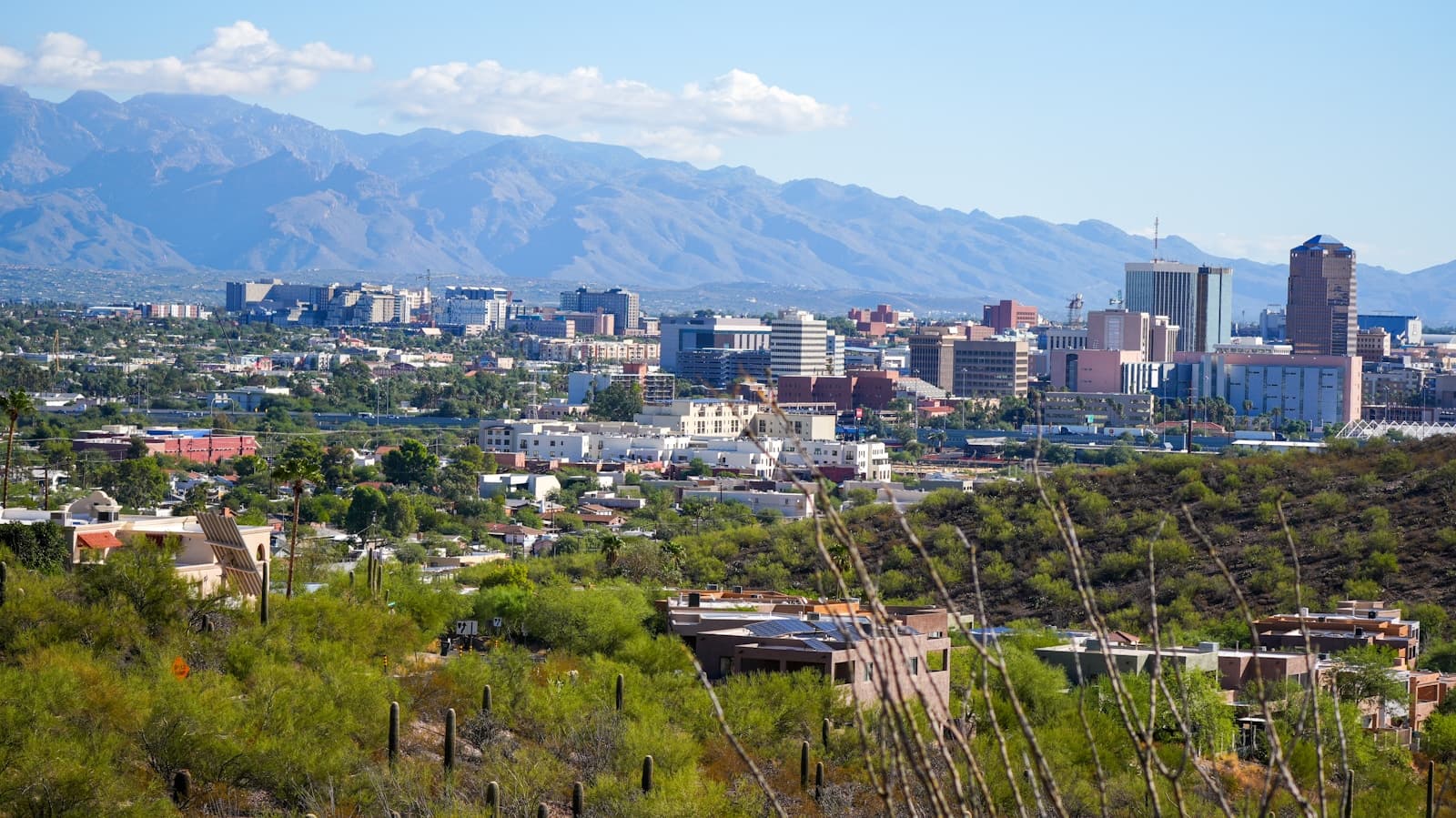
Compare car insurance for first-time drivers
Rates are high for new drivers — but the right carrier and discounts can make a real difference.
Get Your Free QuoteCoverage Recommendations
Cost estimates are based on available industry data and vary by driver profile. These are not insurance quotes.
Liability Insurance
High accident rates on I-10 and surface streets near the university mean liability claims are common, making this the most important coverage for first-time Tucson drivers.
$85–$140/moEstimated range only. Not a quote.
Full Coverage
Essential if you're financing a vehicle or live in higher-theft neighborhoods like south Tucson, where comprehensive claims are frequent.
$185–$310/moEstimated range only. Not a quote.
Comprehensive Coverage
Tucson's high auto theft rates and summer monsoon hail make comprehensive coverage a smart choice even if your car is paid off.
$55–$95/moEstimated range only. Not a quote.
Collision Coverage
Congestion on I-10 and monsoon-related visibility crashes make collision coverage valuable for navigating Tucson's traffic patterns safely.
$90–$150/moEstimated range only. Not a quote.
Uninsured Motorist Coverage
Arizona has a moderate uninsured driver rate, and this coverage is especially relevant in Tucson where cross-border traffic and economic diversity mean not all drivers carry adequate limits.
$20–$40/moEstimated range only. Not a quote.