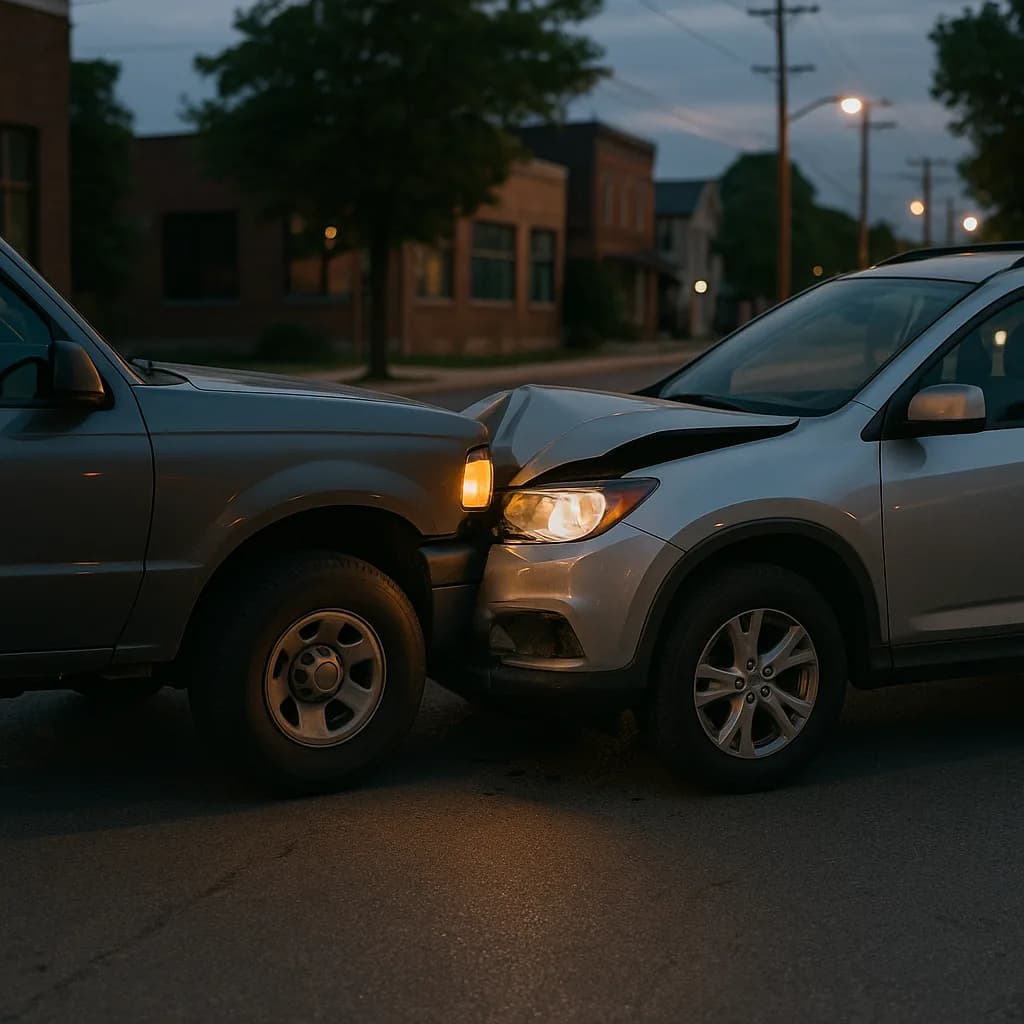
Most new drivers add rental reimbursement without knowing the cost-per-use math — here's how to calculate whether you'll actually benefit from this coverage before your first renewal.
Why rental reimbursement costs more than you'll use
Rental reimbursement coverage typically costs $15 to $25 per month and pays $30 to $40 per day for a rental car while yours is being repaired after a covered claim. That sounds reasonable until you do the actual math: if you pay $20/month for coverage that provides $35/day and you file one claim requiring a 5-day rental during your policy year, you've paid $240 in premiums to receive $175 in rental benefit. You're out $65.
The coverage only becomes cost-effective if you file multiple claims in a single policy year or if a single repair takes longer than 12 days — scenarios that are statistically rare for new drivers who typically drive lower-mileage vehicles and have shorter repair timelines. Industry data shows that drivers under 25 file an average of 0.3 comprehensive or collision claims per year, meaning most new drivers will pay for this coverage across three policy years before filing a single claim that triggers it.
The value equation changes entirely if you're driving a financed vehicle where gap coverage or loan requirements mandate continuous transportation, or if you have no alternative vehicle access and a single day without a car would cost you your job. For those specific situations, the monthly cost becomes genuine risk transfer rather than expensive peace of mind.
What rental reimbursement actually covers (and the gaps new drivers miss)
Rental reimbursement — sometimes called rental car coverage or transportation expense coverage — pays for a rental vehicle when your car is undriveable due to a covered collision or comprehensive claim. The key limitation: it only activates after a claim you've already filed under your own policy, not after an at-fault accident where the other driver's liability insurance should cover your rental.
Most policies offer tiered daily limits: $30/day with a $900 total limit, $40/day with a $1,200 limit, or $50/day with a $1,500 limit. The total limit matters more than the daily rate because repair timelines for modern vehicles often stretch 10 to 15 days due to parts delays. A $30/day policy maxes out after 30 days, but most claims close long before that threshold.
The coverage does not apply if your car breaks down due to mechanical failure, if you're waiting on routine maintenance, or if your vehicle is driveable but cosmetically damaged. It also won't cover a rental if you're in an accident caused by another driver and their insurance accepts liability — in that scenario, you'd file a claim against their policy, not yours, and their liability coverage would handle your rental expenses directly.
Compare car insurance for first-time drivers
Rates are high for new drivers — but the right carrier and discounts can make a real difference.
Get Your Free Quote✓ New Driver Specialists✓ No Obligation✓ Licensed Carriers✓ All 50 States
The cost breakdown: what new drivers actually pay
New drivers under 25 typically pay between $18 and $28 per month to add rental reimbursement to a full-coverage policy, with variation based on vehicle value, location, and the daily limit selected. A driver in Ohio adding $35/day rental coverage to a policy on a 2018 sedan might pay $22/month, while the same driver in Florida could pay $26/month due to higher claim frequency and longer repair times in that state.
That monthly cost compounds across a six-month policy term to $132 to $168 per term, or $264 to $336 annually. Compare that to the actual rental expense: if you have one covered claim requiring an 8-day rental at the standard enterprise rate of $45/day, the out-of-pocket cost without coverage would be $360. The coverage pays $280 (8 days × $35/day limit), leaving you responsible for the $80 difference between your policy limit and the actual rental rate — plus you've already paid $264 in premiums across the year.
The math shifts slightly if you're adding rental coverage to a liability-only policy rather than full coverage. Some carriers allow this, but many restrict rental reimbursement to policies that already include collision and comprehensive coverage since those are the claim types that trigger rental benefits. If you're carrying liability-only coverage, rental reimbursement typically isn't available as a standalone addition.
When new drivers should actually buy this coverage
Buy rental reimbursement if you're financing a vehicle worth more than $15,000 and have no backup transportation — the cost of missing work or school during a 10-day repair likely exceeds the annual premium. Skip it if you're driving a car worth less than $8,000, have access to a family vehicle, or live within reliable public transit distance of work or school.
The coverage makes sense in three specific scenarios: you're the sole vehicle in a household where loss of transportation creates income risk, you're driving a leased vehicle where the lease agreement may require continuous coverage, or you've already filed one claim this policy year and the probability of a second claim justifies the remaining term cost. In that last case, the second claim turns the coverage cost-positive since you've already absorbed the sunk premium cost.
If you're in your first six months of driving and statistically more likely to file a claim due to inexperience, the coverage still doesn't pencil out unless you genuinely have zero alternative transportation. The elevated risk of a claim for new drivers is already priced into your base premium — adding rental coverage on top of that inflated rate means you're paying a risk-adjusted price for a benefit you'll statistically use once every three years. Most new drivers are better served by setting aside the $20 to $25 monthly premium into a dedicated savings buffer that covers emergency rental costs if they actually materialize.
How to reduce rental costs without buying the coverage
If another driver is at fault for an accident, file the claim directly with their insurance company rather than your own — their liability coverage must provide you a rental at no cost to you while your car is repaired, with no daily limit or policy cap. This is called a third-party claim, and it bypasses your own policy entirely, meaning no deductible, no premium increase, and no restriction on rental duration as long as repairs are ongoing.
Most credit cards offer rental car collision coverage as a cardholder benefit when you rent using that card, which can reduce your out-of-pocket cost if you're paying for a rental after a claim. Check your card agreement for daily limits and exclusions — some cards exclude rentals longer than 15 consecutive days or rentals in certain states. This doesn't replace the need for liability coverage on the rental itself, which most rental companies require you to purchase or prove through your own auto policy.
If you do need a rental after filing your own collision or comprehensive claim and you don't carry rental reimbursement, negotiate directly with the repair shop on timeline. Some shops offer loaner vehicles at no cost for repairs expected to exceed one week, particularly if you're using a dealership service center for a financed vehicle. Ask before approving the repair estimate — once the car is disassembled, your negotiating position disappears.
What happens if you add it mid-policy versus at renewal
You can add rental reimbursement coverage at any point during your policy term by contacting your insurer and requesting an endorsement, but the coverage won't apply to claims that occurred before the endorsement effective date — meaning you can't add it retroactively after an accident has already happened. The pro-rated premium for the remaining term will be added to your next billing cycle, typically within 3 to 10 business days of the request.
Adding coverage mid-term makes sense only if your circumstances have legitimately changed: you've switched from a two-car household to a one-car household, you've started a job where missing a single day creates termination risk, or your vehicle value has increased due to a recent purchase. Adding it speculatively after a fender-bender in hopes of coverage for the next claim is a waste of premium since the current claim won't be covered and your rate is about to increase at renewal anyway.
At renewal, your insurer will typically auto-renew any optional coverage you carried during the expiring term unless you explicitly request removal. If you added rental reimbursement during your first policy term and didn't use it, review whether your transportation risk has actually decreased — if you've added a second vehicle to your household, moved closer to work, or shifted to remote work, removing the coverage at renewal saves $240 to $336 annually without increasing your actual exposure.