Most new drivers assume they need a car before getting insurance, but non-owner policies let you build a rate history and meet state requirements months before you buy — often saving 10-20% on your first standard policy.
What Non-Owner Insurance Actually Covers
Non-owner car insurance is liability coverage that follows you, not a specific vehicle. It pays for injuries and property damage you cause while driving someone else's car, a rental, or a car-sharing vehicle. The policy activates only when the vehicle owner's insurance doesn't apply or reaches its limits.
A typical non-owner policy includes state-minimum liability limits — often 25/50/25 in most states, meaning $25,000 per person for injuries, $50,000 per accident, and $25,000 for property damage. You can purchase higher limits, and you should if you have assets to protect. The policy costs substantially less than standard insurance because it carries no collision or comprehensive coverage and the insurer assumes lower risk when you don't own a vehicle.
What non-owner insurance does not cover: damage to the car you're driving, your own injuries, or situations where you have regular access to a household vehicle. If you live with parents who own a car you drive regularly, insurers will require you to be added to their policy as a named driver instead.
Why New Drivers Buy Non-Owner Policies Before Getting a Car
Insurance companies penalize coverage gaps aggressively. A new driver who gets their license and waits six months to buy their first car will face rates 15-25% higher than someone who maintained continuous coverage during that same period, even through a non-owner policy. Insurers view any gap in coverage as elevated risk, and the penalty compounds with youth — drivers under 25 already pay 2-3 times the national average.
The rate-building benefit works because non-owner policies create an insurance history. When you apply for standard coverage after buying a car, insurers verify prior coverage dates. Six months of non-owner insurance demonstrates responsibility and eliminates the high-risk "first-time insured" classification, even though you didn't own a vehicle. Industry data suggests this continuous history can reduce your first standard policy premium by approximately 10-20% compared to starting coverage the day you buy the car.
Beyond rate optimization, three situations make non-owner coverage necessary before car ownership: you need to file an SR-22 or FR-44 after a license suspension, you rent cars frequently for work or travel, or your state requires insurance to maintain a valid license even without a registered vehicle.
Compare car insurance for first-time drivers
Rates are high for new drivers — but the right carrier and discounts can make a real difference.
Get Your Free Quote✓ New Driver Specialists✓ No Obligation✓ Licensed Carriers✓ All 50 States
How Much Non-Owner Insurance Costs for New Drivers
Non-owner policies typically cost between $20-$50 per month for drivers under 25 with clean records. That's 60-75% less expensive than standard coverage on an owned vehicle, which averages $180-$350 per month for new drivers depending on location and vehicle type.
Your actual rate depends on four factors: your age and years licensed, your location (urban areas cost more), your coverage limits (state minimums are cheapest but may not provide adequate protection), and your violation history. A 19-year-old with a speeding ticket in Los Angeles will pay toward the higher end of the range, while a 23-year-old with no incidents in a rural area pays closer to the minimum.
SR-22 or FR-44 filings add $15-$25 per month to non-owner policies. These are certificate requirements filed by your insurer with the state after certain violations — usually DUIs, multiple at-fault accidents, or driving without insurance. If you need to maintain an SR-22 but don't own a car, a non-owner policy is often the only way to satisfy the filing requirement and reinstate your license.
Where to Buy Non-Owner Coverage and What to Ask For
Not all insurers offer non-owner policies, and many don't advertise them prominently. The carriers most likely to write non-owner coverage include Progressive, GEICO, State Farm, Nationwide, and The General. Regional insurers and non-standard carriers often provide competitive rates for drivers who need SR-22 filings or have recent violations.
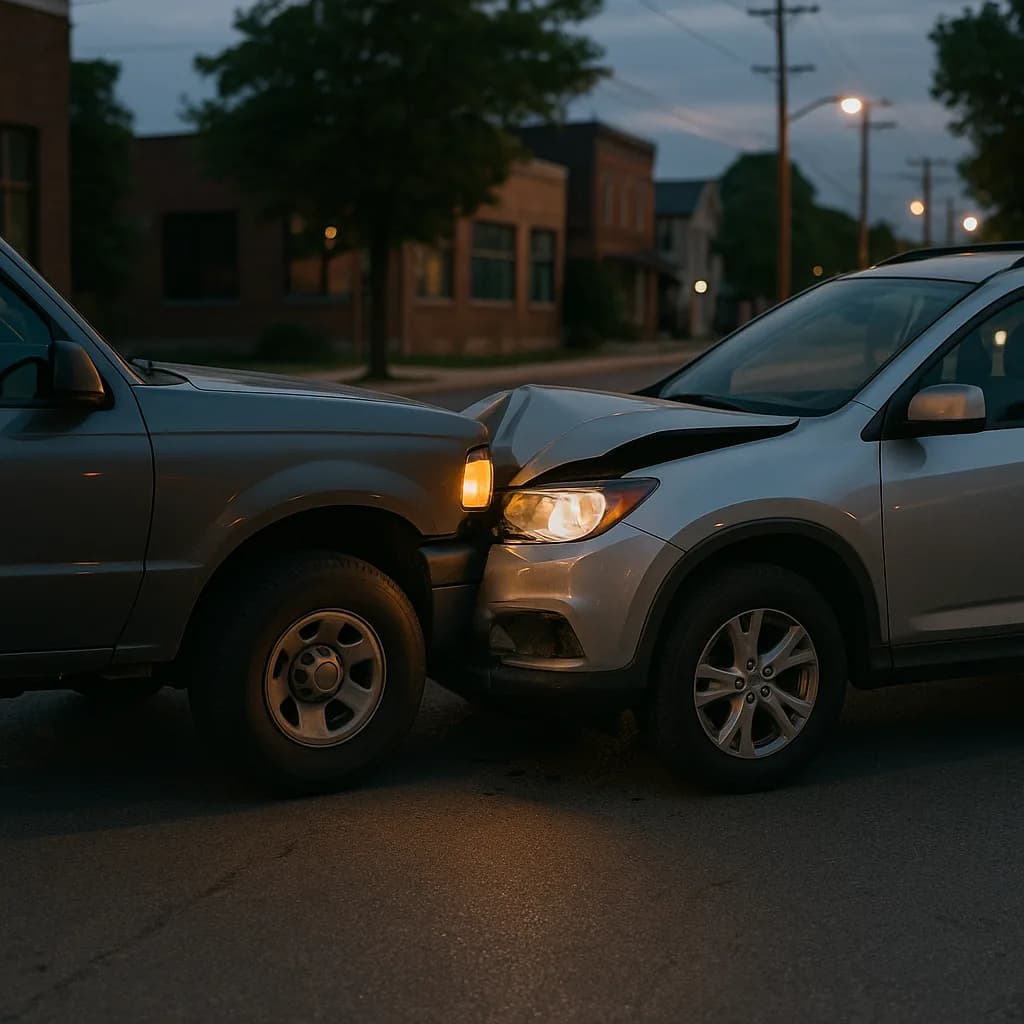
When requesting quotes, specify that you need a non-owner policy and state whether you need an SR-22 or FR-44 filing. Ask explicitly about coverage limits — don't accept state minimums without understanding what they mean. If you cause an accident that results in $60,000 in medical bills but carry only $25,000 per person in coverage, you're personally liable for the $35,000 difference. Increasing liability limits from 25/50/25 to 100/300/100 typically adds only $5-$15 per month.
The application process takes 10-20 minutes and coverage can start the same day. You'll need your driver's license number, Social Security number, and details about any violations or accidents in the past 3-5 years. If you're adding an SR-22, expect the filing to process within 24-48 hours, though some states accept electronic filing instantly.
When to Switch from Non-Owner to Standard Coverage
Cancel your non-owner policy the same day your standard policy begins on your newly purchased vehicle — not before. Even a single-day gap in coverage will trigger the "lapse" penalty on your new policy, erasing the rate benefit you built. Coordinate the effective dates so coverage transitions without overlap or interruption.
Most insurers allow you to convert or transfer your non-owner policy to a standard policy when you buy a car, maintaining your policy start date and preserving the continuous coverage history. Call your insurer 3-5 days before purchasing the vehicle to add it to your policy. You'll need the vehicle identification number (VIN), purchase date, and lienholder information if you're financing. The insurer will quote the new rate and adjust your billing automatically.
If your non-owner insurer doesn't offer competitive rates for standard coverage, shop other carriers but time the switch carefully. Apply for the new policy to start on your purchase date or the day your non-owner coverage ends. Provide proof of prior coverage — typically a declarations page or coverage letter from your current insurer — to the new carrier within 30 days to secure the continuous coverage discount.
Common Mistakes New Drivers Make with Non-Owner Policies
The most expensive mistake is assuming a non-owner policy covers a car you drive regularly. If you live with family members and drive their vehicle more than a few times per month, you must be listed as a driver on their policy. Using a non-owner policy to avoid being added to a household policy is considered misrepresentation — the insurer can deny claims and cancel coverage if they discover regular access to a household vehicle.
Another frequent error is buying state-minimum limits to save $10-$15 per month without understanding the liability exposure. Medical costs from even a moderate-speed accident routinely exceed $50,000, and property damage to newer vehicles can reach $30,000-$40,000. If you cause a serious accident with minimal coverage, wage garnishment and asset seizure can follow the judgment. The marginal cost of higher limits is almost always worth the protection.
Finally, many new drivers let their non-owner policy lapse during the months before buying a car, assuming they can restart it anytime. Every lapse resets your coverage history and triggers the high-risk penalty. If budget is tight, maintain at least state-minimum coverage continuously — you can increase limits later when you buy the vehicle and convert to standard coverage.