Most learner's permit holders don't need non-owner insurance — but a specific group of new drivers absolutely does. Here's how to know which category you're in and what it costs.
When Non-Owner Insurance Makes Sense During the Learning Phase
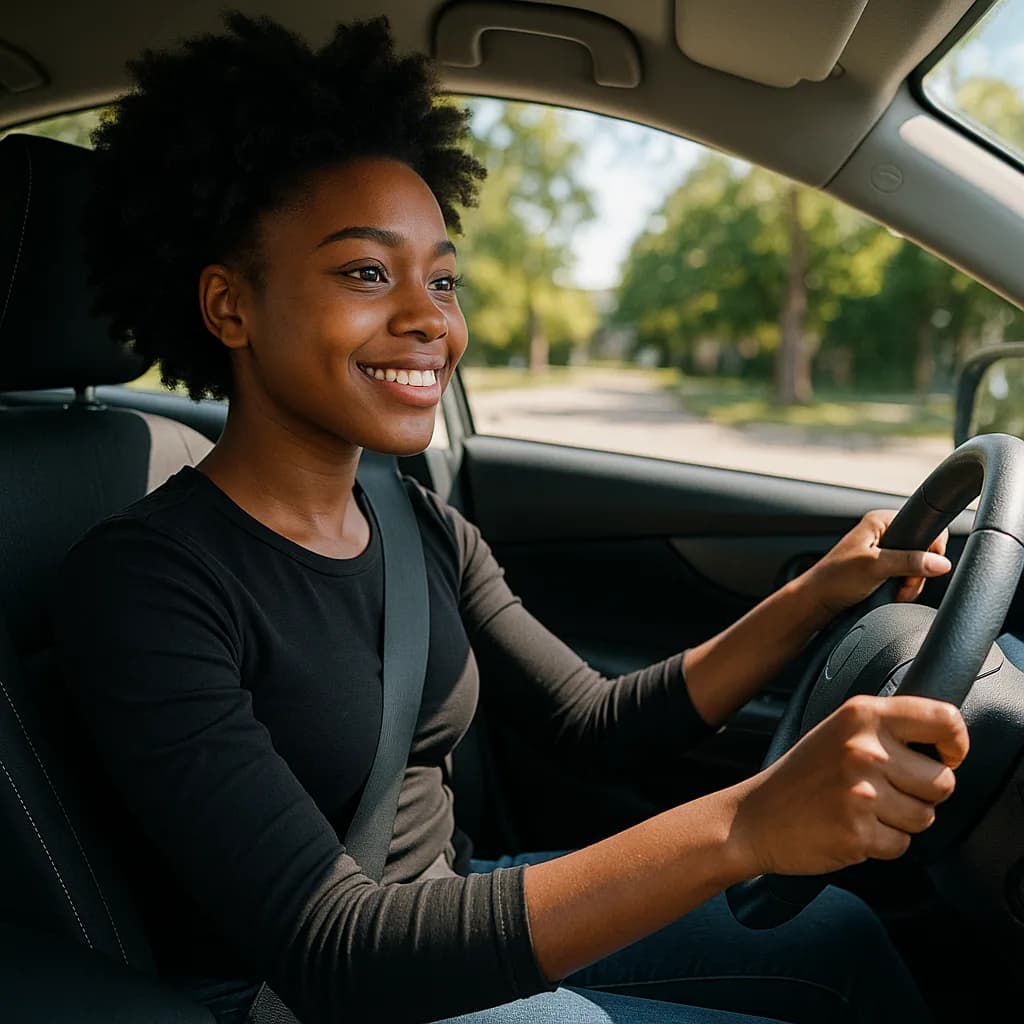
You've just gotten your learner's permit and started hearing about non-owner car insurance — usually from a well-meaning friend or forum post. The truth is that most permit holders practicing on a parent's or household member's car don't need it, because you're already covered under their policy as a household resident with permission to drive. The carrier knows you're learning, and their policy extends to authorized drivers in the household.
Non-owner insurance becomes necessary in three specific situations: you're a permit holder living independently (common for adults getting licensed later), you're between policies and need to maintain continuous coverage to avoid rate penalties, or you're practicing on vehicles owned by people outside your household who won't add you to their policy. If you're a 16-year-old living at home and borrowing your parent's car to practice, you don't fall into any of these categories — and buying non-owner coverage would mean paying twice for the same protection.
The coverage gap appears when you move from permit to full license. Many new drivers assume they can wait until they buy a car to get insurance, but that gap in coverage history typically increases first-car premiums by 15–25% compared to drivers who maintained continuous coverage. Non-owner insurance closes that gap for learners who won't have immediate vehicle access after licensing.
What Non-Owner Policies Actually Cover While You're Learning
A non-owner car insurance policy provides liability coverage — meaning it pays for damage and injuries you cause to others while driving a borrowed vehicle. The policy does not cover damage to the car you're driving (that's the vehicle owner's responsibility through their collision coverage) and doesn't cover your own injuries (that comes from the owner's policy or your health insurance).
Typical non-owner policies for permit holders carry state minimum liability limits, which in most states means 25/50/25 coverage: $25,000 per person for injuries, $50,000 per accident, and $25,000 for property damage. These minimums satisfy licensing requirements but offer thin protection if you cause a serious accident during practice driving. Increasing to 100/300/100 limits typically adds $15–30/mo to the base cost but provides substantially more protection.
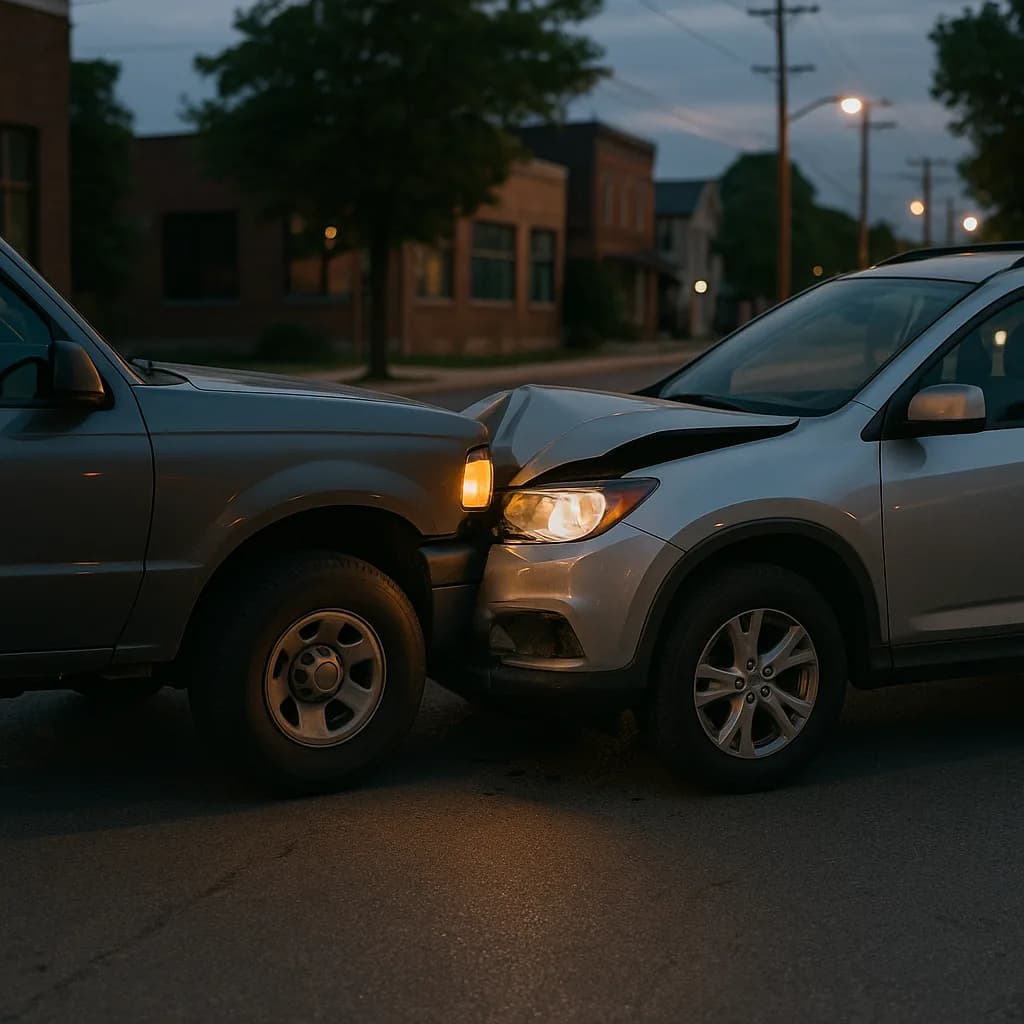
The policy functions as secondary coverage when you drive someone else's vehicle. If you're at fault in an accident, the vehicle owner's insurance responds first, and your non-owner policy covers costs that exceed their limits or fills gaps if they're underinsured. This layering matters most when borrowing vehicles from friends or extended family who may carry only minimum coverage themselves.
Compare car insurance for first-time drivers
Rates are high for new drivers — but the right carrier and discounts can make a real difference.
Get Your Free Quote✓ New Driver Specialists✓ No Obligation✓ Licensed Carriers✓ All 50 States
Cost Breakdown: What Permit Holders Actually Pay
Non-owner car insurance for permit holders typically costs $30–65/mo depending on age, location, and driving record status. A 16-year-old permit holder in a major metro area generally pays $50–65/mo, while an adult learner (25+) with no prior insurance lapses pays $30–45/mo. The rate difference reflects actuarial risk: teen permit holders have higher accident rates during the learning period than adult learners.
Geography creates significant variation. A permit holder in Detroit or New Orleans might pay $70–90/mo for the same coverage that costs $35–50/mo in rural Wyoming or Iowa. The difference tracks with state minimum requirements, local accident rates, and the percentage of uninsured drivers in the area — all factors that affect liability exposure even when you're not the primary driver.
Here's the cost comparison that matters: if you're a permit holder who will get licensed in six months and buy a car within 60 days of licensing, maintaining non-owner coverage during those six months costs roughly $240–390 total but typically saves $180–400 on your first year of standard auto insurance by demonstrating continuous coverage. The math works if you're certain you'll need your own policy soon. It doesn't work if you plan to stay on a family policy for years after licensing.
How to Buy Non-Owner Insurance Before You're Fully Licensed
Most major carriers — GEICO, State Farm, Progressive, and Nationwide — sell non-owner policies to permit holders, but not all write them in every state. The application process requires your learner's permit number, your Social Security number for credit-based insurance scoring, and details about your living situation (carriers need to confirm you don't have regular access to a household vehicle, which would require a standard policy instead).
You'll face a verification question during underwriting: Do you have regular access to a specific vehicle? Answer this honestly. If you live with parents who own a car you practice on, the correct answer is yes — and the carrier will direct you to be added to their policy rather than issuing non-owner coverage. Non-owner policies are designed for drivers who borrow different vehicles occasionally, not for learners who use the same family car for every practice session.
The policy activates immediately upon purchase but includes a critical limitation during the permit phase: you must follow all permit restrictions in your state, including having a licensed adult in the vehicle. If you violate permit rules (driving solo, driving after restricted hours), the policy can deny a claim even if you're technically insured. The coverage assumes legal use, and unsupervised permit driving isn't legal use in any state.
The Transition from Permit to License: When Coverage Changes
Your non-owner policy continues without interruption when you upgrade from permit to full license — no new application required. The carrier simply updates your license status in their system, and in most cases, your rate stays flat or drops slightly because you're no longer in the higher-risk learner category. You'll need to submit proof of your new license within 30 days of passing your road test.
The decision point arrives when you buy your first vehicle. Non-owner insurance does not cover cars you own, so you must convert to a standard auto policy within 24 hours of taking ownership. Most carriers allow you to transition your existing non-owner policy to a standard policy immediately, preserving your coverage start date and continuous insurance history. This continuity is the entire reason many permit holders buy non-owner coverage in the first place.
If you get your license but don't buy a vehicle immediately, keeping the non-owner policy active makes sense for as long as you're borrowing cars regularly. The monthly cost is lower than being added as a rated driver on someone else's policy, and it maintains the coverage history that keeps your future rates lower. The break-even point is typically 8–12 months: if you'll definitely buy a car within a year, keep the policy. If vehicle ownership is multiple years away, evaluate whether the coverage continuity benefit justifies the ongoing cost.
Common Mistakes Permit Holders Make With Non-Owner Coverage
The most expensive error is buying non-owner insurance when you're already covered under a household policy. If you live with parents or a spouse who owns a vehicle, most state laws and carrier underwriting rules require you to be listed on their policy — either as a rated driver or an excluded driver. Purchasing a separate non-owner policy doesn't provide additional protection in this scenario; it just means you're paying twice.
Another frequent mistake is assuming non-owner coverage will help you pass a driver's test in a vehicle you don't own. The policy provides liability protection, but most DMVs require the vehicle used for testing to carry its own collision coverage and comprehensive coverage, not just the liability coverage from your non-owner policy. You'll still need to borrow a properly insured vehicle from someone willing to let you use it for the test.
The final pitfall is letting non-owner coverage lapse before buying a vehicle. If you cancel your policy two months before purchasing your first car, you've created a coverage gap that eliminates the rate benefit you were paying to preserve. Carriers typically look back 6–12 months when evaluating prior insurance history, so even a 60-day lapse can cost you the continuous coverage discount you were working toward.