Most new drivers either overpay for coverage they don't need or dangerously underbuy because they're optimizing for the wrong number. Here's how to calculate the right amount based on what you own, not what sounds cheap.
Why State Minimums Are Almost Never Enough
You just got your license, you're looking at quotes, and the state minimum liability insurance costs $140/mo while higher limits cost $210/mo. The $70 difference feels huge when you're already paying more than drivers over 25. But state minimums exist to keep uninsured drivers off the road — not to protect you financially.
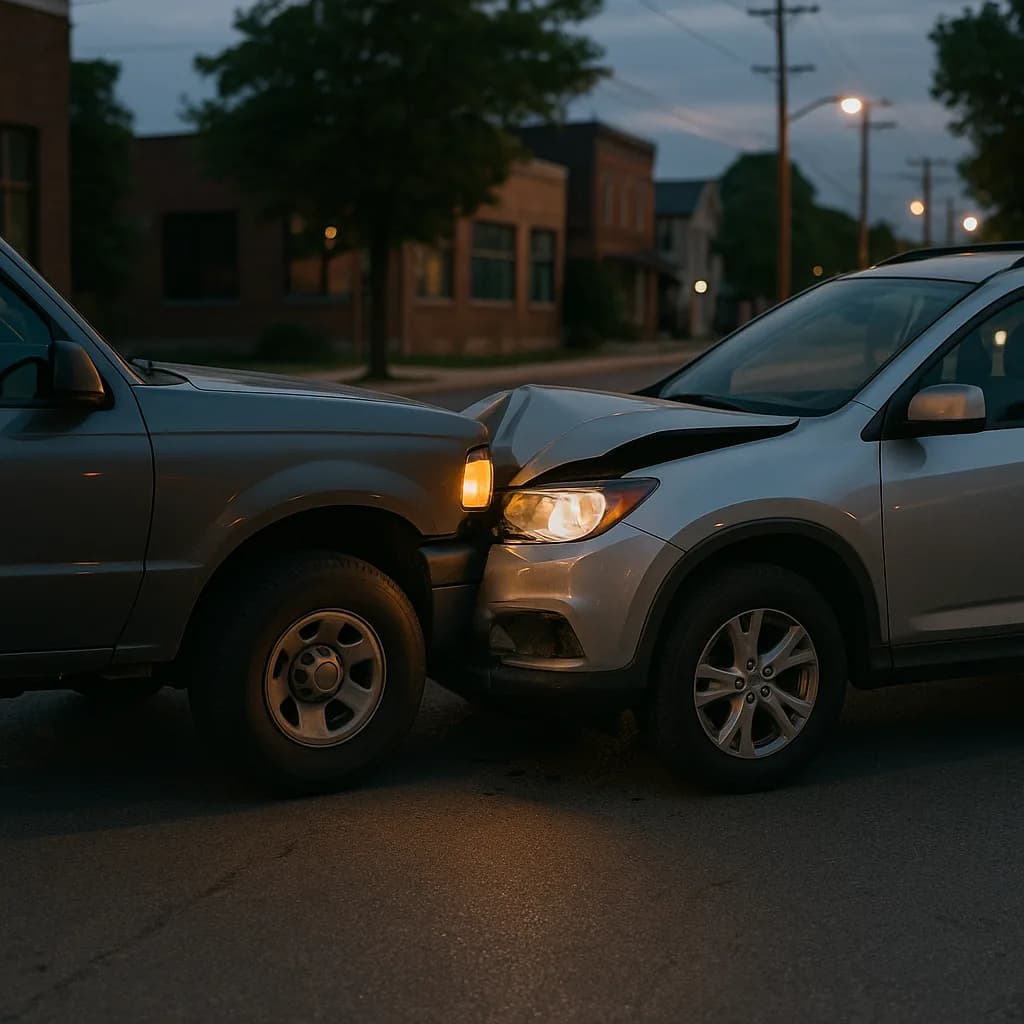
Most states require liability coverage around 25/50/25, which means $25,000 per person for injuries, $50,000 per accident, and $25,000 for property damage. If you cause an accident that totals a $45,000 SUV and injures two people requiring $30,000 each in medical bills, you're personally liable for the $35,000 gap your insurance won't cover. That debt doesn't disappear — it follows you as a judgment, wage garnishment, or settlement plan that can last years.
The better approach: choose liability limits based on what you could lose in a lawsuit. If you have $15,000 in savings, a car worth $8,000, and future earning potential, you need enough coverage to protect those assets. For most new drivers, that means 100/300/100 limits, which typically add $50-80/mo compared to state minimums but prevent catastrophic financial exposure.
Calculating Your Collision and Comprehensive Break-Even Point
Collision coverage pays to repair your car after an accident regardless of fault. Comprehensive coverage pays for theft, vandalism, weather damage, and hitting an animal. Both come with a deductible — the amount you pay before insurance kicks in. A new driver insuring a $6,000 used sedan might pay $95/mo for collision with a $500 deductible, or $65/mo with a $1,000 deductible.
Here's the math most agents won't show you: if collision coverage costs $95/mo and your car is worth $6,000, you'll pay $1,140/year in premiums. After three years, you've paid $3,420 — more than half the car's value — and the car is now worth perhaps $4,200. If you file one claim with a $500 deductible, you'll receive a maximum payout of $3,700, minus the deductible. Your net benefit is $3,200, but your premiums over three years were $3,420. You've lost money, and your rates will increase after the claim.
The break-even rule: drop collision and comprehensive when the annual premium exceeds 10% of your car's current value. For a $6,000 car, that's $600/year or $50/mo. If you're paying more than that, you're better off saving the premium difference in an emergency fund and self-insuring against minor damage. Keep liability coverage at high limits — that protects you from lawsuits — but let the physical damage coverage go once the math stops working.
Compare car insurance for first-time drivers
Rates are high for new drivers — but the right carrier and discounts can make a real difference.
Get Your Free Quote✓ New Driver Specialists✓ No Obligation✓ Licensed Carriers✓ All 50 States
The Three Coverage Decisions That Actually Matter
New drivers face dozens of coverage options, but only three decisions materially affect your financial risk. First: liability limits. Choose based on your assets and future earnings, not your monthly budget. 100/300/100 is the standard recommendation for anyone with more than $25,000 in combined assets and income potential. Anything lower leaves you personally liable in a serious accident.
Second: uninsured motorist coverage. This pays your medical bills and repairs your car when you're hit by someone without insurance. Approximately 13% of drivers nationally are uninsured, and rates exceed 20% in states like Mississippi, Michigan, and Tennessee. If an uninsured driver totals your car, your collision coverage pays for repairs minus your deductible, but uninsured motorist coverage also covers your injuries without affecting your own liability claim history. It typically costs $8-15/mo and is worth carrying at the same limits as your liability coverage.
Third: your deductible amount on collision and comprehensive. A $500 deductible costs roughly $20-35/mo more than a $1,000 deductible. If you have $1,000 in accessible savings, take the higher deductible and bank the monthly difference. You'll break even after filing just one claim, and most new drivers don't file claims frequently enough to justify paying extra every month for a lower out-of-pocket cost they may never use.
Coverage You Can Skip as a New Driver
Rental reimbursement coverage pays $30-40/day for a rental car while yours is being repaired after a covered claim. It costs $8-12/mo. Unless you live somewhere with no public transit and no backup transportation, you'll spend $96-144/year for coverage you might use once. Most repair shops complete work within 3-5 days for minor claims, meaning your total rental benefit is $150-200 against years of premiums.
Roadside assistance through your insurance costs $5-10/mo and covers towing, lockouts, flat tires, and jump-starts. AAA offers identical coverage for $60-90/year and includes additional trip benefits. Your credit card may already include roadside coverage. Check before paying your insurer for duplicate protection.
Gap insurance makes sense only if you financed a new car with less than 20% down. It pays the difference between what you owe on your loan and what your car is worth after a total loss. If you bought a used car with cash or put down a substantial payment, you don't have a gap to insure. Dealers often charge $500-700 for gap coverage you can buy from your insurer for $20-30/year, but most new drivers buying older used cars don't need it at all.
How to Structure Your First Policy
Start with 100/300/100 liability limits. This protects you in any accident serious enough to result in a lawsuit, which is the only scenario that can follow you financially for decades. If your state offers split limits, that's $100,000 per person, $300,000 per accident for bodily injury, and $100,000 for property damage. Some insurers offer combined single limits like $300,000 — verify it meets your state's requirements.
Add uninsured motorist coverage at matching limits. In 19 states this is mandatory, but even where it's optional, it's worth carrying. The cost is low and the financial exposure — being hit by someone with no insurance — is one of the few scenarios your liability coverage won't address.
Choose collision and comprehensive only if your car is worth more than $5,000 and the annual premium is under 10% of its value. Select a deductible you can afford to pay in a genuine emergency — if $1,000 would create a financial crisis, take the $500 deductible and accept the higher premium. Otherwise, choose $1,000 and save the difference.
Skip rental coverage, roadside assistance if you have it elsewhere, and gap insurance unless you owe significantly more than your car's value. Request a policy document before binding coverage and verify every limit matches what the agent quoted. Premium errors are common, and catching them before your policy starts is easier than disputing them later.