Most new drivers focus on liability coverage and miss the gap between what they owe and what their car is worth after driving off the lot — a gap that can cost $5,000–$8,000 after a total loss.
Why New Drivers Face the Largest Gap Between Loan Balance and Car Value
You financed your first car with $2,000 down on a $22,000 vehicle. Your loan balance is $20,000. The moment you drove off the lot, your car's actual cash value dropped to roughly $16,500 — a depreciation of 20–30% in the first year alone. If your car is totaled in month three, your collision coverage pays the car's current value of around $16,000, but you still owe the lender $19,500. That $3,500 difference is the gap, and without gap insurance, you pay it out of pocket while also needing to buy or finance another vehicle.
New drivers typically finance higher percentages of the purchase price because they lack trade-in equity or large down payment savings. Industry data shows first-time buyers put down an average of 6–11% compared to 15–20% for repeat buyers. Longer loan terms — 60 to 72 months — are common for younger buyers seeking lower monthly payments, which means the loan balance decreases more slowly than the vehicle depreciates. The combination creates the widest gap in the first 18 months of ownership.
Young drivers also face higher collision risk during this period. Drivers under 25 are statistically more likely to be in an at-fault accident, and new car owners are still adjusting to their specific vehicle's handling and blind spots. A total loss in the first year isn't rare — it's the exact scenario gap insurance exists to cover. The premium (the monthly or annual cost of the policy) for gap coverage typically runs $20–$40 annually when added to your auto policy, compared to $400–$700 if purchased through the dealership at the time of sale.
What Gap Insurance Covers and What It Doesn't
Gap insurance pays the difference between your car's actual cash value at the time of a total loss and the remaining balance on your loan or lease. Actual cash value is what your collision or comprehensive coverage pays — the market value of your vehicle accounting for age, mileage, and condition. If you owe $18,000 and the insurer pays $13,500, gap insurance covers the $4,500 shortfall so you walk away owing nothing to the lender.
Gap coverage does not pay your deductible (the amount you pay out of pocket before insurance kicks in), any past-due loan payments, late fees, or charges for excess mileage or wear if you're leasing. It also won't cover a down payment on your next vehicle. It only addresses the specific gap between insured value and loan balance. If you made a large down payment or you're several years into the loan with significant equity, you may not have a gap at all — in that case, gap insurance offers no benefit.
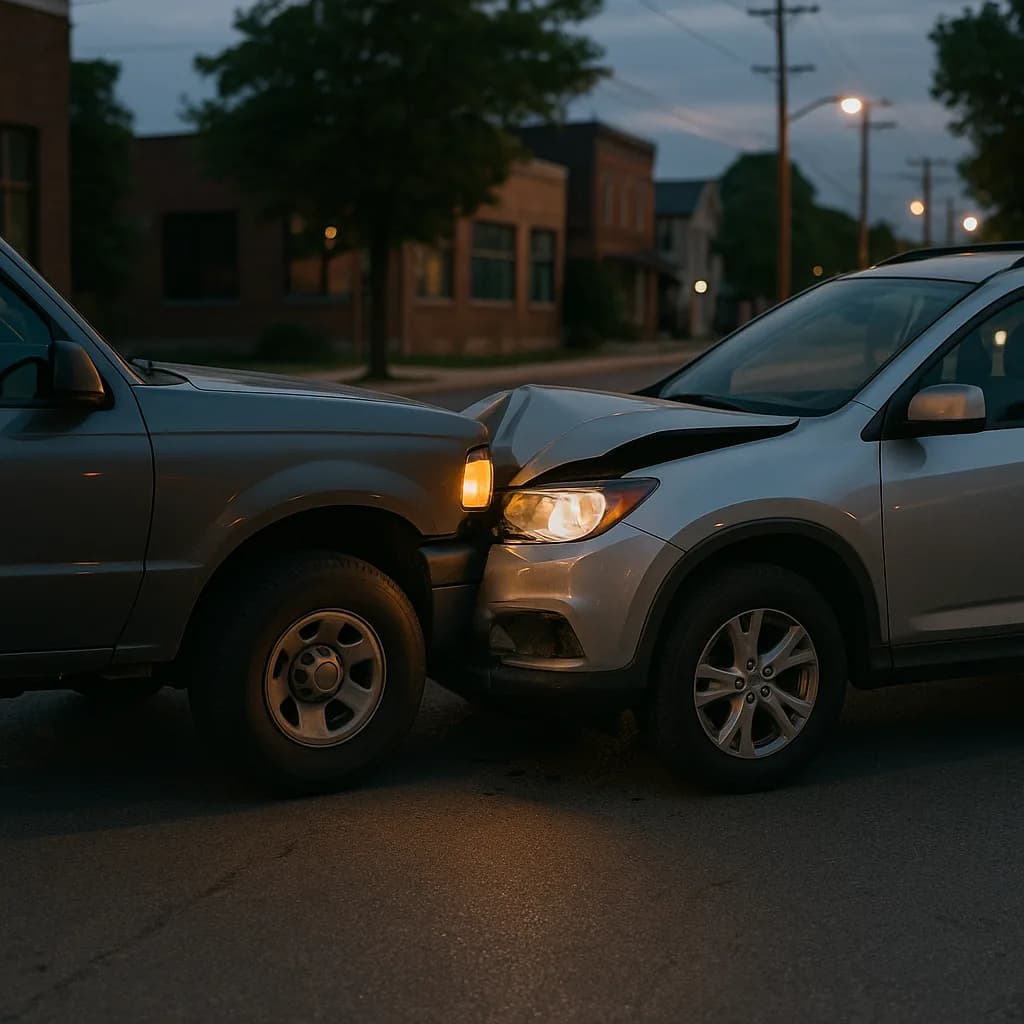
The coverage applies only when your car is declared a total loss, meaning repair costs exceed a certain percentage of the car's value — typically 70–80% depending on the insurer and state. If your car is damaged but repairable, gap insurance doesn't activate. You need both collision coverage and comprehensive coverage in place for gap insurance to function, since those are the coverages that pay actual cash value in a total loss scenario.
Compare car insurance for first-time drivers
Rates are high for new drivers — but the right carrier and discounts can make a real difference.
Get Your Free Quote✓ New Driver Specialists✓ No Obligation✓ Licensed Carriers✓ All 50 States
How Much Gap Insurance Costs and Where to Buy It
Gap insurance purchased through your auto insurer typically costs $20–$40 per year, or roughly $2–$4 per month, when added to an existing policy that already includes collision and comprehensive coverage. This is the most cost-effective option for new drivers. Some insurers offer it as an endorsement; others build it into loan/lease payoff coverage with slightly different terms but similar function.
Dealerships often sell gap insurance at the point of sale for $400–$700 as a one-time charge rolled into your financing. This inflates your loan balance and costs significantly more over the life of the loan when you account for interest. A $500 gap policy financed at 7% over 60 months ends up costing around $594 total. The same coverage through your insurer for three years costs $60–$120. The dealership option is convenient but expensive, and many buyers don't realize they can decline it and purchase the same coverage elsewhere.
Some lenders and credit unions offer gap coverage directly, with pricing that falls between insurer and dealership rates — typically $150–$300 for the term of the loan. If you're financing through a credit union, ask about their gap product before signing. You can also add gap insurance to your auto policy after purchase, as long as your loan balance still exceeds your car's value. Most insurers allow you to add it within the first year of ownership, but the sooner you add it, the more of the high-risk depreciation period you cover.
When Gap Insurance Makes Sense for New Drivers
Gap insurance is essential if you financed more than 90% of your vehicle's purchase price, especially on a new car. It's also critical if your loan term is longer than 48 months, since longer terms mean slower principal paydown and a prolonged period where you're underwater on the loan. If you're leasing, gap coverage is often included in the lease agreement, but confirm this in writing — some lease contracts require you to purchase it separately.
You can skip gap insurance if you made a down payment of 20% or more, if you're financing a used car that has already absorbed most of its depreciation, or if you're more than two years into a loan with significant equity built up. Run the numbers: check your current loan balance through your lender's online portal and compare it to your car's current value using Kelley Blue Book or NADA Guides. If your car's value exceeds your loan balance, you don't have a gap.
New drivers should evaluate gap coverage at purchase and again every 12 months. Once your loan balance drops below your car's value, you can cancel the coverage. If you bought gap insurance through your auto insurer, you can remove it anytime and your premium (monthly cost) will decrease. If you bought it through the dealership and financed it, you may be entitled to a prorated refund if you pay off the loan early or cancel the policy — contact the gap provider directly, not the dealership.
How to Add Gap Insurance to Your Existing Policy
Contact your current auto insurer and ask if they offer gap coverage or loan/lease payoff coverage as an endorsement. Provide your current loan balance and your vehicle's estimated value. The insurer will confirm you have the required collision and comprehensive coverage in place, then add the gap endorsement. The additional premium — typically $20–$40 annually — will appear on your next billing cycle. Most insurers can add it immediately over the phone or through their online portal.
If your insurer doesn't offer gap coverage, compare quotes from carriers that do. Progressive, Nationwide, and Travelers all offer gap or loan/lease payoff coverage, though terminology and coverage caps vary. Some policies cap gap coverage at 25% of the actual cash value, meaning if your car is worth $12,000, the maximum gap payment is $3,000. Read the endorsement terms to confirm the cap won't leave you exposed if your gap is larger.
Document your coverage start date and keep a copy of the endorsement with your loan paperwork. In a total loss scenario, your insurer will pay the actual cash value under your collision or comprehensive coverage first, then the gap insurer (often the same company, different coverage line) pays the remaining balance directly to your lender. You may need to provide a payoff letter from your lender showing the exact balance owed at the time of the loss. The process typically takes 10–20 business days after the total loss claim is settled, but you're not responsible for making loan payments on a totaled vehicle once the gap payment is processed.