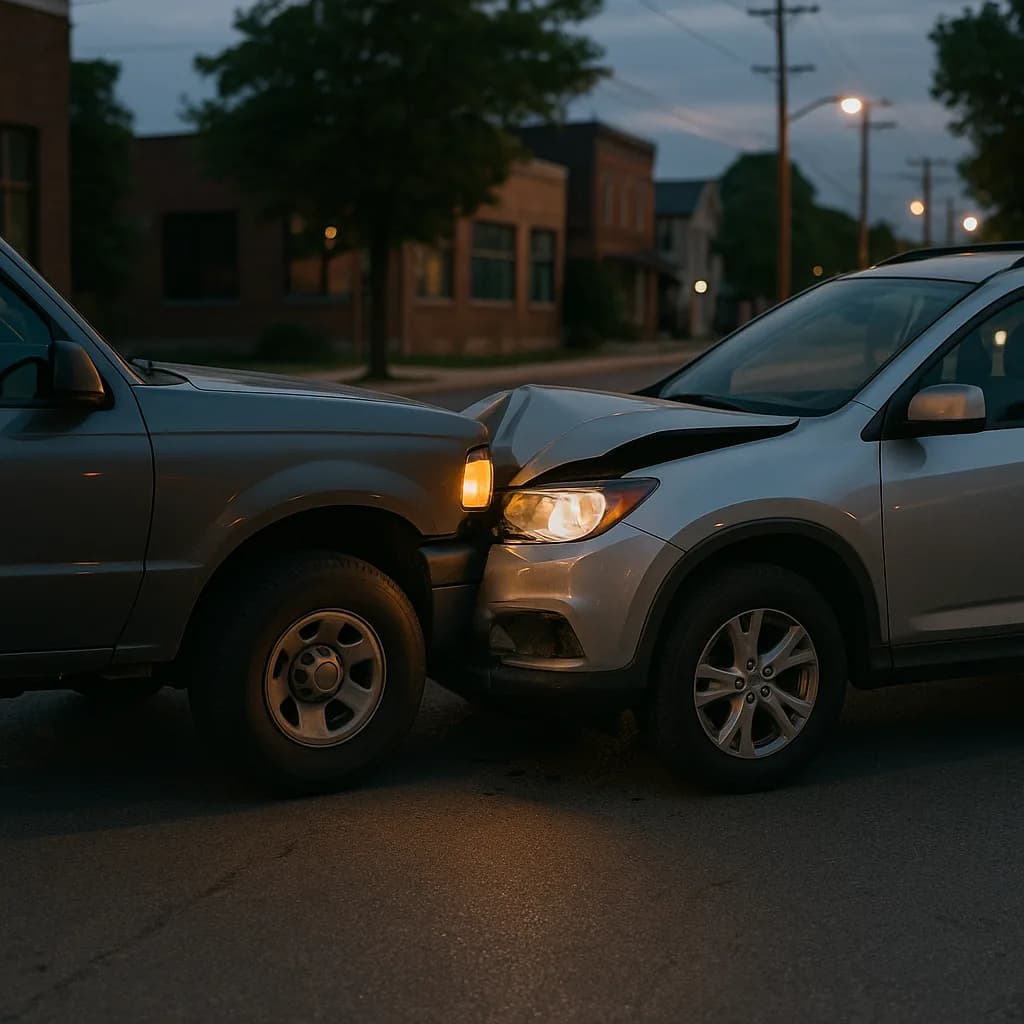
Using your car for delivery, rideshare, or side gigs changes your insurance category — and most new drivers find out only after a claim is denied.
What Insurers Actually Mean by Business Use
Personal auto policies cover commuting, errands, and social driving. The moment you use your car to generate income — whether that's delivering food, driving passengers for pay, or transporting goods for a business — most insurers reclassify your vehicle usage. This isn't about how many hours you drive. It's about why you're driving.
The distinction matters because personal auto policies explicitly exclude commercial activity in their terms. If you get into an accident while logged into a delivery app or transporting a paying passenger, your insurer can deny the claim entirely. For a new driver already paying $200-$350/mo for basic coverage, that denial could mean paying out of pocket for both vehicle damage and liability to other parties.
Insurers categorize business use into tiers. Occasional business use — like visiting client sites a few times per month — typically adds 15-25% to your premium. Regular business use, such as daily deliveries or rideshare driving, often requires a commercial policy or rideshare endorsement that can cost 40-80% more than personal coverage. The key trigger is whether the driving generates revenue, not whether it feels like a "real business" to you.
Common Scenarios New Drivers Misclassify
Food delivery apps like DoorDash, Uber Eats, and Instacart represent the most common misclassification among drivers under 25. Many assume that because they're only logged in a few hours per week, it doesn't qualify as business use. But insurers don't use an hours threshold — they use a revenue threshold. If you're paid to transport anything, even once, you've crossed into business use territory.
Rideshare driving through Uber or Lyft falls into a similar category but with a specific solution. Most states now require rideshare companies to provide coverage while you're actively transporting passengers, but that coverage often includes a $2,500 deductible and doesn't cover the gap periods when you're logged in but haven't accepted a ride yet. A rideshare endorsement on your personal policy typically costs $10-$30/mo and fills those gaps.
Other scenarios that trigger business use: driving for Amazon Flex or other package delivery services, transporting equipment or supplies for a side business, using your car as a mobile workspace for real estate or sales, or regularly driving coworkers to job sites for reimbursement. The last one surprises many new drivers — even carpooling becomes business use if you're paid for it, whether in cash or reduced rent.
Compare car insurance for first-time drivers
Rates are high for new drivers — but the right carrier and discounts can make a real difference.
Get Your Free Quote✓ New Driver Specialists✓ No Obligation✓ Licensed Carriers✓ All 50 States
How Business Use Changes Your Premium
Adding business use to a personal policy typically increases your premium by 15-25% if the use is occasional and clearly defined. For a new driver paying $250/mo, that's an additional $38-$63/mo. The increase reflects higher risk: business driving usually means more miles, more time in traffic, and more exposure to claims.
If your business use is frequent or involves passengers, insurers may require a commercial auto policy instead of just endorsing your personal policy. Commercial policies for drivers under 25 often start at $300-$450/mo for basic liability coverage, though costs vary significantly by state and driving record. That's roughly double what a personal policy costs for the same driver.
Some insurers refuse to cover business use for new drivers at all, forcing you into the non-standard market where premiums can reach $400-$600/mo. This is especially common if you're under 21 or if you've had your license less than one year. The refusal isn't personal — it's actuarial. New drivers already have crash rates 3-4 times higher than experienced drivers, and adding commercial exposure compounds that risk beyond what many standard insurers will accept.
What Happens If You Don't Disclose Business Use
Failing to disclose business use isn't a technicality — it's material misrepresentation. If you file a claim while using your car for business and your insurer discovers the omission, they can deny the claim and rescind your policy retroactively. That means no coverage for the accident, no reimbursement for premiums paid, and a cancellation notation on your insurance record that makes future coverage significantly harder to obtain.
The discovery process is straightforward. After an accident, insurers investigate. They'll pull your phone location data, check whether you were logged into gig apps, review your employment records, and interview witnesses. If you were making a delivery or transporting a passenger, they'll find out. For a new driver, a denied claim on a $15,000 accident could mean years of debt and a suspended license if you can't pay the liability judgment.
Beyond claim denial, intentional misrepresentation can result in fraud charges in some states. California, New York, and Florida specifically prosecute insurance fraud related to vehicle use misclassification. Even without criminal charges, a rescinded policy creates a coverage gap that forces you into high-risk insurance for 3-5 years, often tripling your premium compared to what you'd have paid by disclosing business use upfront.
How to Get Proper Coverage for Business Use
Start by calling your current insurer and asking specifically about business use endorsements or commercial policies. Describe exactly what you'll be doing: delivering food, transporting passengers, hauling equipment. Ask for the premium difference in writing before making a decision. Some insurers offer business use endorsements for $15-$40/mo, while others will immediately route you to commercial lines where quotes start at $300/mo.
If your current insurer won't cover business use or quotes a commercial policy you can't afford, compare quotes from at least three carriers that specialize in gig economy coverage. Progressive, State Farm, and GEICO all offer rideshare endorsements in most states. For delivery work, look at commercial insurers like The Hartford or Nationwide, which offer small business auto policies that accommodate part-time delivery drivers.
For rideshare specifically, get a rideshare endorsement rather than relying solely on the coverage Uber or Lyft provides. The gap coverage — when you're logged in but haven't accepted a ride — is where most claims occur, and the rideshare company's policy often has a $2,500 deductible during that period. A rideshare endorsement typically costs $10-$30/mo and covers you with your regular deductible from the moment you log in. If you're doing delivery work fewer than 10 hours per week, some insurers classify this as "occasional business use" and simply add 15-20% to your premium rather than requiring a full commercial policy.
Questions to Ask Before Accepting a Gig Job
Before you start any paid driving work, confirm three things with your insurer: whether your current policy covers this activity, what additional coverage you need if it doesn't, and exactly how much that coverage will cost per month. Get the answers in writing via email or policy documents — verbal assurances from a phone representative don't hold up if a claim is denied.
Ask the gig company what coverage they provide and when it applies. Rideshare companies typically provide liability coverage only while you're actively transporting a passenger, leaving you exposed during waiting periods. Delivery companies often provide no coverage at all, assuming you're using a commercial policy. Don't assume the app-based coverage is sufficient — read the actual policy documents, which are usually available in the driver portal.
Calculate whether the gig income exceeds the insurance cost increase. If you're making $400/mo from DoorDash but your insurance goes up $100/mo, your actual net income is $300/mo before gas and vehicle wear. For many new drivers, the math doesn't work once proper insurance is factored in. If the income barely covers the insurance increase, the risk exposure may not justify the work.