Most parents add their teen to insurance the day they get their permit — but insurers don't require it yet, and waiting until licensure can save you hundreds in premiums you don't legally need to pay.
When Coverage Actually Becomes Required
Your learner permit itself doesn't trigger a legal insurance requirement in most states. Coverage becomes mandatory when your teen drives without a licensed adult in the car — which a learner permit explicitly prohibits. The requirement kicks in when they receive their provisional or full license and can drive solo, typically 6–12 months after the permit is issued.
This creates a coverage window most families don't realize exists. If your teen only drives with you in the passenger seat during the permit phase, they're operating under your existing policy as an unlicensed household member. The car is covered. You're covered. They're technically covered as a supervised learner under most policies' permissive use language.
The exception: if your insurer specifically asks whether any household members have a learner permit during a policy review or renewal, you must disclose it. Failing to answer truthfully can void coverage if an accident occurs. But if you're not asked, you're not required to volunteer the information until your teen obtains their provisional license.
What Adding a Permit Holder Actually Costs
Adding a 16-year-old with a learner permit to a parent's policy increases premiums by an average of $150–$250 per month, according to rate data from major carriers across 20 states. That's roughly a 50–80% jump from the parent's baseline cost, even though the permit holder can't legally drive alone.
The cost varies significantly by state, insurer, and the parent's existing rate. In Michigan and Florida, where base rates are already high for all drivers, adding a permit holder can push monthly costs up by $300 or more. In states with lower baseline rates like Ohio or Idaho, the increase may stay closer to $120–$180 per month.
Insurers price permit holders almost identically to newly licensed drivers because their risk models assume the permit phase is short. They're pricing for the full year of coverage, anticipating that the learner will obtain their provisional license within months. Some carriers offer a small discount — typically 5–10% — if the teen completes a state-approved driver education course before being added, but the discount rarely offsets the size of the increase.
Compare car insurance for first-time drivers
Rates are high for new drivers — but the right carrier and discounts can make a real difference.
Get Your Free Quote✓ New Driver Specialists✓ No Obligation✓ Licensed Carriers✓ All 50 States
The Risk Calculation Insurers Won't Tell You
Insurers treat learner permit holders as high-risk drivers even though they can't legally drive unsupervised. The pricing reflects two factors: the statistical crash rate for drivers under 18, and the administrative assumption that most permit holders will be licensed within the same policy term.
Drivers aged 16–17 have a crash rate nearly four times higher than drivers aged 25–29, according to data from the Insurance Institute for Highway Safety. Insurers apply that multiplier the moment a teen is added to a policy, regardless of permit vs. license status. The rate doesn't drop meaningfully when the provisional license is issued — it's already priced in.
This is why some families choose to delay adding their teen until licensure. If your teen won't be licensed for 8–10 months and you can confirm your current policy covers supervised learners as household members, delaying the addition can save $1,200–$2,000 in premiums you're not legally required to carry. But this only works if you're certain your insurer doesn't require disclosure during the permit phase — call and ask specifically before making this decision.
What Happens If Your Permit Holder Has an Accident
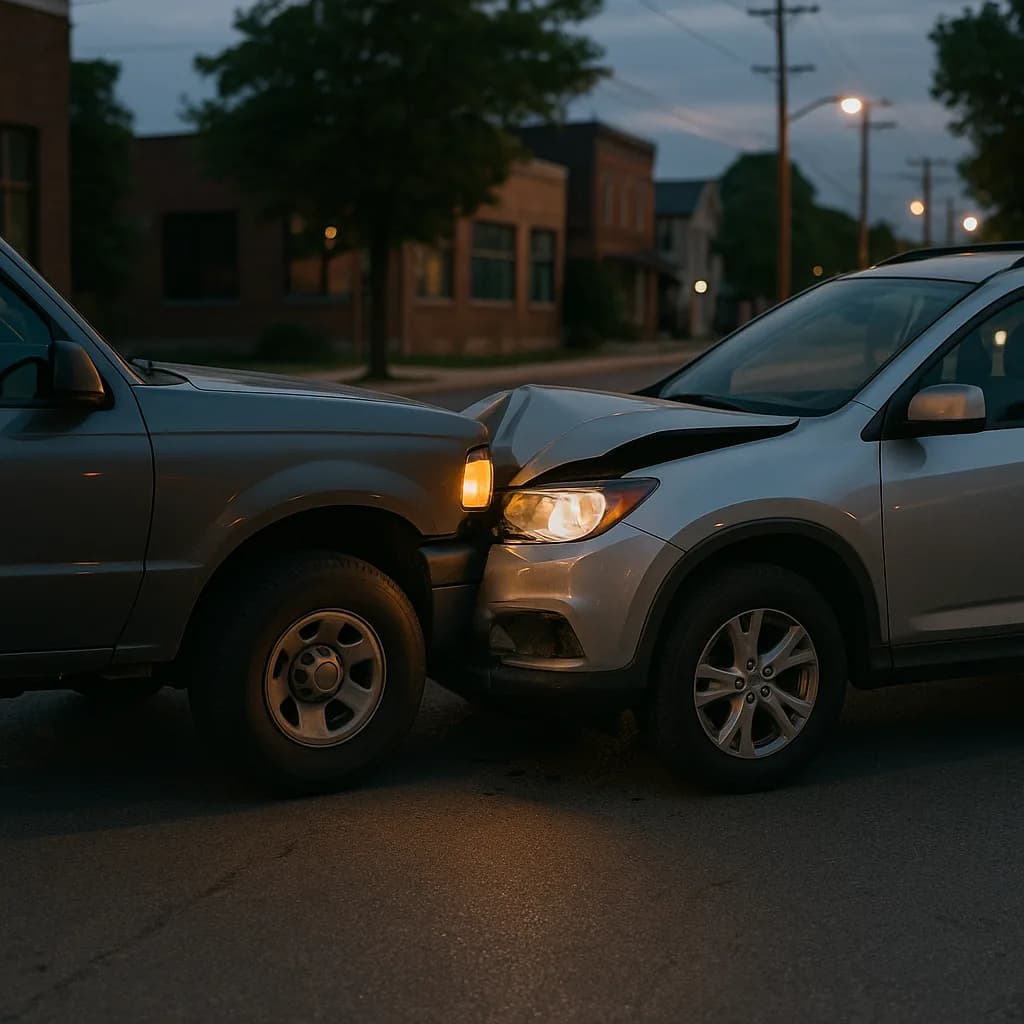
If your teen causes an accident while driving on a learner permit with you in the car, your existing auto policy will typically cover the claim under its permissive use provision. This applies even if you haven't formally added your teen as a listed driver. The car is insured, and your policy extends to anyone you give permission to drive it under supervision.
The claim will appear on your record, not your teen's, because they're not a licensed driver yet. Your rates will likely increase at renewal — typically 20–40% after an at-fault accident — but the claim won't follow your teen to their own future policy. This is one rare advantage of the permit phase: accidents during supervised driving are attributed to the supervising parent's policy.
The risk emerges if your teen was driving without proper supervision at the time of the accident — for example, if the required licensed adult wasn't in the car, or if the supervising driver didn't meet your state's requirements (some states require the supervisor to be 21 or older, or to have held a license for a minimum number of years). In that scenario, the insurer may deny the claim entirely on the grounds that the driver violated permit restrictions, making the use of the vehicle unauthorized.
When You Must Add a Permit Holder Immediately
You must add your teen the day they receive their learner permit if they live in your household and your insurer explicitly requires disclosure of all household members with permits. Some carriers — particularly non-standard insurers and a handful of regional companies — include permit holders in their underwriting questions and require immediate notification.
You also need to add them immediately if your teen will be driving a car titled in their own name, even during the permit phase. If the vehicle is registered to your teen, most insurers require them to be listed as a primary driver on a policy, regardless of license status. This most commonly occurs when a parent gifts or transfers a car to their teen before licensure.
Finally, if your teen will be practicing with a driver other than a parent or household member — such as a driving instructor using the family car, or a grandparent supervising practice sessions — some insurers require the teen to be listed. The permissive use provision may not extend to non-household supervisors in all policies. If you're unsure, request a written confirmation from your insurer that supervised driving with non-household adults is covered without formally adding your teen. For most families starting the licensing process, comparing coverage options now can clarify what you'll actually pay once your teen is fully licensed: compare quotes for young drivers.
How to Lower Costs Once You Do Add Them
Once your teen must be added — either because your insurer requires it or because they've received their provisional license — three strategies consistently reduce the monthly increase: good student discounts, driver training credits, and vehicle assignment.
The good student discount, available from nearly every major carrier, reduces rates by 10–25% if your teen maintains a B average or 3.0 GPA. You'll need to provide a report card or transcript, and the discount typically requires annual recertification. This is the single largest discount available to young drivers and can save $30–$60 per month.
Completing an approved driver education course can earn an additional 5–15% discount with many insurers, and some states require it for provisional licensure anyway. The discount stacks with the good student discount in most cases, though the combined savings rarely exceed 30% of the base increase.
Vehicle assignment matters more than most families realize. If you have multiple cars, listing your teen as the primary driver of the oldest, lowest-value vehicle in your household can reduce the collision and comprehensive premiums associated with their portion of the policy. Assigning them to a newer, higher-value car increases costs significantly because the insurer assumes higher repair or replacement costs in the event of a claim.