Most rideshare and delivery platforms won't tell you about the coverage gap between accepting a ride and picking up your passenger — but your insurer will after a claim denial.
Why Your Current Policy Won't Cover Your First Delivery
Your personal auto insurance policy contains a commercial use exclusion that voids coverage the moment you turn on a rideshare or delivery app with the intent to accept paid trips. This isn't a rate increase or a surcharge — it's a complete denial of coverage if you file a claim while logged into Uber, DoorDash, Lyft, or any gig platform without the proper endorsement. The exclusion applies whether you have a passenger in the car or not, and it appears in nearly every standard personal auto policy issued in the United States.
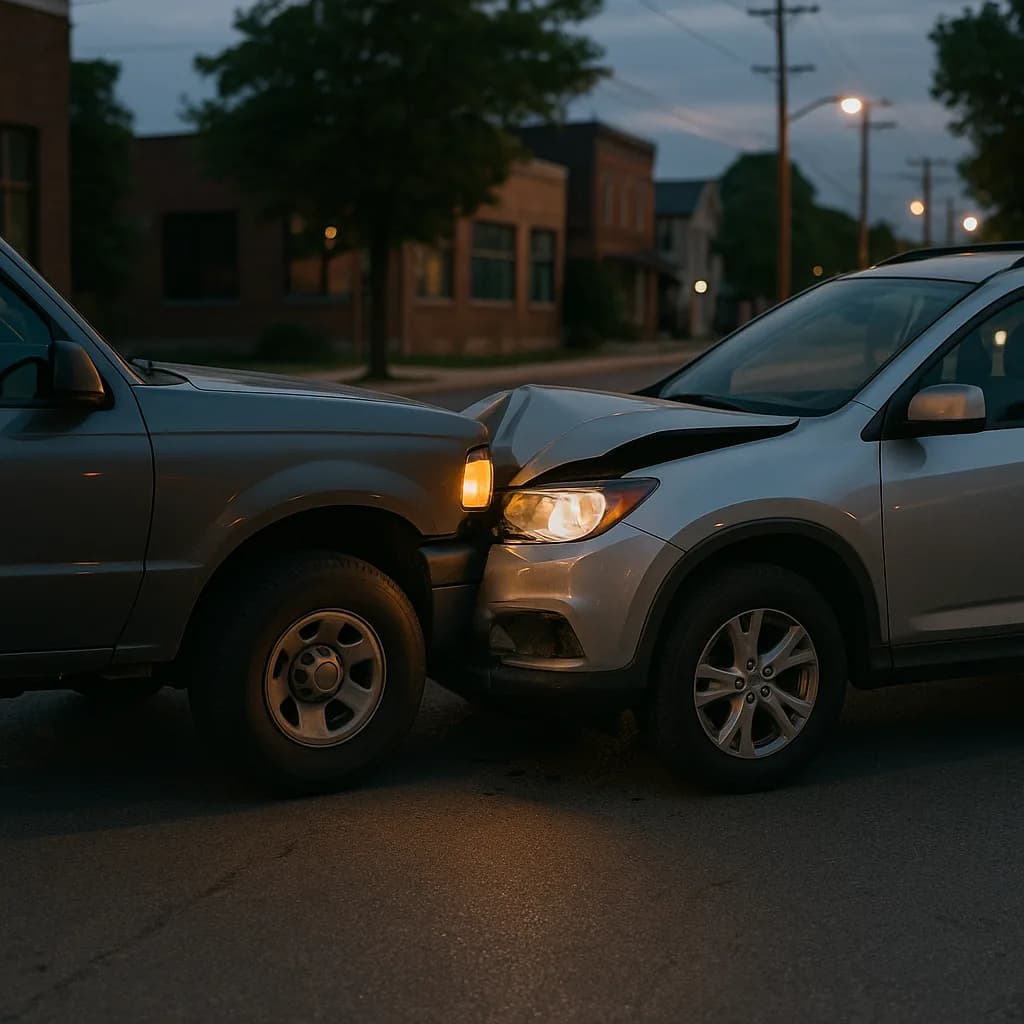
This creates immediate exposure for new drivers who assume their existing policy covers them. If you cause an accident while driving to pick up your first UberEats order — even with no food in the car yet — your insurer will investigate, discover you were logged into a commercial platform, and deny the claim entirely. You would be personally liable for all damages, medical bills, and legal costs. The denial doesn't just apply to collision damage to your own vehicle — it extends to liability coverage, which protects you when you injure someone else or damage their property.
Most gig platforms provide some insurance, but only during specific phases of a trip. For rideshare drivers, coverage typically activates in three periods: Period 1 (app on, waiting for a request), Period 2 (request accepted, driving to pickup), and Period 3 (passenger in vehicle). The platform's liability limits and your exposure vary dramatically across these periods. For delivery apps like DoorDash, Grubhub, and Instacart, coverage often only applies from the moment you pick up the food or package until you complete delivery — leaving you completely uninsured while driving to the restaurant or store.
What Rideshare Endorsements Actually Cover
A rideshare endorsement — sometimes called Transportation Network Company (TNC) coverage — fills the gap between your personal policy and the platform's insurance. It typically costs between $10 and $30 per month depending on your state, driving record, and base policy. The endorsement extends your personal liability and collision coverage to Period 1, when you're logged into the app but haven't accepted a trip yet. This is the phase where platform coverage is weakest — Uber and Lyft provide contingent liability coverage of $50,000 per person and $100,000 per accident during Period 1, but no collision or comprehensive coverage for your own vehicle.
Once you accept a trip and are driving to pick up a passenger (Period 2) or have the passenger in your car (Period 3), the platform's commercial policy takes over with $1 million in liability coverage plus collision and comprehensive with a deductible — typically $1,000 or $2,500. The rideshare endorsement from your personal insurer doesn't replace this coverage; it simply ensures you're not driving uninsured during Period 1 when most drivers spend significant time waiting for requests.
Not all insurers offer rideshare endorsements, and some that do won't sell them to drivers under 25. State Farm, Geico, Progressive, and Allstate offer TNC endorsements in most states, but acceptance depends on your age, driving record, and whether you're a named policyholder or listed on a parent's policy. If you're under 21 or still on a family policy, you may need to secure your own standalone policy with rideshare coverage before your first shift — a requirement many new drivers discover only after being denied a claim.
Compare car insurance for first-time drivers
Rates are high for new drivers — but the right carrier and discounts can make a real difference.
Get Your Free Quote✓ New Driver Specialists✓ No Obligation✓ Licensed Carriers✓ All 50 States
Delivery Apps Have Different Insurance Structures
Delivery platforms like DoorDash, Grubhub, UberEats, and Instacart provide occupational accident coverage and liability insurance, but the structure differs from rideshare. Most delivery apps provide liability coverage only while you have an order in progress — from pickup to delivery completion. DoorDash, for example, provides $1 million in liability coverage while you're en route to a restaurant, waiting for food, or delivering to a customer. But the moment you complete a delivery and are waiting for the next order, you're back on your personal policy — which, remember, excludes commercial use.
This means delivery drivers face constant coverage transitions. If you complete a DoorDash delivery at 6:42 PM and are driving home when another order pings at 6:44 PM, you're uninsured during those two minutes unless you have a rideshare or commercial endorsement. If you accept the new order and cause an accident while driving toward the restaurant, the platform's coverage applies. But if you're simply driving between zones hoping for orders without an active delivery, you're in a gray area that most personal policies exclude and most platform policies don't cover.
Some insurers now offer delivery endorsements separate from rideshare endorsements, recognizing that the risk profile differs. Progressive and State Farm both offer food delivery coverage in select states, typically priced lower than rideshare endorsements because delivery drivers don't transport passengers. Expect to pay between $8 and $20 per month. However, these endorsements are even less widely available than rideshare coverage, especially for drivers under 25, and many new gig drivers end up needing commercial auto policies instead.
When You Need a Commercial Policy Instead
If you drive for multiple platforms simultaneously, do delivery more than 20 hours per week, or cannot find a personal insurer that will add a rideshare or delivery endorsement, you'll need a commercial auto insurance policy. Commercial policies are designed for vehicles used primarily for business purposes and carry significantly higher premiums — typically $200 to $500 per month for drivers under 25, compared to $80 to $150 per month for a personal policy with a rideshare endorsement.
Commercial coverage eliminates all the phase-based gaps because it treats your vehicle as a business tool regardless of whether you're on a trip, waiting for one, or driving home. You maintain full liability, collision, and comprehensive coverage at all times. The downside is cost: commercial policies run two to four times higher than endorsed personal policies because insurers price them for constant commercial exposure rather than part-time hybrid use.
You're most likely to need commercial coverage if you drive for Amazon Flex, operate a vehicle you don't personally own, or use a vehicle with commercial plates or markings. Some gig platforms — particularly Amazon Flex and certain local courier services — explicitly require commercial policies rather than personal policies with endorsements. Check your platform's insurance requirements before your first shift, not after your first claim. If your platform requires commercial coverage and you carry only a rideshare endorsement, both your personal insurer and the platform may deny coverage, leaving you fully exposed.
How to Add Coverage Before Your First Shift
Contact your current insurer at least five business days before you plan to start gig driving. Ask specifically whether they offer rideshare or delivery endorsements in your state, whether they'll extend that coverage to drivers under 25, and what the monthly cost will be. If you're listed on a parent's policy rather than holding your own policy, ask whether the endorsement can be added to a listed driver or whether you'll need to secure a standalone policy first. Many insurers require you to be the named policyholder to add a TNC endorsement.
If your current insurer doesn't offer the coverage you need or won't extend it to your age group, get quotes from at least three carriers that explicitly advertise rideshare or gig economy coverage. Focus on Progressive, State Farm, Geico, Allstate, and USAA if you're eligible. When requesting quotes, disclose exactly which platforms you plan to drive for and approximately how many hours per week you expect to work. Understating your gig activity to get a lower rate creates the same coverage denial risk as not disclosing it at all.
Before your first shift, confirm your coverage is active and request a copy of your declarations page showing the rideshare or delivery endorsement. Take a screenshot of your policy documents and save them on your phone — if you're ever in an accident while driving for a platform, you'll need to provide proof of coverage to both the platform and the other driver. Most platforms also require you to upload proof of coverage before you can go online, and they verify coverage periodically. If your endorsement lapses or you switch insurers without updating your platform profile, you may be deactivated mid-shift and left uninsured if an accident occurs during that gap.
What Happens If You Skip the Endorsement
Driving for gig platforms without proper coverage creates three types of risk: claim denial, policy cancellation, and personal liability. If you cause an accident while logged into a gig app without a rideshare endorsement, your personal insurer will investigate, discover the commercial activity, and deny the claim. You'll be personally responsible for all damages — including the other driver's vehicle, their medical bills, and any lawsuits. Even a minor accident can result in $15,000 to $40,000 in liability exposure, and serious injury claims routinely exceed $100,000.
Beyond the immediate claim denial, your insurer may cancel your policy entirely for material misrepresentation — the insurance term for failing to disclose activity that changes your risk profile. A cancellation for misrepresentation stays on your insurance record and forces you into the non-standard or high-risk market, where premiums can double or triple. For drivers under 25 already facing high rates, a misrepresentation cancellation can push monthly premiums from $150 to $400 or more. Some insurers may refuse to cover you at all.
Even if you never file a claim, platforms now share data with insurers. If your insurer discovers you've been driving commercially without disclosure — through a data audit, a tip from the platform, or even social media — they can retroactively cancel your policy and deny any claims filed during the period you were driving without proper coverage. The cost of a rideshare endorsement is almost always less than one month's premium increase after a non-disclosure cancellation.