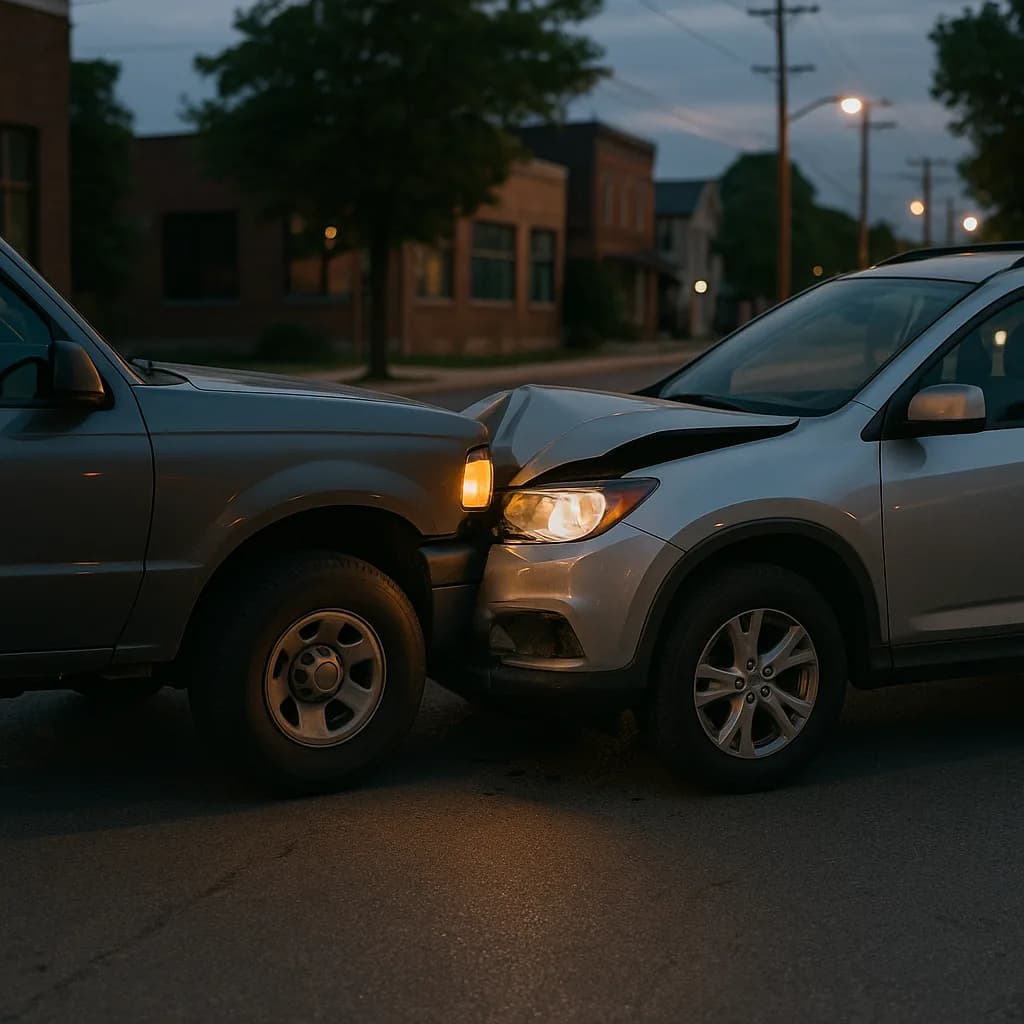
Most first-time buyers overspend on coverage they don't need yet or skip protection that matters immediately. Here's how to build the right policy from day one without paying for extras that make sense only after years of driving.
Start With Liability Limits That Match Your Actual Risk
Your state's minimum liability requirements are not the same as what you actually need. Every state requires liability insurance — coverage that pays for damage you cause to others — but state minimums were set decades ago and create massive gaps. California's minimum bodily injury limit is $15,000 per person, but the average injury claim after a two-car collision now runs $23,000 to $31,000 depending on medical costs in your area.
For first-time buyers, the correct liability structure is typically 100/300/100: $100,000 per person for injuries, $300,000 per accident, and $100,000 for property damage. This adds approximately $18 to $35 per month over state minimums for drivers under 25, but it's the only coverage that protects everything you'll earn over the next decade. If you cause a serious accident with minimum limits, the gap comes directly from your wages through garnishment.
Skip the temptation to buy state minimums and add expensive optional coverages later. Build your policy from liability up, not from comprehensive down. Most first-time buyers do this backward — they focus on collision and comprehensive because those coverages are easier to understand, then treat liability as a checkbox. That's the expensive mistake.
Collision and Comprehensive: Only If the Math Works
Collision coverage pays to repair your car after an accident you cause. Comprehensive coverage pays for damage from theft, weather, vandalism, or hitting an animal. Both are optional unless you have a car loan, and both come with a deductible — the amount you pay before insurance kicks in.
Here's the decision framework: if your car is worth less than $4,000, skip both. You'll pay $70 to $140 per month for collision and comprehensive as a first-time driver, and after paying your deductible (typically $500 to $1,000), the maximum payout on a totaled $3,500 car is $2,500 to $3,000. Over one year, you've paid more in premiums than you'd recover.
If your car is worth $8,000 or more, or if you're financing it, buy both coverages but set your deductible at $1,000. Choosing a $500 deductible saves you $500 once if you file a claim, but costs an extra $15 to $25 per month in higher premiums. You'll break even only if you file a claim within 20 to 33 months — and filing a claim raises your rates by 20% to 40% for the next three to five years. The $1,000 deductible is almost always the better long-term choice for first-time buyers.
Compare car insurance for first-time drivers
Rates are high for new drivers — but the right carrier and discounts can make a real difference.
Get Your Free Quote✓ New Driver Specialists✓ No Obligation✓ Licensed Carriers✓ All 50 States
Uninsured Motorist Coverage Fills the Gap Others Leave
Approximately 13% of drivers nationally have no insurance, and in some states that figure exceeds 20%. Uninsured motorist coverage pays for your injuries and vehicle damage when someone without insurance hits you. It's required in some states and optional in others, but it's one of the most undervalued coverages for first-time buyers.
This coverage costs $8 to $18 per month for drivers under 25 and protects you from the most common financial disaster new drivers face: being hit by someone with no coverage or state-minimum coverage that doesn't come close to covering your injuries. If you're hit by an uninsured driver and you don't have this coverage, your only option is to sue someone who likely has no assets to collect against.
Buy uninsured motorist coverage at the same limits as your liability coverage. If you're carrying 100/300/100 in liability, carry 100/300 in uninsured motorist. Some insurers offer underinsured motorist coverage as well, which pays when the at-fault driver's limits are too low. Add it if the cost is under $10 per month — it's worth it.
What First-Time Buyers Don't Need Yet
Rental car reimbursement sounds useful, but it costs $12 to $20 per month and pays only $30 to $50 per day for a maximum of 30 days. If you file a claim once every five years, you'll have paid $720 to $1,200 in premiums to receive $210 to $350 in rental coverage. Rent a car out-of-pocket when you need one — it's cheaper than pre-paying through insurance.
Roadside assistance through insurance costs $8 to $15 per month. A standalone AAA membership costs $50 to $80 per year and includes better towing limits and more service calls. Gap insurance is essential if you financed a new car with less than 20% down, but it's not useful if you bought a used car outright or financed less than the car's value. It covers the gap between what you owe and what the car is worth if it's totaled, but most first-time buyers don't have that gap.
Accident forgiveness is marketed heavily to new drivers, but it costs $10 to $18 per month and only prevents a rate increase after your first at-fault accident. As a first-time buyer, you'll pay $120 to $216 per year for protection you may never use, and if you do use it, you're still paying elevated new-driver rates. Skip it and focus on building a clean driving record instead.
How to Buy Your First Policy Without Overpaying
Get quotes from at least three insurers. Rates for first-time buyers vary wildly by company — the difference between the highest and lowest quote for the same coverage often exceeds $120 per month. Some insurers specialize in young drivers and offer better rates; others price you out intentionally.
Buy a six-month policy, not a 12-month policy. Your rate will likely drop after six months of clean driving history, and you want the flexibility to re-shop without breaking a contract. Ask about good student discounts (typically 5% to 15% off for a B average or higher), defensive driving course discounts (5% to 10%), and pay-in-full discounts (3% to 8%). These stack.
If you're quoted over $250 per month for liability insurance alone, you may need a non-standard insurer. Standard insurers price out high-risk profiles; non-standard insurers specialize in them and often offer lower rates for the same coverage. Don't assume the first quote you receive is the market rate — it's just one company's assessment of your risk.