Pennsylvania new drivers face rates 2–3× higher than experienced drivers—but the gap narrows faster than most states if you understand which rating factors you can control in your first three years.
Why Pennsylvania Rates Hit New Drivers Harder Than Most States
You just got your license or your first car, and the insurance quotes coming back are probably double or triple what your parents pay. Pennsylvania new drivers under 25 typically pay $220–$380 per month for full coverage, compared to $110–$150 for drivers over 30 with clean records. That's not price gouging—it's actuarial math based on crash rates in your first three years of independent driving.
Pennsylvania compounds the new driver penalty with a hybrid insurance system that requires both Personal Injury Protection (PIP)—a form of no-fault medical coverage—and traditional liability coverage. This dual structure means you're paying for injury protection twice in different forms, and carriers price both components higher for drivers without an established claims history. A 19-year-old driver in Philadelphia pays approximately 140% more than a 35-year-old for the same coverage limits, while the national average gap is closer to 110%.
The specific factors Pennsylvania insurers weigh most heavily for new drivers are: months of licensed driving history (not just age), ZIP code crash density, whether you completed an approved driver training course, and your credit-based insurance score if you're over 18. The last factor catches many first-time buyers off guard—carriers in Pennsylvania can use credit information to set rates, and new drivers often have thin or no credit files, which translates to higher premiums even with a clean driving record.
Pennsylvania's Required Coverage and What It Actually Costs
Pennsylvania requires you to choose between Full Tort or Limited Tort liability options, and this choice directly affects your premium. Full Tort costs approximately $15–$35 more per month but preserves your right to sue for pain and suffering after an accident. Limited Tort reduces your premium but restricts lawsuit rights to serious injury cases only. Most new drivers select Limited Tort to lower the monthly payment without understanding they're trading away legal options.
The state minimum coverage requirements are $15,000 per person and $30,000 per accident for bodily injury liability, $5,000 for property damage liability, and $5,000 in medical benefits (PIP). At these minimums, a new driver in Pennsylvania typically pays $140–$190 per month. That sounds manageable until you realize $15,000 doesn't cover serious injuries in most accidents—the average bodily injury claim in Pennsylvania exceeds $22,000, meaning you'd be personally liable for the difference.
Moving to more protective limits—$100,000/$300,000 bodily injury and $100,000 property damage—adds about $40–$60 per month for a new driver but eliminates the risk of personal financial exposure in a serious crash. If you're financing a vehicle, your lender will also require collision coverage and comprehensive coverage, which together add another $90–$140 monthly depending on your car's value and your deductible choice.
Compare car insurance for first-time drivers
Rates are high for new drivers — but the right carrier and discounts can make a real difference.
Get Your Free Quote✓ New Driver Specialists✓ No Obligation✓ Licensed Carriers✓ All 50 States
The Three Decisions That Control Your Rate More Than Others
Your deductible choice has more monthly impact than most coverage limit adjustments. Selecting a $1,000 deductible instead of $500 typically saves a new Pennsylvania driver $25–$45 per month on collision and comprehensive combined. The math works if you can afford to pay $1,000 out of pocket after an accident—if that amount would create financial hardship, the $500 deductible is worth the higher monthly cost.
Adding a parent or experienced driver as a named insured on your policy—if they'll actually use the vehicle occasionally—can reduce your premium by 8–15%. This isn't fraud if the arrangement is legitimate; carriers price the policy based on all listed drivers' combined risk profiles. The savings decline as you accumulate your own clean driving months, but in year one it's often the single biggest discount available to a new driver living with family.
Your vehicle choice determines whether you'll pay $180 or $320 monthly for the same coverage limits. A 2015 Honda Civic costs a new Pennsylvania driver approximately $195/month for full coverage with $500 deductibles, while a 2015 Dodge Charger runs about $285/month. The difference isn't just vehicle value—it's theft rates, repair costs, and the historical crash frequency of drivers who choose each model. Carriers have decades of data showing which cars young drivers crash more often, and they price accordingly.
How Quickly Rates Drop and What Triggers the Decrease
Pennsylvania insurers recalculate new driver rates at specific experience milestones, not continuously. The first meaningful drop typically occurs at 12 months of continuous coverage with no claims or violations, reducing premiums by approximately 10–18%. The second significant decrease happens at 36 months (three years licensed), when many carriers reclassify you from "new driver" to standard risk, cutting rates another 15–25%.
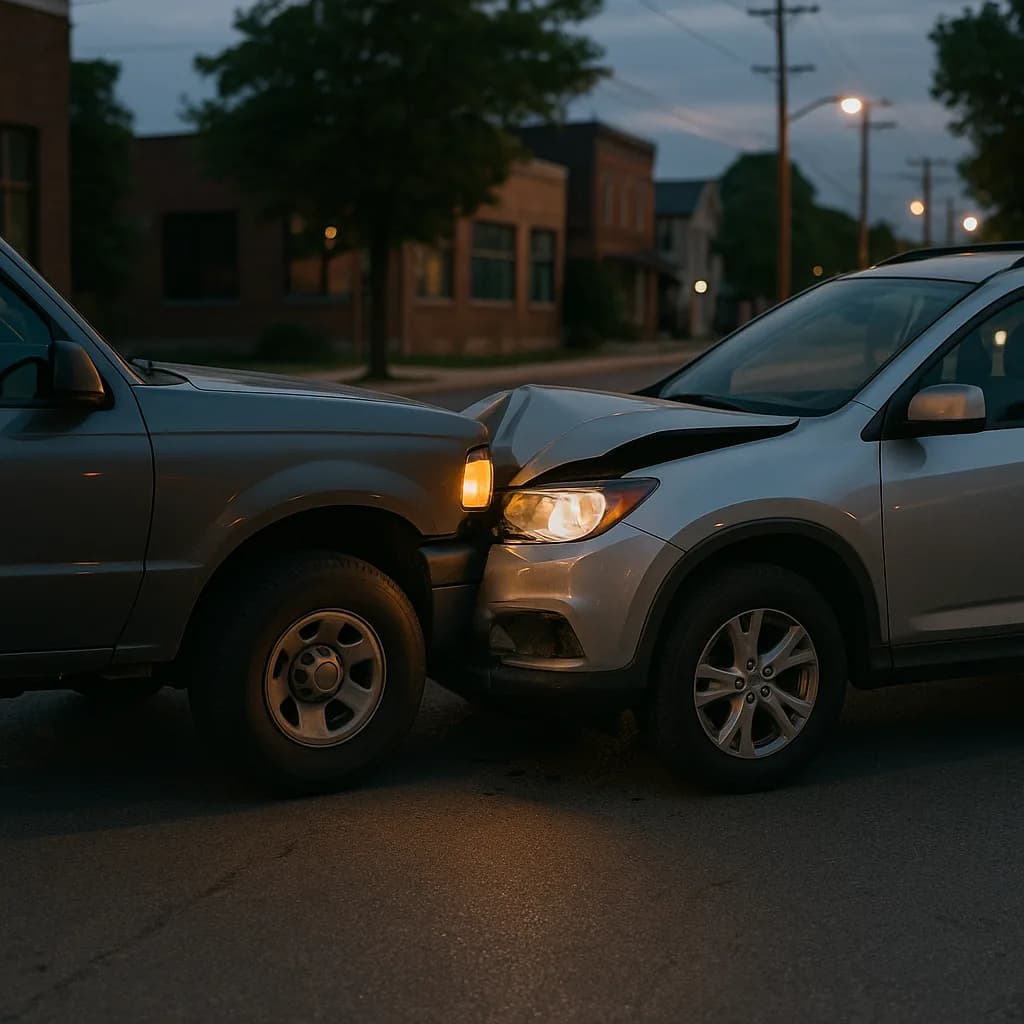
Turning 25 produces a smaller discount than most new drivers expect—usually 5–12%—because you've likely already earned the experience-based reductions by that age. The bigger rate improvement comes from maintaining a clean record through your early driving years. A single at-fault accident in your first three years can increase your premium by 35–60% and delay your progression to standard rates by 12–24 months.
Completing an approved defensive driving course can trigger an immediate discount of 5–10% with most Pennsylvania carriers, and the certificate remains valid for three years. The course costs $25–$95 depending on provider, so it pays for itself within 2–4 months of premium savings. Some insurers also offer telematics programs that monitor your driving habits through a phone app—these can reduce rates by 10–30% if you consistently demonstrate safe behaviors like smooth braking and limited night driving, but they increase rates or provide no discount if your driving patterns show high-risk behaviors.
Common Coverage Mistakes New Pennsylvania Drivers Make
The most expensive mistake is buying state minimum liability limits to get the lowest monthly payment. You're not just underinsured in a serious accident—you're creating personal financial liability that can follow you for years. Pennsylvania allows injured parties to pursue your assets and future wages if your insurance doesn't cover their damages. A $50,000 medical bill from an accident where you carried only $15,000 in coverage leaves you personally responsible for $35,000, which carriers can collect through wage garnishment.
Dropping comprehensive coverage to save $35–$50 monthly makes sense on a vehicle worth under $3,000, but new drivers often make this choice on financed cars worth $12,000–$18,000. Your lender requires comp and collision until the loan is paid off, and driving without required coverage violates your finance agreement, potentially triggering repossession or forced-place insurance that costs significantly more than a standard policy.
Another common gap: not understanding that Pennsylvania's PIP medical coverage applies only to you and your passengers, not to people you injure in another vehicle. New drivers sometimes assume the required medical benefits satisfy their liability exposure, but PIP and bodily injury liability serve completely different functions. If you cause an accident that injures someone else, your bodily injury liability coverage pays their medical bills—PIP only covers your own medical costs regardless of who caused the crash.
Getting Your First Pennsylvania Policy Set Up Correctly
Pennsylvania insurers can legally deny coverage or charge significantly higher rates based on your credit-based insurance score, prior insurance history, and claims record. If you're coming off a parent's policy, ask for a letter of prior insurance—it proves you weren't uninsured, which would otherwise trigger a surcharge. If you've never been insured before, some carriers classify you the same as a driver with a coverage gap, adding 15–40% to your premium.
You'll need your driver's license number, vehicle identification number (VIN), and current odometer reading to get an accurate quote. Estimates based on incomplete information often come back 20–35% higher once the carrier runs your actual motor vehicle report and verifies your vehicle details. If you have any violations or accidents in the past three years—even minor ones—disclose them upfront. Carriers will discover them when they pull your record, and undisclosed violations can void your coverage or trigger policy cancellation.
Pennsylvania requires proof of insurance before you can register a vehicle. The insurer provides an insurance identification card immediately after you bind coverage, but the policy doesn't actually start until your selected effective date and first payment clears. Allow 3–5 business days between purchasing coverage and needing to drive legally. If you're buying or transferring a vehicle, coordinate the insurance effective date to match your registration appointment—driving even one day without active coverage can result in license suspension and reinstatement fees exceeding $500.