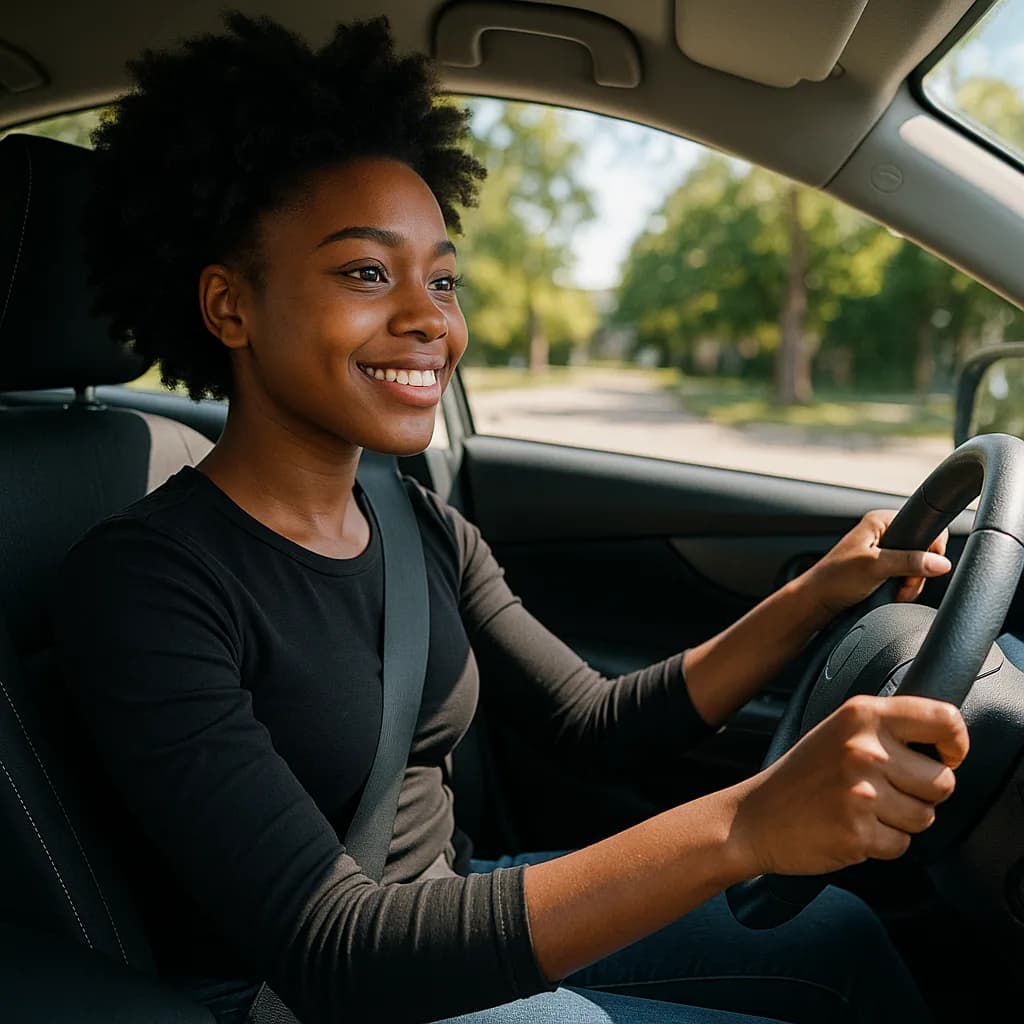
Illinois new drivers pay $200–$350/mo on average, but your actual rate depends more on how you structure your first policy than your age alone. Here's how to build coverage that satisfies state law without overpaying.
What New Drivers Actually Pay in Illinois
A 16-year-old driver in Illinois added to a parent's policy pays approximately $200–$280 per month for full coverage. That same driver purchasing their own standalone policy typically pays $280–$350 per month. The difference comes from losing the multi-car and tenure discounts parents carry.
If you're 18–24 buying your first policy, expect $180–$260/mo for full coverage on a financed vehicle, or $90–$140/mo if you own an older car outright and choose liability-only coverage. These ranges assume a clean driving record — no accidents, no tickets, no gaps in coverage history.
Rates drop significantly at age 25. The same driver paying $220/mo at age 23 will likely see that fall to $140–$160/mo at 25 with no other changes. Illinois insurers treat 25 as the statistical threshold where accident risk drops enough to justify lower premiums.
Illinois Minimum Coverage Requirements vs. What You Actually Need
Illinois law requires $25,000 per person / $50,000 per accident in bodily injury liability, plus $20,000 in property damage liability. This is expressed as 25/50/20 in insurance shorthand. You must also carry uninsured motorist coverage at the same 25/50 limits unless you reject it in writing.
Those minimums satisfy the legal requirement but create serious financial exposure. If you cause an accident that injures someone seriously, medical bills routinely exceed $25,000 in the first week. You're personally liable for everything above your coverage limit — meaning wage garnishment, asset seizure, and years of debt.
Most first-time buyers should start at 100/300/100 limits if they have any assets to protect or earn more than minimum wage. The difference in premium between state minimum 25/50/20 and recommended 100/300/100 is typically $30–$50 per month — far less than the financial risk you're transferring. If you're on a parent's policy, they likely already carry these higher limits.
Compare car insurance for first-time drivers
Rates are high for new drivers — but the right carrier and discounts can make a real difference.
Get Your Free Quote✓ New Driver Specialists✓ No Obligation✓ Licensed Carriers✓ All 50 States
The Coverage Sequencing Mistake That Costs New Drivers Twice
Here's the pattern that wastes money: you buy your first car with cash, choose liability-only coverage to keep premiums low, then six months later decide to finance a newer vehicle. The lender requires collision and comprehensive coverage, so you add it mid-term. You've now paid two policy fees, possibly two down payments, and lost any new-customer discounts that were available.
The smarter sequence: if you plan to finance a vehicle within 12 months, start with full coverage immediately even on your current car. Yes, premiums run higher initially, but you're building a coverage history that earns tenure discounts, and when you switch vehicles mid-term, you're just swapping the VIN — not restructuring the entire policy. Most carriers charge $0–$25 for a vehicle swap versus $50–$100 to add coverage types mid-term.
Collision coverage pays to repair your car after an accident regardless of fault. Comprehensive coverage pays for theft, vandalism, weather damage, and animal strikes. Deductibles typically range from $250 to $1,000 — the amount you pay before insurance kicks in. A $500 deductible is standard for new drivers balancing premium cost against out-of-pocket risk.
How Illinois Calculates Your Rate as a New Driver
Illinois insurers use your ZIP code, age, gender, credit-based insurance score, vehicle make/model, annual mileage, and coverage selections to calculate premiums. They cannot use education level or occupation, but they can use whether you're a full-time student — which often qualifies you for a good student discount if you maintain a B average or higher.
Your credit-based insurance score typically accounts for 20–30% of your rate. This is not your FICO credit score but a separate metric insurers build from your credit report. It correlates statistically with claim frequency. If you have no credit history as an 18-year-old, you won't be penalized as harshly as someone with poor credit, but you also won't get the discount someone with excellent credit receives.
ZIP code matters more in Illinois than most states. A new driver in Chicago's Loop (60601) may pay 40–60% more than someone in Carbondale (62901) for identical coverage due to accident frequency, theft rates, and repair costs. Even within Cook County, moving from Naperville to Cicero can shift your premium 20% in either direction.
Discounts That Actually Apply to First-Time Buyers
Good student discounts save 10–25% if you're under 25 and maintain a B average or 3.0 GPA. You'll need to submit a transcript or report card every six months to a year. Defensive driving course discounts save 5–15% and usually require a state-approved course — the online options count in Illinois if they carry DMV approval.
Telematics programs track your driving via smartphone app or plug-in device and offer discounts up to 30% based on smooth braking, limited night driving, and low mileage. These work well for new drivers who genuinely drive carefully but lack the tenure history to prove it. The discount starts small (5–10%) and grows over 6–12 months as you build a safe driving record in the system.
Paying your premium in full rather than monthly saves 5–10% by eliminating installment fees. Bundling with renters insurance — even a basic $10/mo policy — often triggers a multi-policy discount of 10–15%. If you're on a parent's policy, you're already benefiting from their multi-car discount, which is usually 15–25% per vehicle.
When to Stay on a Parent's Policy vs. Buy Your Own
Stay on a parent's policy if you live at the same address at least six months per year, drive a car they own or co-own, or are under 21 and still financially dependent. You'll benefit from their tenure discounts, multi-car discounts, and claims-free history. The added cost to their premium is almost always less than what you'd pay for a standalone policy.
Buy your own policy when you move out permanently, buy a car titled solely in your name, or when adding you to their policy would cause their rate to exceed what you'd both pay separately. This usually happens if you've had an at-fault accident or ticket — your surcharge can raise their entire household premium 30–50%, sometimes making two separate policies cheaper.
If you're away at college more than 100 miles from home and don't take the family car, ask about a student-away-at-school discount. This can cut your portion of the premium 20–40% since the vehicle you're listed on stays parked most of the year. You'll still maintain continuous coverage, which prevents the gap penalty most insurers charge when you come back and need to drive regularly.
What Happens After Your First Accident or Ticket
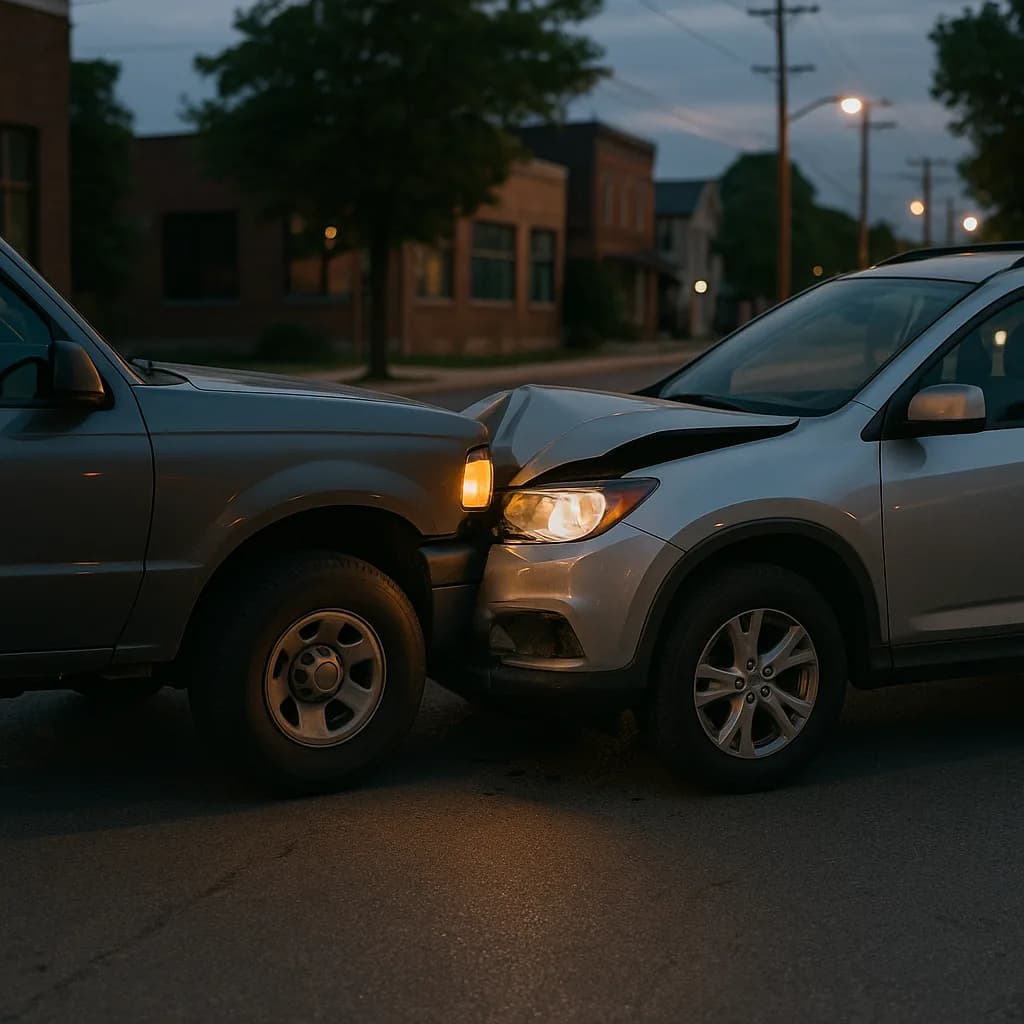
An at-fault accident in Illinois typically raises your premium 30–50% at renewal, with the surcharge lasting three years. A speeding ticket 15+ mph over the limit raises rates 15–25% for three years. The increase is percentage-based, so a new driver already paying $250/mo could see that jump to $325–$375/mo after one accident.
Accident forgiveness — a feature that waives the surcharge for your first at-fault accident — is rarely available to drivers under 25 or anyone in their first three years of coverage. You can't buy your way into it early. The standard path is to maintain a clean record for 3–5 years, then switch to a carrier offering forgiveness as a loyalty feature.
If you receive a ticket, ask about traffic school dismissal. Illinois allows drivers to attend traffic school once every 12 months to keep a minor violation off their record. The court must approve it, and you'll pay a fee plus course cost, but keeping the ticket off your record prevents the insurance surcharge entirely. This option isn't available for serious violations like DUI, reckless driving, or leaving the scene of an accident.