California new drivers face the highest first-year insurance costs in the U.S., but most choose coverage based on monthly price instead of actual exposure to claims—here's how to build a policy that balances legal compliance with realistic budget planning.
Why California New Driver Rates Start Higher Than Any Other State
California new drivers under 25 pay an average of $320–$480 per month for full coverage insurance, approximately 85–110% higher than experienced drivers in the same ZIP code. This isn't arbitrary pricing—it reflects three compounding factors unique to California's insurance market and new driver risk profile.
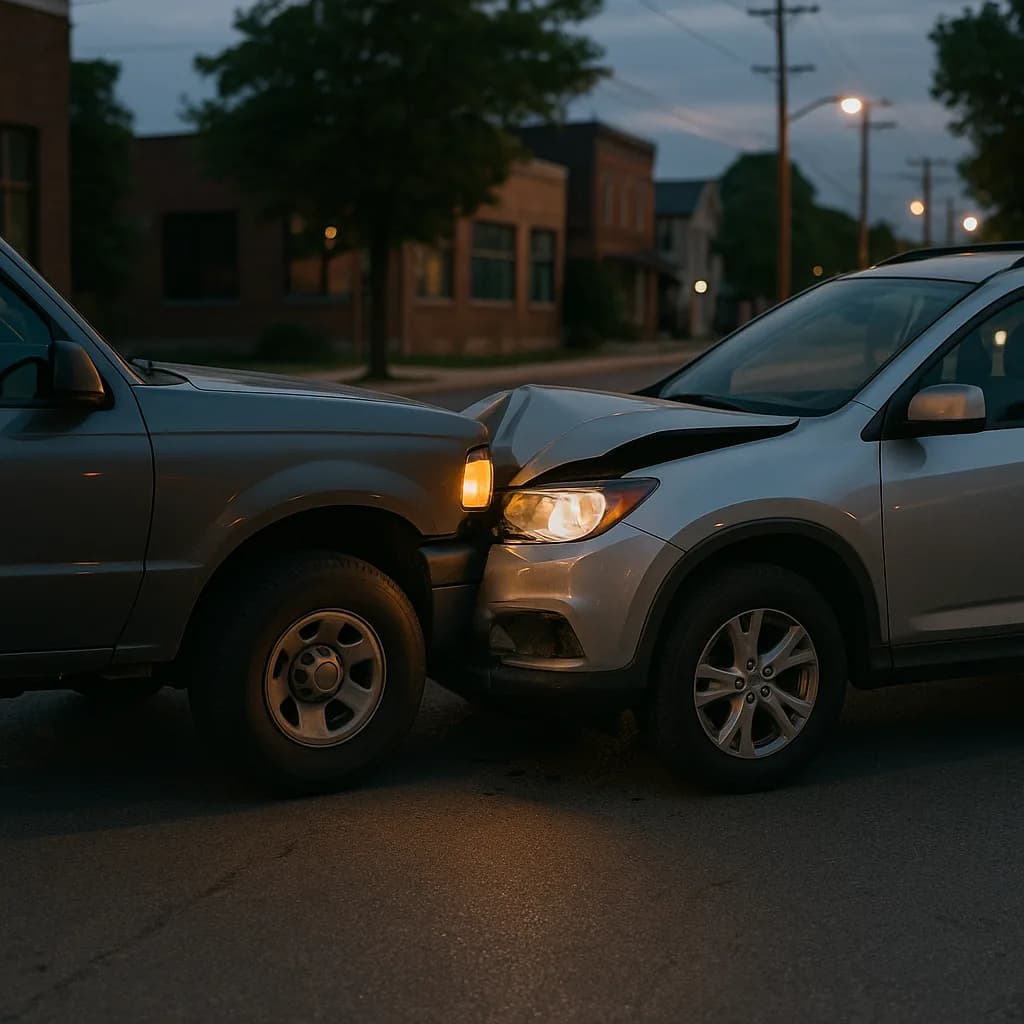
First, California requires minimum liability coverage of 15/30/5, meaning $15,000 per person for bodily injury, $30,000 per accident, and $5,000 for property damage. While these are the legal minimums, carriers price policies knowing that new drivers statistically file claims at 2.3 times the rate of drivers with five or more years of experience. A single at-fault accident in your first year can trigger a rate increase of 40–60% at your next renewal, which is why understanding your actual exposure matters more than finding the cheapest monthly payment.
Second, California uses a pure premium pricing model that prohibits using credit score as a rating factor but allows heavy weighting of driving experience, location, and vehicle type. For a 19-year-old driver in Los Angeles with a 2015 Honda Civic, this translates to base rates that assume higher loss costs from the moment coverage begins. Carriers calculate that new drivers will cost them $1,800–$2,400 in claims over the first policy year, and premiums reflect that expected payout even if you never file a claim.
California's Mandatory Coverage Requirements and What They Actually Cost
California law requires all drivers to carry liability insurance meeting the 15/30/5 minimums before registering a vehicle or renewing registration. For a new driver, minimum liability-only coverage typically costs $140–$220 per month depending on county and vehicle type. That's the legal floor—you cannot drive legally in California for less.
But minimum coverage creates a dangerous gap for new drivers. If you cause an accident that injures someone seriously, medical bills can easily exceed $15,000 per person. The difference comes out of your personal assets, which most first-time drivers don't have, or triggers a judgment that follows you for years. Upgrading to 100/300/100 liability limits adds approximately $40–$70 per month but covers you for accidents that would otherwise result in a lawsuit or wage garnishment.
Adding collision coverage and comprehensive coverage—what most people call full coverage—raises the monthly cost to that $320–$480 range. Collision pays for damage to your car after an at-fault accident; comprehensive covers theft, vandalism, and weather damage. If you're financing or leasing your vehicle, your lender will require both. If you own the car outright and it's worth less than $5,000, paying for full coverage often doesn't make financial sense because the maximum payout won't exceed the car's value minus your deductible.
Compare car insurance for first-time drivers
Rates are high for new drivers — but the right carrier and discounts can make a real difference.
Get Your Free Quote✓ New Driver Specialists✓ No Obligation✓ Licensed Carriers✓ All 50 States
How Deductible Choice Changes Your First-Year Cost Structure
Your deductible is the amount you pay out of pocket before insurance covers the rest of a claim. New drivers typically choose between $500, $1,000, or $2,000 deductibles based solely on which produces the lowest monthly premium. That's backward math for most first-time drivers.
A $500 deductible on collision and comprehensive coverage costs approximately $50–$80 more per month than a $1,000 deductible on the same policy. Over 12 months, that's $600–$960 in additional premium. If you don't file a claim, you've spent that money to avoid a $500 out-of-pocket expense that never happened. If you do file one claim, you've paid $600–$960 to save $500—a net loss.
The break-even point matters more than the monthly savings. For a new driver statistically likely to file a claim in the first two years, a $1,000 deductible makes sense if you have $1,000 accessible in savings or on a credit card. If you don't, a single fender-bender becomes a financial crisis even with insurance. The right deductible matches your actual liquidity, not the premium chart. Most first-time drivers should choose the highest deductible they could pay within 48 hours without borrowing, then set that amount aside in a separate account they don't touch.
First-Year Discounts That Actually Reduce Your Premium
California carriers offer dozens of discounts, but only a handful materially reduce first-year premiums for new drivers. The most accessible is the good student discount, which typically reduces rates by 10–15% if you're under 25 and maintain a B average or 3.0 GPA. This requires submitting a transcript or report card at application and renewal, and the discount disappears the month you graduate or turn 25.
Completing a California DMV-approved driver training course can reduce your premium by 5–10% for three years after licensure. The course must include both classroom and behind-the-wheel instruction—online-only courses don't qualify for the insurance discount, though they may satisfy license requirements. The discount applies automatically when you provide your certificate of completion to your insurer, but it's not retroactive, so submit it before your policy starts.
Telematics programs like snapshot or safe driver tracking apps can reduce premiums by 5–30% based on actual driving behavior, but the data collection period typically lasts 90 days and the discount doesn't appear until your first renewal. For new drivers, these programs are high-risk: hard braking, rapid acceleration, and late-night driving all increase your rate instead of decreasing it. If you commute during rush hour or drive frequently between 11 PM and 4 AM, telematics will likely cost you money.
When a Violation or Accident Requires Non-Standard Coverage
If you receive a DUI, reckless driving citation, or at-fault accident in your first year of driving, California law may require you to file an SR-22 certificate proving you carry continuous insurance coverage. An SR-22 isn't a type of insurance—it's a form your carrier files with the California DMV certifying that you have at least minimum liability coverage.
Carriers charge $15–$35 per month to process and maintain an SR-22 filing on top of your base premium, but the real cost is the underlying rate increase. A DUI typically increases your premium by 80–140% for three years, raising a $300/month policy to $540–$720/month. Some standard carriers will non-renew your policy entirely, forcing you into the non-standard or assigned risk market where premiums can exceed $800/month for minimum coverage.
If you need coverage after a serious violation, expect to pay non-standard rates for at least three years. The violation stays on your California driving record for three to ten years depending on type, but insurance surcharges typically drop after 36 months of continuous coverage without additional incidents. Shopping your policy after the surcharge period ends can reduce your rate by 40–60%, but switching carriers before then usually doesn't help—all carriers see the same driving record and price it similarly.
Building Your First California Policy Without Overpaying
Start with the coverage tier that matches your financial exposure, not the lowest monthly payment. If you're driving a financed 2022 vehicle worth $25,000, you need full coverage with collision and comprehensive regardless of premium cost—your lender requires it and driving without it violates your loan agreement. If you're driving a 2008 vehicle worth $3,500, paying $380/month for full coverage makes no sense because your maximum claim payout after a $1,000 deductible is $2,500.
For most new California drivers, the optimal first-year policy includes 100/300/100 liability coverage, uninsured motorist coverage matching your liability limits, and collision and comprehensive only if your vehicle is worth more than $8,000 or you're legally required to carry it. This structure typically costs $240–$360 per month for a driver under 25 in a major metro area, balancing legal compliance with realistic financial protection.
Once you've identified the coverage structure you need, compare quotes from at least three carriers. California rates vary by up to 60% between carriers for identical coverage on the same driver and vehicle. State Farm, Geico, and Progressive consistently offer competitive rates for new drivers, but regional carriers like Wawanesa and CSAA sometimes underprice the major nationals by 15–25%. Get quotes within the same 48-hour period—applications older than two days often require resubmission and rates can change between quote dates.