Tennessee first-time drivers pay $240–$380/mo on average, but choosing coverage based on state minimums alone leaves most underinsured after their first claim. Here's how to build a policy that actually covers what you'll owe.
Why Tennessee's Minimum Coverage Creates a Problem for New Drivers
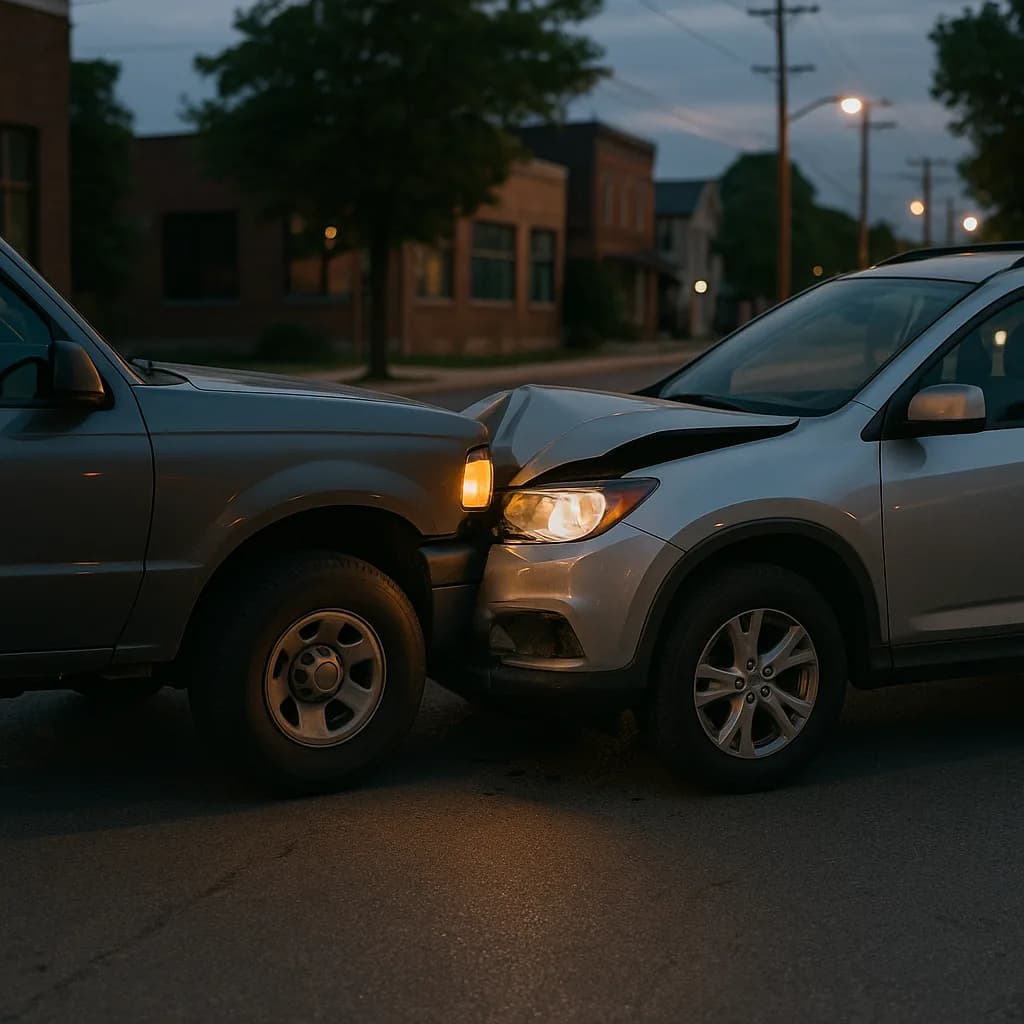
Tennessee requires 25/50/15 liability coverage — that's $25,000 per person for injuries, $50,000 per accident for injuries, and $15,000 for property damage. These numbers sound substantial until you price out what you'd actually owe after an at-fault crash. The average property damage claim in Tennessee runs approximately $32,000 when you hit a newer SUV or truck, which means the state minimum leaves you personally liable for $17,000 the moment your policy maxes out.
First-time drivers face a specific risk here because carriers often quote state minimums first to show the lowest possible monthly payment. A 19-year-old male driver in Nashville might see $210/mo for minimum coverage versus $340/mo for 100/300/100 limits. That $130 difference feels massive when you're also paying a car note and gas, but it's the difference between walking away from a crash with a claim filing versus walking away with a lawsuit and wage garnishment.
Tennessee is a fault state, which means the at-fault driver's insurance pays for damages. If your liability limits can't cover what you caused, the other driver can pursue you directly for the difference. For a first-time driver with limited assets, that typically means a judgment that follows you for years, affecting everything from apartment applications to future insurance eligibility. The state doesn't require you to carry enough coverage to protect yourself — only enough to provide minimal compensation to others.
What First-Time Drivers Actually Pay in Tennessee
A first-time driver in Tennessee with a clean record typically pays between $240 and $380 per month for full coverage, depending on age, location, and the vehicle being insured. Male drivers under 21 consistently hit the higher end of that range — a 19-year-old in Memphis insuring a 2020 Honda Civic can expect quotes around $365/mo, while a 24-year-old female driver in Knoxville insuring the same vehicle might see $255/mo.
The price gap exists because carriers price based on crash risk, and statistically, drivers in their first three years of licensure file claims at nearly double the rate of drivers with five-plus years of experience. Tennessee doesn't allow gender-based pricing discrimination for drivers over 25, but under that age, male drivers typically pay 15–25% more than female drivers with identical records and vehicles.
If you're adding yourself to a parent's policy rather than buying your own, expect to add $150–$220/mo to their bill. That's cheaper than a standalone policy because you benefit from the primary policyholder's tenure and often from multi-car discounts, but you're also limited to the coverage structure and carrier your parent already has. If they carry state minimums, you're stuck with state minimums unless they agree to upgrade the entire policy.
Compare car insurance for first-time drivers
Rates are high for new drivers — but the right carrier and discounts can make a real difference.
Get Your Free Quote✓ New Driver Specialists✓ No Obligation✓ Licensed Carriers✓ All 50 States
Coverage Decisions That Matter More Than Price
Your liability limits determine how much your insurer pays before you're personally on the hook, and this is the single most important coverage decision for a first-time driver. Raising property damage liability from $15,000 to $50,000 typically adds $25–$40/mo, but it covers you for the actual cost of totaling a mid-range vehicle instead of leaving you exposed to a $20,000+ shortfall.
Collision and comprehensive coverage are what most people mean when they say "full coverage" — collision pays to fix your car after a crash regardless of fault, while comprehensive covers theft, vandalism, weather damage, and hitting a deer. If you financed or leased your vehicle, your lender requires both. If you own your car outright and it's worth less than $5,000, many first-time drivers skip these to save $80–$120/mo, but that means paying out of pocket to replace your car after any at-fault crash or comprehensive loss.
Uninsured motorist coverage protects you when someone without insurance hits you. Tennessee doesn't require it, but approximately 20% of Tennessee drivers operate without valid coverage. Uninsured motorist bodily injury typically adds $15–$30/mo and covers your medical bills and lost wages when the at-fault driver can't. For first-time drivers who can't afford to miss work or pay emergency room bills out of pocket, this is one of the few optional coverages worth prioritizing over a lower monthly payment.
How Tennessee Handles First Violations and License Risk
Tennessee uses a point system that assigns 1–8 points per violation depending on severity. A first speeding ticket typically carries 3–5 points, while reckless driving adds 6 points. If you accumulate 12 points in 12 months, the state suspends your license — and as a first-time driver, you'll hit that threshold faster than experienced drivers because you don't have years of clean history to offset it.
A single speeding ticket raises your insurance premium by an average of 25–35% at your next renewal, which translates to an additional $60–$105/mo if you were previously paying $240/mo. That increase typically stays for three years, which is how long most carriers keep violations on your pricing profile. A reckless driving charge or DUI pushes you into high-risk status immediately, often doubling or tripling your premium and requiring an SR-22 certificate to maintain your license.
If your license does get suspended, you'll need to maintain continuous insurance coverage during the suspension period and file proof of financial responsibility with the state to get reinstated. Letting your policy lapse during suspension extends your reinstatement timeline and makes post-suspension coverage significantly more expensive because you'll be quoted as a lapsed driver on top of being a suspended driver.
Getting Quoted and Actually Buying Coverage
Tennessee requires proof of insurance before you can register a vehicle or renew your registration, so you need coverage in place before you can legally drive off the lot. Most carriers can bind coverage immediately online or over the phone once you provide your driver's license number, VIN, and payment method — the entire process typically takes 15–25 minutes if you have that information ready.
You'll be asked to choose a deductible for collision and comprehensive coverage, typically between $250 and $1,000. A higher deductible lowers your monthly payment but increases what you pay out of pocket after a claim. For a first-time driver, a $500 deductible is the most common choice — it keeps monthly costs reasonable without requiring you to come up with $1,000 in cash after an accident.
If you're quoted a rate that's unaffordable even at state minimums, ask specifically about usage-based discounts (where the carrier monitors your driving via an app and adjusts your rate based on actual behavior), good student discounts (typically 10–15% off if you maintain a 3.0 GPA), and defensive driving course discounts. These can reduce your rate by 15–25% combined, and most carriers apply them immediately rather than waiting for renewal.