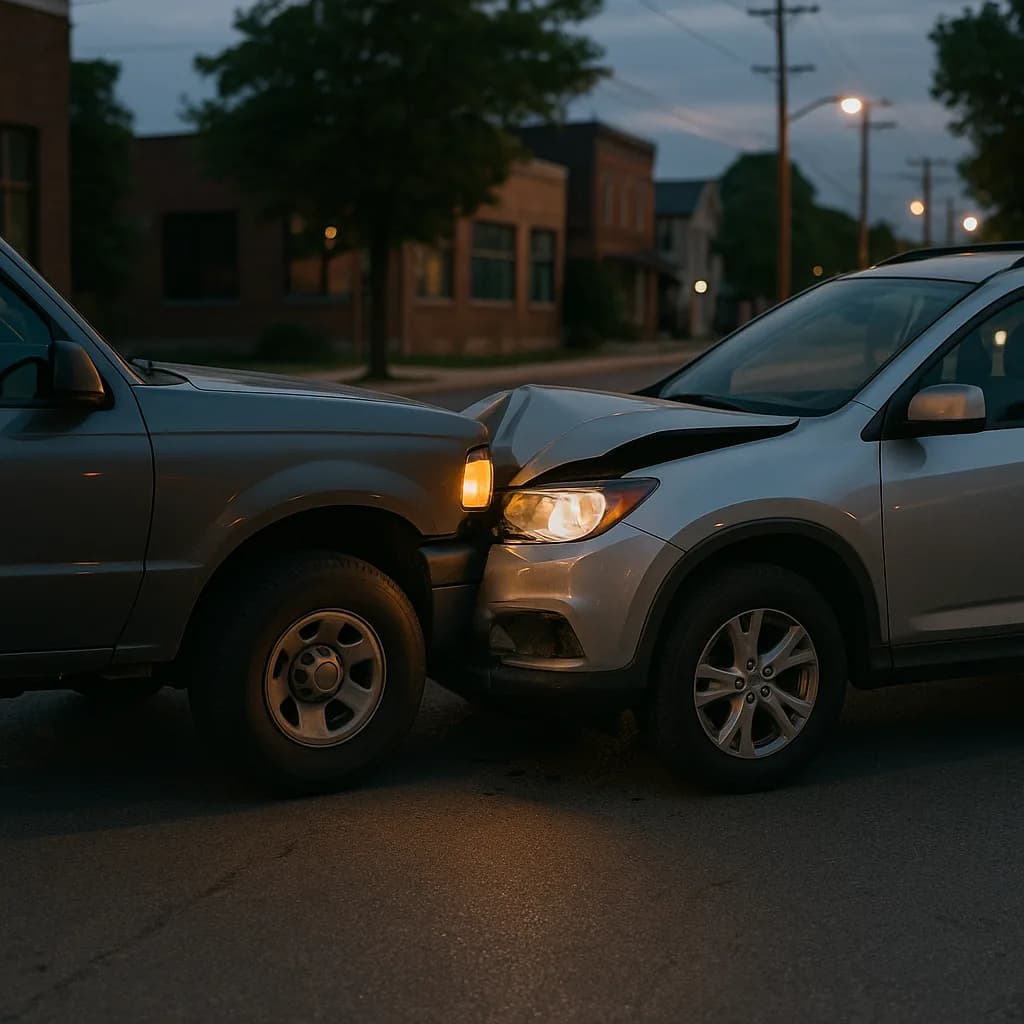
Ohio requires only $25,000 in bodily injury coverage per person, but that minimum leaves first-time drivers exposed to six-figure gaps. Here's what the law requires, what it costs, and why most new drivers need more than the state minimum.
Ohio's Minimum Insurance Requirements: The $25,000 Problem
Ohio law requires drivers to carry $25,000 per person and $50,000 per accident in bodily injury liability coverage, plus $25,000 in property damage liability. This is written as 25/50/25 and represents the legal floor to register a vehicle and drive legally in the state.
For first-time drivers, that $25,000 limit creates a dangerous gap. The average emergency room visit for a serious car accident injury costs between $40,000 and $70,000 before hospital admission, surgery, or rehabilitation. If you cause an accident that injures another driver and their medical bills reach $60,000, you're personally responsible for the $35,000 difference between your coverage limit and the actual cost.
Ohio doesn't require uninsured motorist coverage, medical payments coverage, or collision and comprehensive coverage. The state minimum protects others from your mistakes, but it doesn't protect you from uninsured drivers, your own medical bills, or damage to your vehicle. You're only legally required to carry liability insurance that covers harm you cause to others.
What Minimum Coverage Costs for First-Time Ohio Drivers
First-time drivers in Ohio typically pay between $185 and $340 per month for state minimum liability coverage, depending on age, location, and driving record. A 20-year-old male driver in Columbus with a clean record can expect to pay approximately $220/mo for 25/50/25 coverage, while an 18-year-old driver in Cleveland may see quotes closer to $310/mo for the same coverage.
The price difference stems from three factors: age-based risk calculations, local claim frequency, and underwriting tier. Drivers under 21 are statistically involved in accidents at nearly twice the rate of drivers 25 and older, which insurance companies price into premiums. Urban areas like Cleveland and Cincinnati generate higher claim volumes than suburban or rural counties, which raises base rates by 15–25% for the same coverage.
If you're a first-time driver over 25 — someone who never held a license before — expect to pay 10–20% less than a teenage driver for identical coverage. Insurance companies treat age as a stronger risk predictor than driving experience for pricing purposes. A 28-year-old with zero driving history typically pays $160–$240/mo for minimum coverage in Ohio.
Compare car insurance for first-time drivers
Rates are high for new drivers — but the right carrier and discounts can make a real difference.
Get Your Free Quote✓ New Driver Specialists✓ No Obligation✓ Licensed Carriers✓ All 50 States
What Recommended Coverage Costs and Why It Matters
Most insurance professionals recommend first-time drivers carry at least 100/300/100 coverage — $100,000 per person, $300,000 per accident in bodily injury liability, and $100,000 in property damage liability. This coverage level costs between $240 and $420 per month for drivers under 25 in Ohio, approximately 25–35% more than state minimum coverage.
That extra $50–$80 per month buys meaningful protection. A single accident involving two injured passengers and vehicle damage can easily generate $150,000 in combined claims. With minimum 25/50/25 coverage, you'd be personally liable for $75,000 or more. With 100/300/100 coverage, the insurance company covers the full amount up to the policy limits.
Adding uninsured motorist coverage costs an additional $15–$30/mo but protects you when the at-fault driver has no insurance or insufficient coverage. Approximately 12–14% of Ohio drivers operate without insurance despite the legal requirement. If an uninsured driver causes an accident that injures you, your own uninsured motorist coverage pays your medical bills and lost wages up to your policy limits.
Collision and comprehensive coverage — which pay to repair or replace your vehicle regardless of fault — add another $90–$180/mo for first-time drivers. If you financed your car or it's worth more than $5,000, the lender will require this coverage. If you own the car outright and it's worth less than $3,000, you may choose to skip collision and comprehensive and accept the risk of paying out-of-pocket for vehicle damage.
How to Get Your First Ohio Insurance Policy Fast
You need proof of insurance before the Ohio BMV will register your vehicle or issue license plates. The insurance card must show your name, the vehicle identification number, coverage amounts, and policy dates. Most insurers can issue a policy and email proof of insurance within 15–30 minutes of completing an online application.
Before you start shopping, gather your driver's license number, vehicle identification number (VIN), and the exact date you need coverage to begin. If you're financing the vehicle, ask your lender for their minimum coverage requirements in writing — most require collision and comprehensive with a $500 or $1,000 deductible. Missing this information delays the quote process and can force you to revise your policy after purchase, which triggers administrative fees.
Compare at least three quotes before buying. Premiums for identical coverage can vary by $80–$150 per month between carriers for first-time drivers. Apply to all three companies within a 72-hour window — most insurers consider multiple quotes within this period as a single insurance shopping event and won't penalize you for comparison shopping. If you buy a policy and find a better rate within 30 days, most Ohio insurers allow you to cancel with a prorated refund, though some charge a $25–$50 cancellation fee.
Why Your Rate Is Higher Than Your Parents' Rate
First-time drivers under 25 pay 60–140% more than drivers over 30 for identical coverage in Ohio. This isn't arbitrary pricing — it reflects claim data showing drivers in their first three years behind the wheel file claims at nearly double the rate of experienced drivers, and the average claim severity for young drivers runs 20–30% higher due to speed-related accidents and nighttime driving patterns.
Insurance companies calculate your premium using a predictive model that assigns points for dozens of risk factors: age, years licensed, credit score, ZIP code, vehicle make and model, annual mileage, and prior insurance history. A 19-year-old with six months of driving experience, no prior insurance, and a sports car will land in the highest-risk pricing tier. A 24-year-old with three years of clean driving history, continuous prior coverage, and a sedan will pay 40–50% less for the same policy limits.
Your rate will drop as you age and accumulate claim-free driving years. Most insurers reduce premiums by 10–15% at age 21, another 15–20% at age 25, and incrementally thereafter for each year without an at-fault accident or moving violation. If you maintain continuous coverage and a clean record, expect your premium to decrease by 30–40% between age 20 and age 26 even if your coverage levels and vehicle stay the same.
Getting Coverage Without a Perfect Driving Record
If you're a first-time driver with a recent ticket, at-fault accident, or SR-22 requirement, expect to pay 40–90% more than a clean-record driver for the same coverage. A single speeding ticket (15+ mph over the limit) typically adds $30–$60 per month to your premium. An at-fault accident adds $70–$140 per month. A DUI can double or triple your base premium and requires you to file an SR-22 certificate with the state for three to five years.
An SR-22 isn't insurance — it's a form your insurance company files with the Ohio Bureau of Motor Vehicles confirming you carry at least minimum liability coverage. The filing itself costs $15–$25, but the insurance premium increase from the underlying violation (DUI, driving without insurance, repeated license suspensions) is where the real cost appears. Most standard insurers won't write new policies for drivers who need SR-22 filings, so you'll need to work with a non-standard or high-risk carrier.
Non-standard insurance companies specialize in high-risk drivers and typically charge 50–120% more than standard carriers for comparable coverage. Shop these quotes carefully — price spread between high-risk insurers can exceed $100/mo for identical coverage. After maintaining clean driving and continuous coverage for 36 months, most high-risk drivers can move back to standard insurers and see their premiums drop by 30–50%.